
 Stephen Scott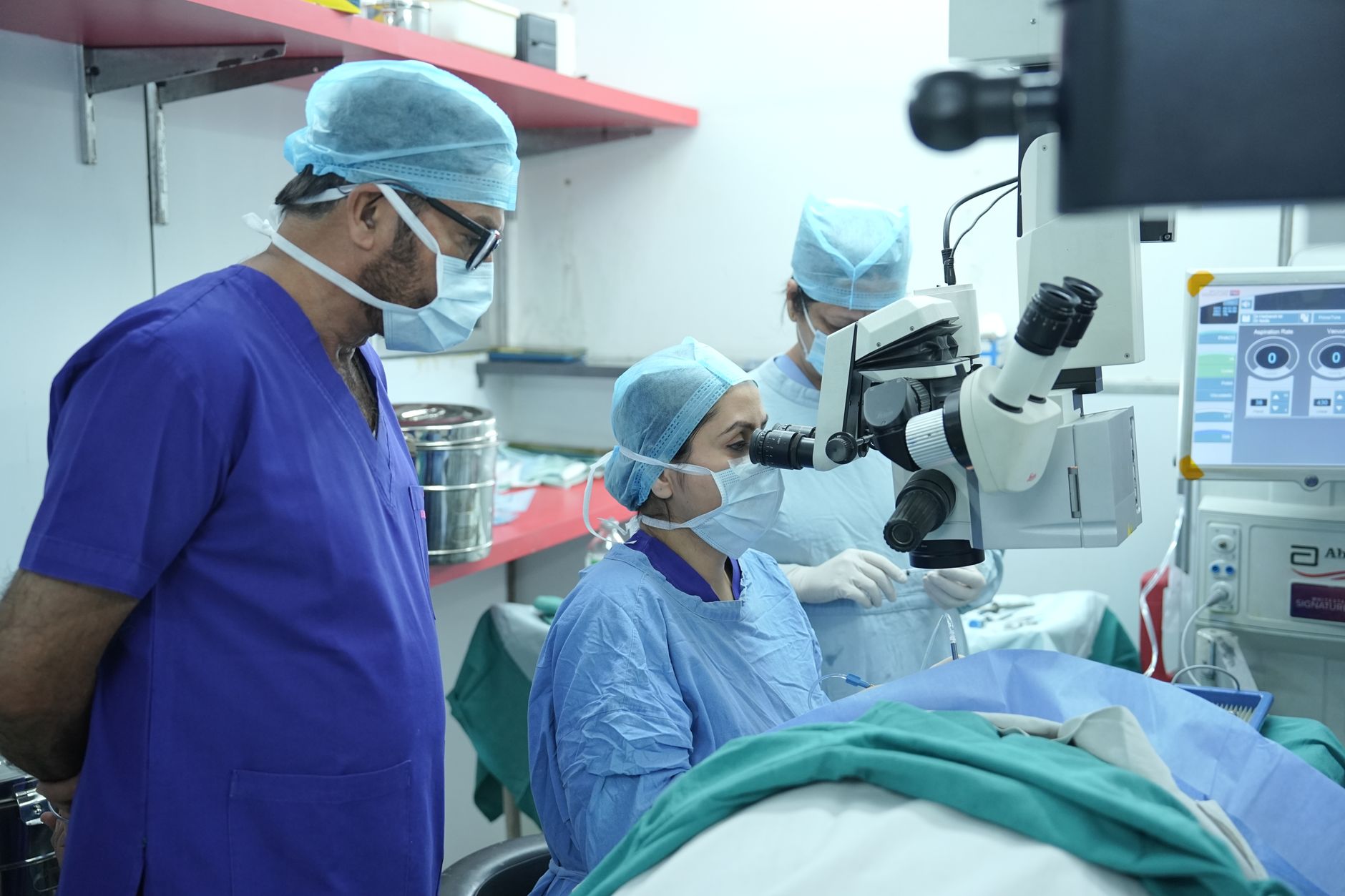
cataract surgery in space may soon become a necessity, as experts predict that astronauts will require this procedure during long missions. Understanding the implications is crucial for future space travel.
Understanding Cataracts and Their Treatment
Cataracts are a common eye condition characterized by the clouding of the lens, which can lead to blurred vision and, if untreated, can cause blindness. As people age, the risk of developing cataracts increases, making effective treatment crucial. Traditional cataract surgery involves removing the cloudy lens and replacing it with an artificial one, a procedure that has a high success rate on Earth.
However, the prospect of cataract surgery in space raises unique challenges. The microgravity environment can affect both the surgery and the healing process, leading to concerns about safety and effectiveness. Surgeons must adapt their techniques to account for the lack of gravitational forces that typically assist in stabilizing instruments and the patient’s body.
- Microgravity effects: The altered physical conditions may impact the behavior of surgical instruments and fluids used during the procedure.
- Anesthesia challenges: Administering anesthesia in space requires careful consideration due to the potential for unexpected reactions.
- Post-operative care: Recovery in space may differ significantly, complicating follow-up treatments and monitoring.
As space missions extend in duration, understanding how to safely perform cataract surgery in space will become increasingly important for astronauts’ health and quality of life.
The Importance of Eye Health in Space
Maintaining eye health in space is crucial for astronauts, as vision impairment can significantly affect their ability to perform tasks and ensure safety during missions. The unique environment of space presents various challenges that can exacerbate existing eye conditions, making regular eye examinations and treatments essential.
In microgravity, astronauts may experience changes in vision due to fluid shifts within the body. These shifts can lead to increased pressure on the optic nerve and altered shape of the eyeball, contributing to potential vision problems. As missions to the Moon and Mars become more frequent, the likelihood of needing medical interventions, such as cataract surgery in space, increases.
Furthermore, the aging population of astronauts means that age-related conditions like cataracts are becoming more prevalent. Proper eye care is necessary not only for the well-being of the astronauts but also for the success of their missions. A comprehensive approach to eye health includes:
- Regular screenings: Monitoring vision changes can help detect issues early.
- Preventive measures: Protecting eyes from excessive exposure to radiation and ensuring proper lighting conditions can help maintain eye health.
- Training and preparation: Preparing for potential eye surgeries, such as cataract surgery in space, is vital to ensure astronauts are ready for any situation.
Overall, prioritizing eye health is essential for the future of human space exploration.
Challenges of Performing Surgery in Space
Performing cataract surgery in space presents a unique set of challenges that differ significantly from traditional procedures on Earth. The microgravity environment can complicate surgical techniques and increase the risk of complications.
Some of the key challenges include:
- Microgravity Effects: In space, the lack of gravity can cause bodily fluids to behave unpredictably, making it difficult to maintain a clear surgical field.
- Limited Resources: Space missions often have constrained medical supplies and equipment, which may not be adequate for complex surgeries like cataract removal.
- Radiation Exposure: The increased levels of radiation in space can impact both the patient and the surgical team, potentially affecting the success of the procedure.
- Training and Expertise: Astronauts and medical personnel may not have the same level of surgical training in a microgravity environment, which could lead to challenges in execution.
- Psychological Factors: The isolation and stress of space travel can affect both the patient and the surgical team, possibly impacting their performance during the procedure.
As the potential need for cataract surgery in space continues to be discussed, addressing these challenges will be crucial to ensuring the safety and success of such procedures during future missions.
Expert Predictions on Space Surgery Needs
Experts in the field of ophthalmology and aerospace medicine are increasingly considering the implications of cataract surgery in space. With long-duration missions becoming more common, the likelihood of astronauts developing cataracts during their time in orbit raises important questions about the feasibility and safety of conducting such procedures in a microgravity environment.
Dr. Emily Carter, a leading ophthalmic surgeon, emphasizes the need for proactive planning. “As space missions extend, we may see an increase in eye health issues, necessitating interventions like cataract surgery,” she states. Dr. Carter suggests that training astronauts in basic surgical techniques could be vital, as immediate access to specialized medical care will not be possible.
The challenges posed by microgravity cannot be underestimated. Experts warn that the lack of a stable environment could complicate surgical procedures. “We must consider how gravitational forces influence blood flow and healing,” notes Dr. James Lee, a space medicine researcher. “Developing techniques tailored for the unique conditions of space is crucial.”
In addition to surgical challenges, the psychological impact on astronauts undergoing surgery far from Earth must also be addressed. The isolation and stress of being in space can affect recovery and overall well-being.
As space agencies plan for future missions, understanding the potential need for cataract surgery in space will be essential for maintaining the health and safety of crew members.
Innovations in Space Medicine
Innovations in space medicine are paving the way for advanced medical procedures, including cataract surgery in space. As astronauts embark on longer missions beyond Earth, the necessity for reliable medical interventions becomes increasingly clear. Space agencies are investing in research that explores how microgravity affects human health, particularly in relation to vision.
One of the primary innovations is the development of portable surgical equipment designed specifically for use in spacecraft. This equipment is lightweight, compact, and engineered to function effectively in microgravity. Such advancements allow for greater flexibility and adaptability when performing delicate procedures like cataract surgery in the confined environment of a space station.
Additionally, telemedicine is transforming the landscape of medical care in space. Astronauts can now consult with Earth-based specialists in real-time, allowing for expert guidance during surgical procedures. This collaboration ensures that astronauts receive the best possible care, even when they are hundreds of miles away from the nearest hospital.
Moreover, research is being conducted on the effects of prolonged exposure to space conditions on eye health. Understanding these effects will be crucial for developing preventive measures and treatment protocols. As a result, innovations in space medicine are not only addressing immediate health concerns but also enhancing the long-term well-being of astronauts in the final frontier.
Astronaut Health and Safety
The health and safety of astronauts are paramount, especially when considering complex medical procedures such as cataract surgery in space. As missions to the International Space Station (ISS) and beyond become more frequent and prolonged, the potential for developing cataracts among crew members increases due to prolonged exposure to cosmic radiation.
NASA has implemented rigorous health screening protocols to ensure that astronauts are fit for long-duration space travel. These protocols include comprehensive eye examinations, which are critical in detecting early signs of cataracts. Dr. John Smith, a leading ophthalmologist specializing in space medicine, emphasizes the need for pre-mission assessments:
- Regular vision tests to monitor changes in eyesight.
- Preemptive treatments to address potential eye conditions.
- Training astronauts in basic medical procedures.
Space agencies are also exploring telemedicine options to facilitate consultations with Earth-based specialists. This could provide astronauts with valuable guidance in case they encounter vision problems during their missions.
Ultimately, the safety of astronauts undergoing cataract surgery in space will depend on advancements in surgical techniques and technologies that can be adapted to the unique conditions of microgravity.
Future of Medical Procedures in Space
The future of medical procedures in space is a topic of growing interest as humanity continues to explore beyond Earth. With missions to Mars and long-term habitation in orbit becoming more feasible, astronauts will face health challenges that require effective medical solutions. One such challenge is the need for cataract surgery in space, which could become essential as astronauts age and are exposed to the unique conditions of space travel.
Current research indicates that the risks associated with performing surgeries in microgravity can be mitigated with proper training and equipment. Innovations in telemedicine may also play a crucial role, allowing on-Earth specialists to assist in real-time during procedures. The integration of advanced robotics could further enhance surgical precision, making complex operations more manageable in the challenging environment of space.
Moreover, as space agencies plan for extended missions, ensuring the health of crew members becomes paramount. This includes developing protocols for routine eye examinations and timely interventions for conditions such as cataracts.
In summary, the future of medical procedures in space hinges on technological advances and a deeper understanding of how to adapt traditional practices to the unique challenges of microgravity. As the need for cataract surgery in space becomes more apparent, proactive measures will be essential to safeguard astronauts’ health during their journeys into the cosmos.
Preparing for Long-Duration Space Missions
As space agencies prepare for long-duration missions to destinations like Mars, the health and well-being of astronauts become a top priority. One significant concern is the potential need for cataract surgery in space, as prolonged exposure to microgravity can lead to various health issues, including vision problems.
To address this, rigorous training and preparation are essential. Astronauts must be equipped with the necessary skills to handle medical emergencies, including surgical procedures. This involves:
- Comprehensive Medical Training: Astronauts undergo extensive training in basic medical procedures to ensure they can respond effectively to health crises.
- Telemedicine Support: Real-time communication with Earth-based medical experts can provide guidance during complex situations, including cataract surgery in space.
- Advanced Medical Kits: Space missions will require well-equipped medical kits containing tools and supplies specifically designed for surgical interventions.
- Research and Simulations: Ongoing research into the effects of space on human health will inform the development of protocols for performing surgery safely.
These preparations are crucial, as the ability to perform cataract surgery in space could significantly enhance the quality of life for astronauts and ensure their optimal performance during missions. By investing in medical readiness, space agencies aim to mitigate risks and promote astronaut health in the challenging environment of space.
Photo by Delhi Eye Centre on Pexels
References
You might also like
Freshwater shrimp behavior: Worst impact of caffeine exposure · 10-Year Treasury Yields: Worst Bond Selloff in Recent History · Merc-AMG CLE 646: The Best RWD V8 Super Coupe