 Stephen Scott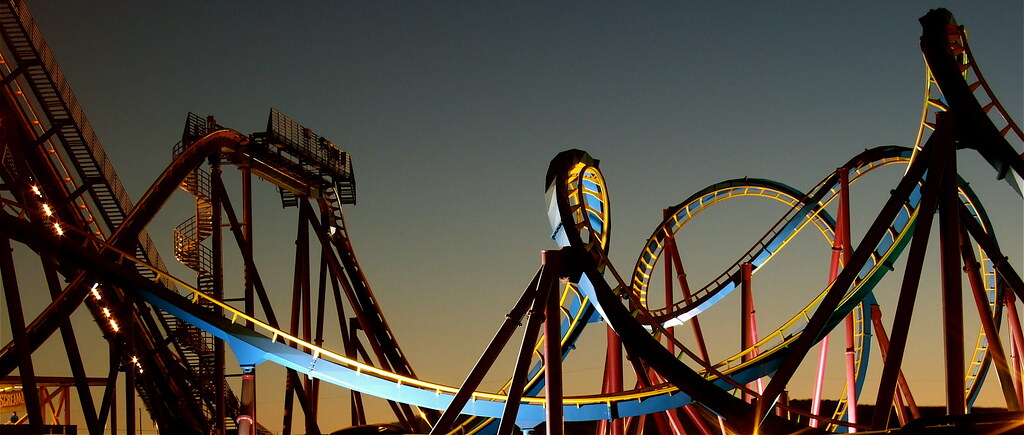
California Six Flags Roller Coaster has reached its end, raising concerns about safety and maintenance issues that plagued the ride.
Introduction to X2
In recent years, the California Six Flags roller coaster known as X2 has garnered significant attention, primarily due to its troubling safety record. This unique ride, which offers an exhilarating experience with its 360-degree spins and backward seating, has been a popular attraction for thrill-seekers. However, the increasing number of incidents and safety concerns have cast a shadow over its reputation.
Originally opened in 2002, X2 was heralded as a revolutionary addition to the amusement park, showcasing cutting-edge technology and design. Despite its innovative features, reports of accidents and mechanical failures have raised alarms among riders and safety experts alike. Many visitors have shared their harrowing experiences, leading to a growing unease regarding the coaster’s reliability.
Among the most alarming issues are:
- Instances of riders suffering from injuries due to abrupt stops and unexpected movements.
- Concerns about the structural integrity of the coaster following extensive wear and tear.
- Negative reviews highlighting the potentially dangerous nature of the ride.
As X2 faces scrutiny and potential closure, the California Six Flags roller coaster is a stark reminder of the balance between thrill and safety in the amusement industry.
History of California Six Flags
The history of California Six Flags is marked by both thrilling attractions and notable safety concerns, particularly surrounding the infamous X2 roller coaster. Opened in 2002, X2 was heralded as a groundbreaking ride, featuring innovative technology that allowed for 360-degree spins and a unique, backward-facing seating arrangement.
However, the excitement soon gave way to controversy as reports of accidents and injuries began to surface. Riders experienced a range of issues, from minor injuries to more serious incidents that raised alarm among safety advocates and park officials alike. As a result, the California Six Flags roller coaster drew scrutiny from both the media and regulatory agencies.
In 2007, the ride was temporarily closed after an incident that resulted in several injuries when a malfunction occurred during operation. This prompted an extensive investigation, leading to numerous safety enhancements. Despite these improvements, concerns persisted, and the ride faced additional closures over the years due to mechanical failures and maintenance issues.
The X2’s troubled history stands as a cautionary tale within the amusement park industry, highlighting the importance of rigorous safety standards. As the ride reached its end, many are left to ponder the lessons learned from the roller coaster’s turbulent journey at California Six Flags.
Safety Issues with Roller Coasters
Roller coasters are often synonymous with thrills and excitement, but safety concerns have plagued the California Six Flags Roller Coaster, specifically the X2. Over the years, numerous incidents have raised alarms about the structural integrity and operational safety of the ride.
One of the most alarming issues occurred when riders reported feeling unsafe due to abrupt stops and unexpected jerks during the ride. These incidents prompted investigations by safety regulators, revealing that:
- The ride’s design had inherent flaws that contributed to mechanical failures.
- Maintenance protocols were not consistently followed, leading to potential hazards.
- Several riders experienced injuries, ranging from minor bruises to more serious concerns requiring medical attention.
In addition to mechanical issues, some guests reported psychological impacts, with fear and anxiety affecting their enjoyment of the California Six Flags Roller Coaster. Experts suggest that these psychological effects can be just as serious as physical injuries, impacting riders long after they leave the park.
Despite the thrill that X2 provides, the combination of these safety issues has led to calls for more stringent regulations and oversight in the amusement park industry. As the debate continues, the future of the California Six Flags Roller Coaster remains uncertain.
The End of X2
The California Six Flags roller coaster, known as X2, has officially reached the end of its tumultuous journey. This once-iconic ride, celebrated for its innovative design and thrilling experience, has faced numerous safety concerns over the years. Reports of mechanical failures and rider injuries have raised alarm among enthusiasts and safety advocates alike.
As the ride prepares to close its doors permanently, many are reflecting on its legacy. X2 was not merely a roller coaster; it represented a leap in amusement park technology. However, the advancements came at a cost. Riders often spoke of the disorienting experience, which some claimed led to increased risk factors.
In light of these developments, the decision to dismantle X2 has sparked conversations regarding the future of thrill rides at California Six Flags. The park has emphasized its commitment to ensuring the safety of its guests, yet the closure of X2 illustrates the ongoing challenges faced by amusement parks in balancing excitement with safety.
- Key concerns:
- Mechanical issues leading to sudden stops
- Reports of injuries among riders
- Negative feedback on ride safety protocols
As the California Six Flags roller coaster chapter closes with X2, the park must now look towards innovating safer attractions for future generations of thrill-seekers.
Public Reaction to the Closure
The recent closure of the California Six Flags Roller Coaster, X2, has sparked a wide range of reactions from the public. Many thrill-seekers expressed disappointment as they shared their favorite memories of riding the coaster, which was known for its unique design and thrilling experience.
Social media platforms were flooded with comments highlighting the emotional connection visitors had with X2. Some users reminisced about their first ride, while others shared videos and photos capturing the exhilarating moments.
However, not all responses were nostalgic. A significant portion of the community voiced their concerns over safety, emphasizing the need for stringent measures to protect riders. Many argued that the closure was a necessary step to ensure the well-being of future guests. The ongoing safety issues associated with the California Six Flags Roller Coaster have raised alarms, with some calling for a complete overhaul of the park’s safety protocols.
In a recent poll, a majority of respondents stated they would support the closure if it meant enhancing safety standards. Others suggested that the park should invest in newer, safer rides to replace aging attractions like X2. As discussions continue, the future of the California Six Flags remains uncertain, but the safety of its guests is becoming an increasingly prioritized topic.
Future of Six Flags Attractions
As the California Six Flags Roller Coaster landscape continues to evolve, the future of attractions remains uncertain. The closure of X2 has prompted discussions about safety protocols and design innovations that could reshape the theme park experience.
Recent events have highlighted the need for enhanced safety measures across all rides. Visitors are increasingly concerned about the reliability of roller coasters, leading to a demand for transparency regarding safety records and maintenance practices. In response, Six Flags has initiated plans to upgrade existing attractions and introduce new rides that prioritize both excitement and safety.
Park officials have indicated that future roller coasters will incorporate advanced technology to monitor structural integrity and rider safety. Investments in engineering and safety training for staff will also be crucial in rebuilding trust with the public.
Moreover, the park is exploring collaborations with ride manufacturers to develop innovative designs that minimize risk while maximizing thrill. Some enthusiasts are hopeful for attractions that emphasize family-friendly experiences, balancing adrenaline-pumping rides with safer options.
As Six Flags navigates these challenges, the spotlight remains on how they will adapt to a new era of amusement park expectations. The future of the California Six Flags Roller Coaster experience may very well depend on their commitment to safety and guest satisfaction.
Comparing Roller Coaster Safety
When it comes to amusement parks, safety is a paramount concern, especially for thrilling attractions like the California Six Flags roller coaster. Frequent incidents at various parks have raised questions about the overall safety of roller coasters, prompting comparisons across different rides and locations.
Many factors contribute to roller coaster safety, including:
- Design and Engineering: The structural integrity and design of a roller coaster play a vital role in ensuring rider safety. Advanced engineering practices are essential for minimizing risks.
- Maintenance Procedures: Regular inspections and maintenance are crucial. Failure to adhere to strict maintenance schedules can lead to accidents.
- Operator Training: Well-trained staff members who understand safety protocols can effectively manage situations that may arise during operation.
- Rider Behavior: Adherence to safety guidelines by riders, such as following height requirements and remaining seated, is critical for preventing injuries.
While incidents can happen, the overall safety statistics can vary significantly between different attractions. Some roller coasters have a long-standing reputation for safety, while others, like the California Six Flags roller coaster, have faced scrutiny due to recurring safety concerns. This ongoing dialogue emphasizes the need for continuous improvement in safety measures across amusement parks.
Final Thoughts on X2’s Legacy
As we reflect on the legacy of X2, it becomes clear that the California Six Flags roller coaster will be remembered not just for its innovative design but also for the significant safety concerns that plagued its operation. Although it offered an exhilarating ride experience with its unique twisting and flipping elements, the risks associated with X2 ultimately overshadowed its thrill factor.
Over the years, numerous incidents drew attention to the potential dangers of the ride, leading to growing apprehension among visitors. Despite ongoing efforts by Six Flags to address these issues, the pattern of safety violations and public outcry became increasingly difficult to ignore. The closure of X2 marks a pivotal moment for the park, indicating a shift in focus towards prioritizing guest safety over high-adrenaline attractions.
Looking ahead, the future of roller coasters at California Six Flags will likely involve a more cautious approach. Park officials may choose to invest in rides that enhance thrill while maintaining stringent safety standards. This evolution is essential in restoring public confidence and ensuring a safer environment for all guests.
Ultimately, X2’s legacy serves as a stark reminder of the balance that must be struck between excitement and safety in the amusement industry. As the park moves forward, the lessons learned from X2 will shape the next generation of attractions.
By Beyond Neon via Openverse