
 Stephen Scott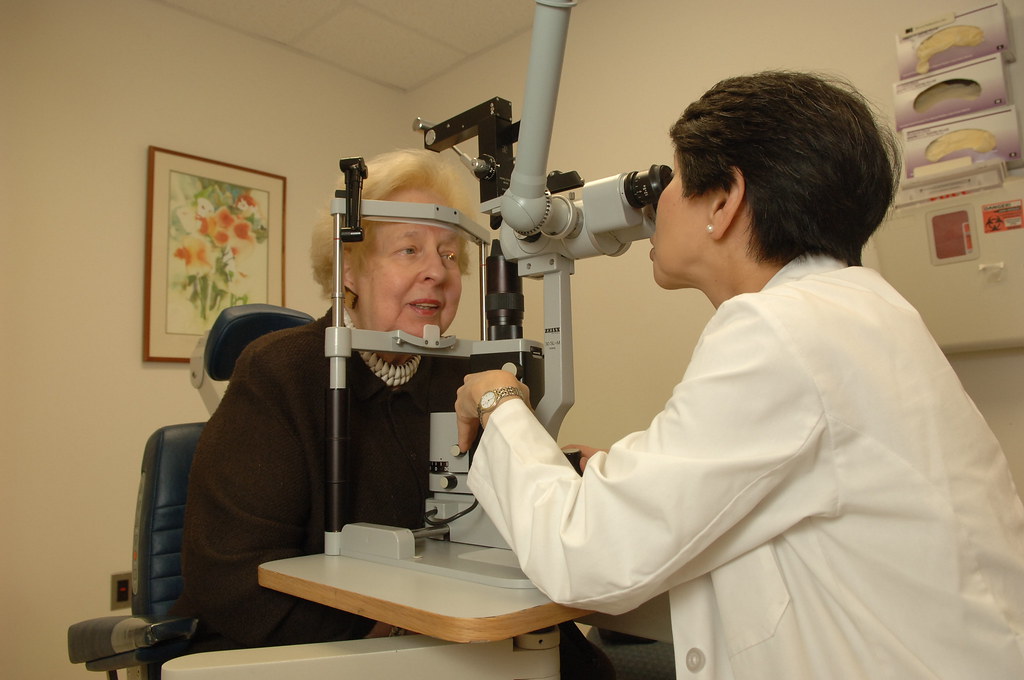
Eye exam health benefits are often underestimated, but they can reveal critical insights about your overall health. Regular eye examinations do more than check your vision; they can indicate underlying health issues.
What Does an Eye Exam Check?
An eye exam is a comprehensive assessment that goes beyond just checking your vision. It plays a crucial role in maintaining your overall health and can reveal significant insights about your well-being.
During an eye exam, an eye care professional will evaluate various aspects of your eyesight and eye health, including:
- Visual Acuity: Testing how well you can see at various distances.
- Eye Coordination: Assessing how well your eyes work together.
- Refraction Assessment: Determining your need for glasses or contact lenses.
- Eye Pressure Measurement: Checking for glaucoma by measuring the pressure inside your eyes.
- Retinal Examination: Looking at the back of your eyes to identify any signs of diseases such as diabetes or hypertension.
Moreover, eye exams can detect early signs of systemic conditions that may not yet present other symptoms. For instance, issues like high blood pressure, high cholesterol, and diabetes can be identified through changes in the blood vessels within the eyes. These eye exam health benefits underscore the importance of regular check-ups, as they not only ensure your vision remains sharp but also provide vital information regarding your overall health.
Key Health Indicators Revealed by Eye Exams
Eye exams do more than just assess vision; they can reveal significant health indicators that contribute to your overall wellbeing. Regular eye exams can detect early signs of various medical conditions, often before symptoms become apparent.
Here are some key health indicators that can be revealed through a comprehensive eye exam:
- Diabetes: Eye exams can identify signs of diabetic retinopathy, a complication of diabetes that affects the eyes.
- High Blood Pressure: Changes in the blood vessels in the retina can indicate elevated blood pressure, which can lead to serious health issues.
- Cholesterol Levels: Deposits in the eyes may signal high cholesterol levels, prompting further investigation.
- Autoimmune Diseases: Conditions like lupus or multiple sclerosis can be detected through changes in the eye’s appearance.
- Thyroid Issues: An eye exam can reveal signs of Graves’ disease, which affects the thyroid gland.
By taking advantage of the health benefits of eye exams, individuals can gain insights into their overall health and catch potential issues early. Regular check-ups are essential not only for maintaining vision but also for monitoring significant health indicators that can impact daily life.
How Often Should You Get an Eye Exam?
Regular eye exams are essential for maintaining not just your vision, but also your overall health. The frequency with which you should schedule an eye exam can vary based on several factors, including your age, health conditions, and risk factors for eye diseases.
For most adults, it is recommended to have an eye exam every two years. However, individuals over the age of 60, or those with chronic health issues such as diabetes or hypertension, may need to have their eyes checked annually. Additionally, children should have their first comprehensive eye exam at around six months of age, followed by additional exams at age three and before entering school.
Regular check-ups can help in identifying potential issues early on. Some of the key benefits of routine eye exams include:
- Early detection of eye diseases: Conditions like glaucoma or macular degeneration can be managed more effectively when caught early.
- Assessment of overall health: Eye exams can reveal signs of health issues such as high cholesterol or diabetes.
- Updating prescriptions: Ensuring that your glasses or contact lenses are up-to-date can significantly improve your quality of life.
In summary, understanding how often to get an eye exam is vital for reaping the eye exam health benefits that contribute to your overall wellbeing.
Common Misconceptions About Eye Health
Many people hold misconceptions about eye health that can affect their understanding of the importance of regular eye exams. Here are some common myths:
- Myth 1: Only people with vision problems need eye exams. Fact: Even those with perfect vision should have regular eye exams, as many eye conditions develop without noticeable symptoms.
- Myth 2: Eye exams are only about checking for glasses or contact lenses. Fact: An eye exam can reveal crucial information about your overall health, including signs of diabetes or high blood pressure.
- Myth 3: Eye exams are unnecessary for children. Fact: Early eye exams are vital for children, as they can identify issues that may affect learning and development.
- Myth 4: If you can see well, you don’t need an eye exam. Fact: Some eye diseases can only be detected through comprehensive exams, making regular check-ups essential for maintaining eye health.
Understanding these misconceptions can highlight the eye exam health benefits that contribute to your overall wellbeing. Regular eye exams not only ensure your vision is clear, but they also play a significant role in monitoring and maintaining your overall health.
The Connection Between Vision and Systemic Health
The connection between vision and systemic health is a critical aspect often overlooked in discussions about overall well-being. Regular eye exams not only assess your eyesight but can also provide vital insights into other health conditions.
During a comprehensive eye exam, eye care professionals can detect signs of various systemic diseases. Some of the key conditions that may be identified include:
- Diabetes: Changes in the retina can indicate diabetes, which can lead to severe complications if left untreated.
- Hypertension: Elevated blood pressure can cause issues in the blood vessels of the eye, often revealing underlying cardiovascular concerns.
- Autoimmune Disorders: Conditions like lupus or multiple sclerosis may show symptoms in the eyes, prompting further investigation.
- Cancer: Certain tumors can manifest signs in the ocular region, offering early detection opportunities.
Moreover, the health of your eyes can reflect lifestyle factors that affect overall wellness, such as nutrition, exercise, and smoking habits. This interconnection emphasizes the importance of regular eye exams, which serve as a crucial tool for monitoring not just eye health but general health as well. By understanding the eye exam health benefits, individuals can take proactive steps toward maintaining their overall health and well-being.
Tips for a Successful Eye Exam
Preparing for an eye exam can enhance the experience and ensure you gain the maximum health benefits from it. Here are some tips to help you make the most of your visit:
- Schedule a convenient time: Choose an appointment when you are least likely to feel rushed or distracted. This will allow you to focus on the examination and discuss your concerns with the eye care professional.
- Bring your medical history: Have a list of any medications you are taking and any medical conditions you have. This information can be crucial in understanding your overall health and its connection to your eye health.
- Prepare questions: Write down any questions you may have about your vision or eye health. Asking these questions can help you gain insights into the eye exam health benefits and clarify any doubts.
- Wear your glasses or contact lenses: If you use corrective lenses, ensure you bring them along. This will help the optometrist assess your vision more accurately.
- Follow post-exam recommendations: After your exam, pay attention to any advice or treatment plans provided. Adhering to these suggestions can significantly improve your eye health.
By following these tips, you can ensure a successful eye exam that contributes positively to your overall well-being.
Understanding Your Eye Exam Results
Understanding your eye exam results is crucial for maintaining overall health and wellness. Eye exams do not only evaluate vision but also provide essential insights into various health conditions.
During an eye exam, your optometrist will assess several factors, including:
- Visual Acuity: This indicates how well you can see at different distances.
- Eye Pressure: High eye pressure can signify glaucoma, a serious condition that can lead to vision loss.
- Retinal Health: The retina can reveal signs of diabetes, hypertension, and other systemic diseases.
- Optic Nerve Health: Changes in the optic nerve can indicate conditions like multiple sclerosis.
By interpreting these results, healthcare professionals can detect potential health issues early, often before symptoms arise. This proactive approach can lead to timely interventions, enhancing your overall well-being. For instance, a simple eye exam can uncover early signs of diabetes, allowing for lifestyle changes or medical treatment that can prevent further complications.
Incorporating regular eye exams into your health routine not only supports your vision but also plays a significant role in monitoring your overall health. Remember, the health benefits of an eye exam extend beyond just sight; they are integral to your comprehensive health strategy.
Regular check-ups can reveal underlying health issues, highlighting the eye exam health benefits that extend beyond vision correction. By understanding the eye exam health benefits, individuals can take proactive steps towards maintaining their overall wellbeing.
By National Institutes of Health (NIH) via Openverse