 Stephen Scott
The hottest monsoon has struck India this year, marking a significant change in weather patterns. This unprecedented heat raises concerns about climate change and its impacts.
Understanding the Hottest Monsoon
The phenomenon of the hottest monsoon has raised significant concerns among climate scientists and residents alike. Recent data indicates that several regions, particularly in India, are experiencing unprecedented temperature increases during the monsoon season. This trend is attributed to various factors linked to climate change, including:
- Rising global temperatures exacerbating heat conditions.
- Changes in precipitation patterns leading to extreme weather events.
- Urbanization intensifying the heat island effect.
As these conditions persist, the implications for agriculture, water supply, and public health become increasingly severe. The combination of higher temperatures and altered rainfall can lead to crop failures and increased disease prevalence, highlighting the urgent need for adaptive measures and climate action.
Climate Change and Its Effects
Climate change has had a profound impact on weather patterns across the globe, leading to more extreme conditions. The hottest monsoon periods are becoming increasingly common, raising concerns about their long-term effects on the environment and agriculture.
The following are some proven effects of climate change related to monsoon seasons:
- Increased Temperatures: Higher average temperatures during the monsoon can lead to more severe storms and unpredictable rainfall.
- Altered Rainfall Patterns: Changes in precipitation can result in either excessive flooding or prolonged droughts, affecting crop yields significantly.
- Soil Erosion: Intense rainfall can cause soil degradation, impacting agricultural productivity and food security.
- Health Risks: The hottest monsoon can increase the prevalence of waterborne diseases and heat-related illnesses.
Historical Weather Patterns in India
The historical weather patterns in India reveal significant fluctuations in monsoon temperatures, particularly noted during the hottest monsoon periods. Over the last few decades, data shows an upward trend in temperatures during the monsoon season, leading to intense rainfall and prolonged dry spells.
Factors contributing to these changes include:
- Urbanization: Rapid urban growth has altered local climates, creating heat islands that exacerbate monsoon heat.
- Deforestation: The loss of greenery has diminished the land’s ability to absorb moisture, impacting rainfall distribution.
- Global warming: Increased greenhouse gas emissions have raised average temperatures, affecting monsoon patterns and intensifying their severity.
As evidenced by recent reports, this year’s monsoon is the hottest in nine years, highlighting the urgent need to address climate change and its implications.
Comparing Past Monsoons
In recent years, the hottest monsoon has brought significant changes to weather patterns across India. Historical data shows that the intensity and duration of monsoon seasons have fluctuated, with the past decade witnessing unprecedented shifts.
The monsoon of 2023 stands out, as it recorded the highest temperatures in nearly a decade, raising concerns among meteorologists and climate scientists.
- Increased rainfall variability: Patterns of heavy rainfall interspersed with dry spells have become more common.
- Higher humidity levels: The rising temperatures contribute to increased humidity, impacting agriculture and health.
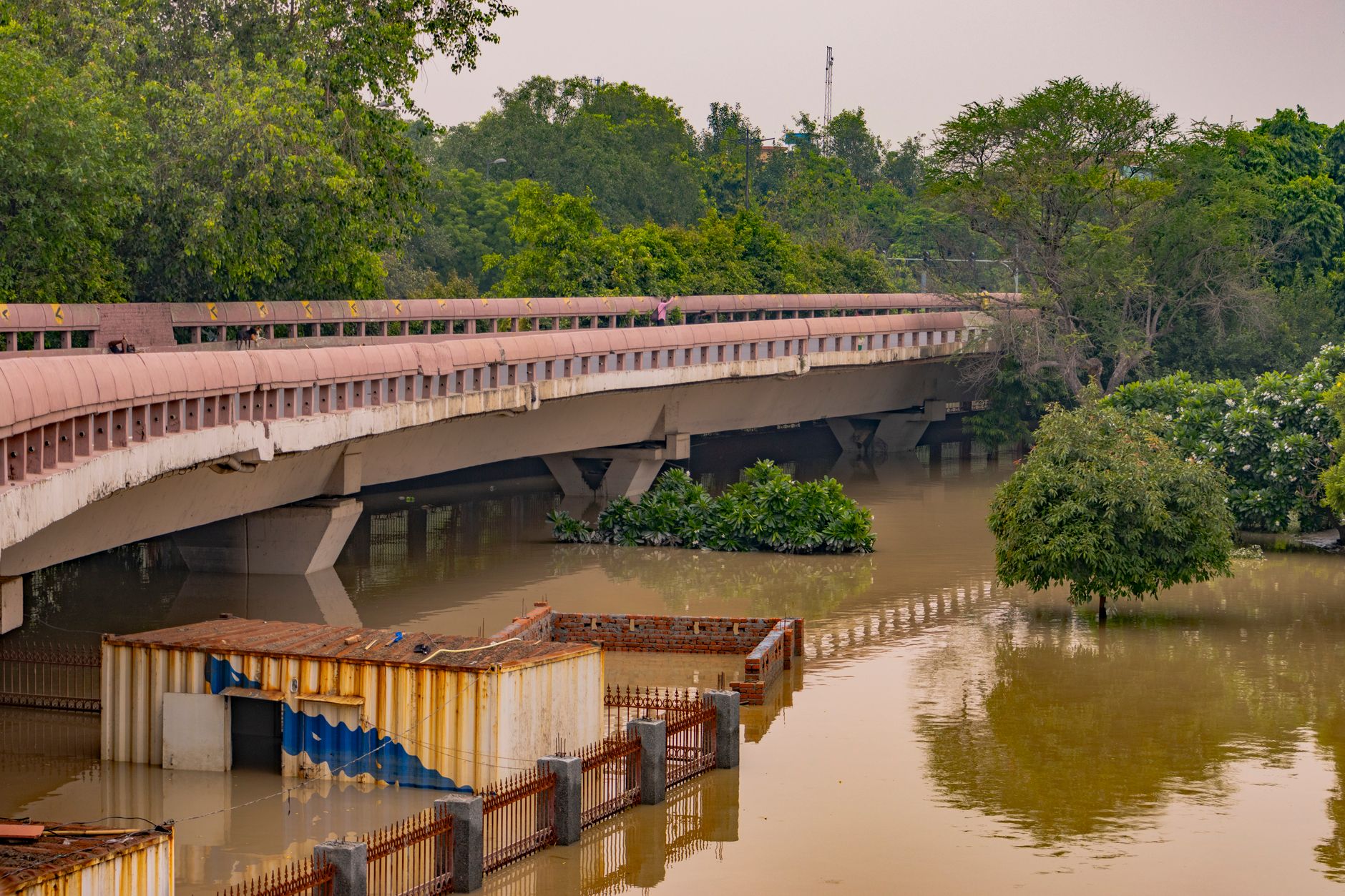
- Urban flooding: Cities are experiencing more frequent flooding events due to overwhelmed drainage systems.
These changes underscore the urgent need to address the implications of climate change on weather patterns and the resulting socio-economic challenges.
Impact on Agriculture and Livelihoods
The impact of the hottest monsoon on agriculture and livelihoods has been significant and concerning. Farmers, who rely heavily on predictable weather patterns, are facing unprecedented challenges due to erratic rainfall and rising temperatures.
Key effects include:
- Crop Damage: Unseasonal rains can lead to severe crop damage, affecting yields and farmers’ incomes.
- Water Scarcity: Increased evaporation rates during hotter months exacerbate water shortages, complicating irrigation efforts.
- Pest Infestation: Warmer conditions create favorable environments for pests, resulting in higher crop losses.
- Economic Strain: Reduced agricultural productivity impacts local economies, leading to increased poverty levels among farming communities.
As the hottest monsoon continues to challenge traditional farming practices, adaptation strategies become crucial for sustaining livelihoods.
Government Response to Climate Challenges
In response to the hottest monsoon and the increasing severity of climate-related challenges, the Indian government has initiated several measures aimed at mitigating the impacts of climate change.
Key actions include:
- Policy Reforms: Implementing new agricultural policies that encourage sustainable practices to enhance resilience.
- Investment in Technology: Promoting research and development of climate-resistant crops that can withstand erratic weather patterns.
- Public Awareness Campaigns: Educating citizens about the effects of climate change and the importance of water conservation.
- Collaborations: Partnering with international organizations to adopt best practices and share knowledge on climate adaptation strategies.
These efforts are critical in addressing the challenges posed by the hottest monsoon and ensuring a sustainable future for communities dependent on agriculture.
Public Awareness and Education
Public awareness and education play a crucial role in addressing the challenges posed by the hottest monsoon, particularly in regions vulnerable to climate change. Communities need to be informed about the impacts of rising temperatures and erratic rainfall patterns on their daily lives.
Effective educational campaigns can focus on:
- Understanding climate change: Explaining the science behind climate shifts and their direct correlation with the hottest monsoon.
- Disaster preparedness: Training communities to prepare for extreme weather events, ensuring safety and resilience.
- Sustainable practices: Promoting water conservation and sustainable agriculture methods to adapt to changing conditions.
- Community engagement: Encouraging local participation in climate action initiatives to foster a sense of responsibility.
By enhancing public knowledge, communities can better navigate the challenges posed by climate change and the hottest monsoon.
Future Projections for Monsoon Seasons
As climate change continues to influence global weather patterns, future projections for monsoon seasons indicate an increasing likelihood of experiencing the hottest monsoon conditions. Researchers predict that rising temperatures will lead to more intense rainfall events, exacerbating flooding and impacting water management systems.
Additionally, the frequency of extreme weather events during monsoon seasons is expected to rise, contributing to unpredictable weather patterns. This shift poses significant challenges to agriculture, threatening food security and farmer livelihoods.
Communities will need to adapt to these changes by implementing sustainable practices and enhancing infrastructure to withstand extreme weather. Investment in research and technology will be crucial in developing adaptive strategies that mitigate the effects of the hottest monsoon seasons while promoting resilience among vulnerable populations.
Overall, the future of monsoon seasons is closely tied to ongoing climate change trends, necessitating urgent action.
By Ken Lund via Openverse
Sources
Related stories
Eye Exam Health Benefits: Proven Insights for Your Wellbeing · American Airlines incident: Worst behavior caught on flight · Trump Iran threat: California Leaders Respond to Controversy