
 Stephen Scott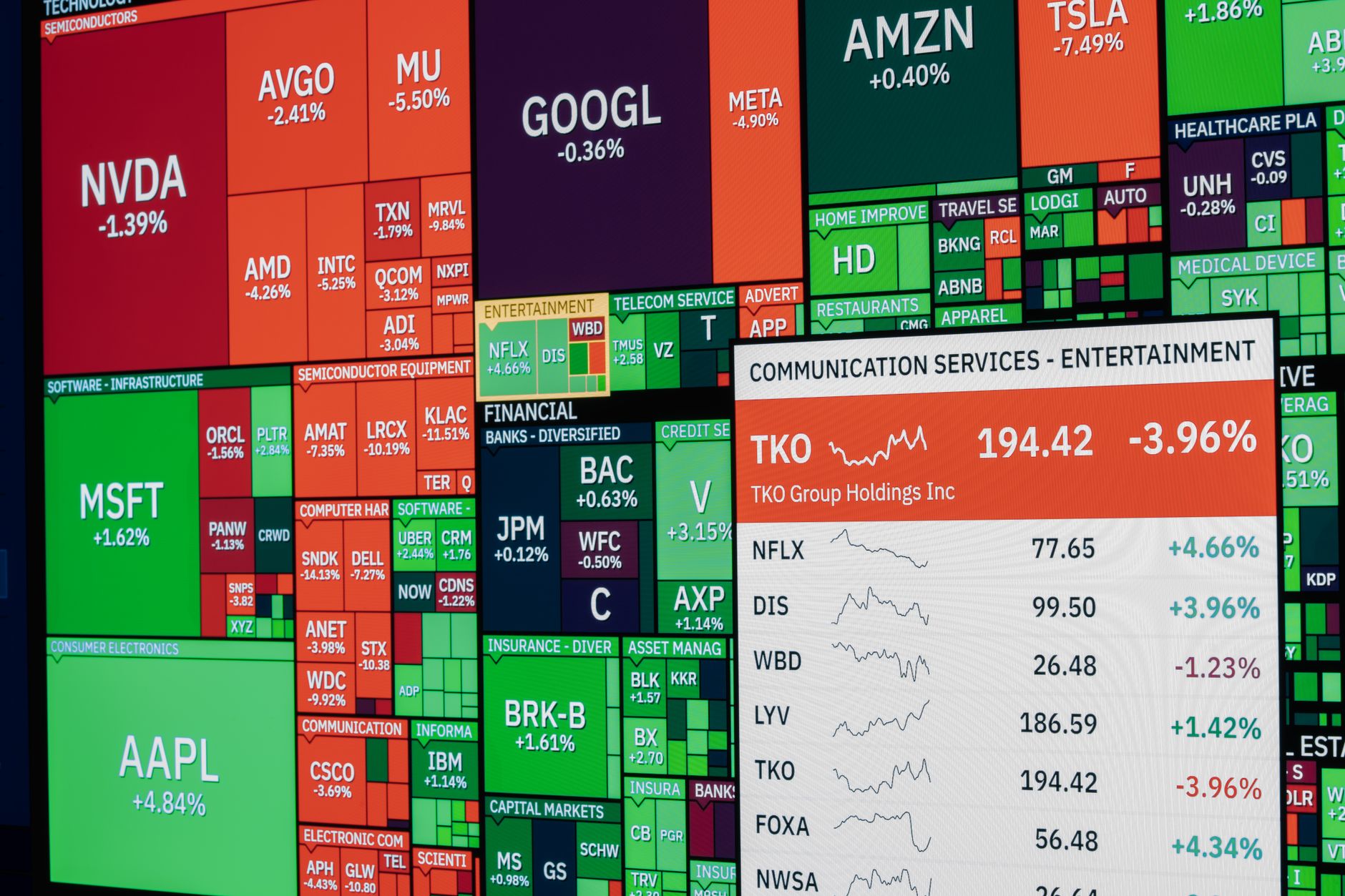
Stock Market Today reveals a sharp decline, with the Stock Market Today witnessing the Sensex plunging over 1,000 points due to RBI’s stance and crude price pressures.
Market Overview
The stock market today faced significant turmoil as the benchmark indices recorded substantial losses. The Sensex plunged over 1,000 points, reflecting a deepening concern among investors regarding economic stability. This decline comes in the wake of various factors influencing market sentiment, including the Reserve Bank of India’s recent stance and rising crude oil prices.
As trading progressed, the Nifty index also fell sharply, registering a decline of 1.54%. Analysts have pointed out that the combination of high inflation rates and fluctuating crude oil prices has created an atmosphere of uncertainty, prompting investors to reevaluate their positions.
The following points summarize the key factors affecting the market today:
- RBI Stance: The Reserve Bank of India’s recent policy announcements have raised concerns over potential interest rate hikes, impacting investor confidence.
- Crude Prices: With crude oil prices surging, market participants are wary of the implications for inflation and overall economic growth.
- Global Trends: International markets have also shown signs of volatility, influencing local trading patterns.
- Sector Performance: Major sectors, including banking and energy, have experienced significant sell-offs, contributing to the overall decline.
As the day progresses, investors are keeping a close eye on developments that could further impact the stock market today.
Factors Influencing the Decline
The recent decline in the stock market today can be attributed to several key factors that have raised concerns among investors. The Sensex’s plunge of over 1,000 points has sent shockwaves through the financial community, prompting discussions about the underlying causes.
- RBI Stance: The Reserve Bank of India’s recent monetary policy announcement has created uncertainty in the markets. Investors are reacting to the signals regarding interest rates, which could impact borrowing costs and economic growth.
- Crude Oil Prices: A significant rise in crude oil prices has contributed to inflationary pressures, affecting investor sentiment. Higher oil prices can lead to increased costs for businesses and consumers alike, dampening economic prospects.
- Global Market Trends: The performance of international markets has also played a role in the current decline. Weakness in major global indices has influenced local investor behavior, leading to a sell-off in domestic stocks.
- Sector Performance: Specific sectors, particularly energy and finance, have shown significant declines, further exacerbating the overall market downturn. Market analysts warn that continued volatility could persist if these trends remain unchanged.
In summary, the combination of the RBI’s monetary policy, fluctuating crude oil prices, global market pressures, and sector-specific declines are key factors influencing the stock market today.
Analysis of RBI’s Stance
As investors process the significant downturn in the stock market today, the Reserve Bank of India’s (RBI) recent stance is taking center stage in discussions. The RBI’s decisions in recent months have been closely monitored, as they play a critical role in shaping economic sentiment and influencing market movements.
Several analysts believe that the RBI’s current approach, which includes maintaining a cautious outlook on inflation and interest rates, has contributed to the sharp decline observed in the Sensex. This decline, exceeding 1,000 points, highlights the market’s sensitivity to monetary policy signals.
Key points of consideration regarding the RBI’s stance include:
- Inflation Control: The RBI has emphasized the need to combat rising inflation, which has led to speculation about potential rate hikes.
- Economic Growth: While focusing on inflation, there are concerns that aggressive monetary policies could stifle economic growth.
- Global Factors: External factors such as crude oil prices have also influenced the RBI’s decisions, making the outlook uncertain.
With the stock market today reflecting these dynamics, investors are urged to stay informed and consider the long-term implications of the RBI’s policies. As the situation evolves, further clarity may emerge, potentially stabilizing market conditions.
Impact of Crude Prices
The recent fluctuations in the stock market today can be largely attributed to the surge in crude oil prices. With the global economy still grappling with various challenges, the rise in crude prices has put additional pressure on market sentiments.
Currently, crude prices have reached levels that are significantly impacting inflation rates and consumer spending. Analysts suggest that the increase in energy costs is likely to lead to higher transportation and production expenses for businesses across various sectors.
Key factors contributing to the rise in crude prices include:
- Geopolitical Tensions: Ongoing conflicts in oil-producing regions have raised concerns over supply disruptions.
- OPEC+ Decisions: Production cuts announced by OPEC+ have further tightened the supply chain, leading to price hikes.
- Seasonal Demand: Increased demand for energy as colder months approach has also played a role in driving prices upward.
This spike in crude prices is not only affecting market indices like the Sensex, which plunged over 1,000 points, but it is also influencing investor confidence. Many are now reevaluating their portfolios in light of the potential for prolonged inflation and its impact on economic growth. With the RBI’s stance already a concern, the interplay of crude prices and market dynamics will be crucial to watch in the coming days.
Future Market Predictions
As investors navigate the current turmoil, market analysts are offering their predictions for the future of the stock market today. The significant drop in the Sensex has raised concerns about the sustainability of a recovery, with many experts weighing in on potential outcomes.
One key factor in future market predictions is the anticipated response from the Reserve Bank of India (RBI). Economists suggest that if the RBI maintains its current stance on interest rates, it could lead to further volatility in the markets. Additionally, global economic indicators, such as inflation rates and geopolitical tensions, are likely to play a crucial role in shaping the market landscape.
Analysts are also closely monitoring the performance of major sectors, including technology and finance, as they are pivotal in driving market recovery. The following points summarize future predictions:
- Short-Term Volatility: Expect fluctuations as investors react to news and economic data.
- Potential Recovery: A recovery could be on the horizon if corporate earnings exceed expectations.
- Global Influences: Ongoing geopolitical tensions may continue to impact investor sentiment.
- Sector Performance: Watch for shifts in performance across different sectors as new trends emerge.
In conclusion, while the stock market today faces immediate challenges, there remains hope for recovery contingent upon strategic decisions by the RBI and positive global economic developments.
Investor Reactions
As the stock market today faced significant turbulence, investor reactions have been overwhelmingly negative. The sudden plunge of the Sensex by over 1,000 points has left many market participants in shock and uncertainty regarding future trends.
Investors expressed their concerns through various channels, with many taking to social media to share their frustrations and fears. Some highlighted the need for a more stable economic environment, while others questioned the effectiveness of the Reserve Bank of India’s recent policies.
- Increased Sell-Offs: A notable trend was the increased sell-offs across various sectors, with many investors opting to liquidate their holdings to minimize losses.
- Flight to Safety: As fears escalated, there was a marked shift towards safer assets, such as gold and government bonds, indicating a lack of confidence in equities.
- Calls for Action: Some investors are urging regulatory bodies to intervene and provide support to stabilize the market, fearing a prolonged downturn.
- Emotional Toll: The emotional impact on retail investors has been significant, with many expressing anxiety over their financial futures.
In conclusion, the reactions from investors reflect a collective sentiment of apprehension and a desire for clarity amidst the chaos of the stock market today.
Photo by Rafael Minguet Delgado on Pexels
References
Related reading
GST Reforms Agenda: Quick Insights on Key Changes · Boeing CST-100 Starliner: The Best Proven Spacecraft Update · Modelo beer demand: Is it the worst time for drinkers?