
 Stephen Scott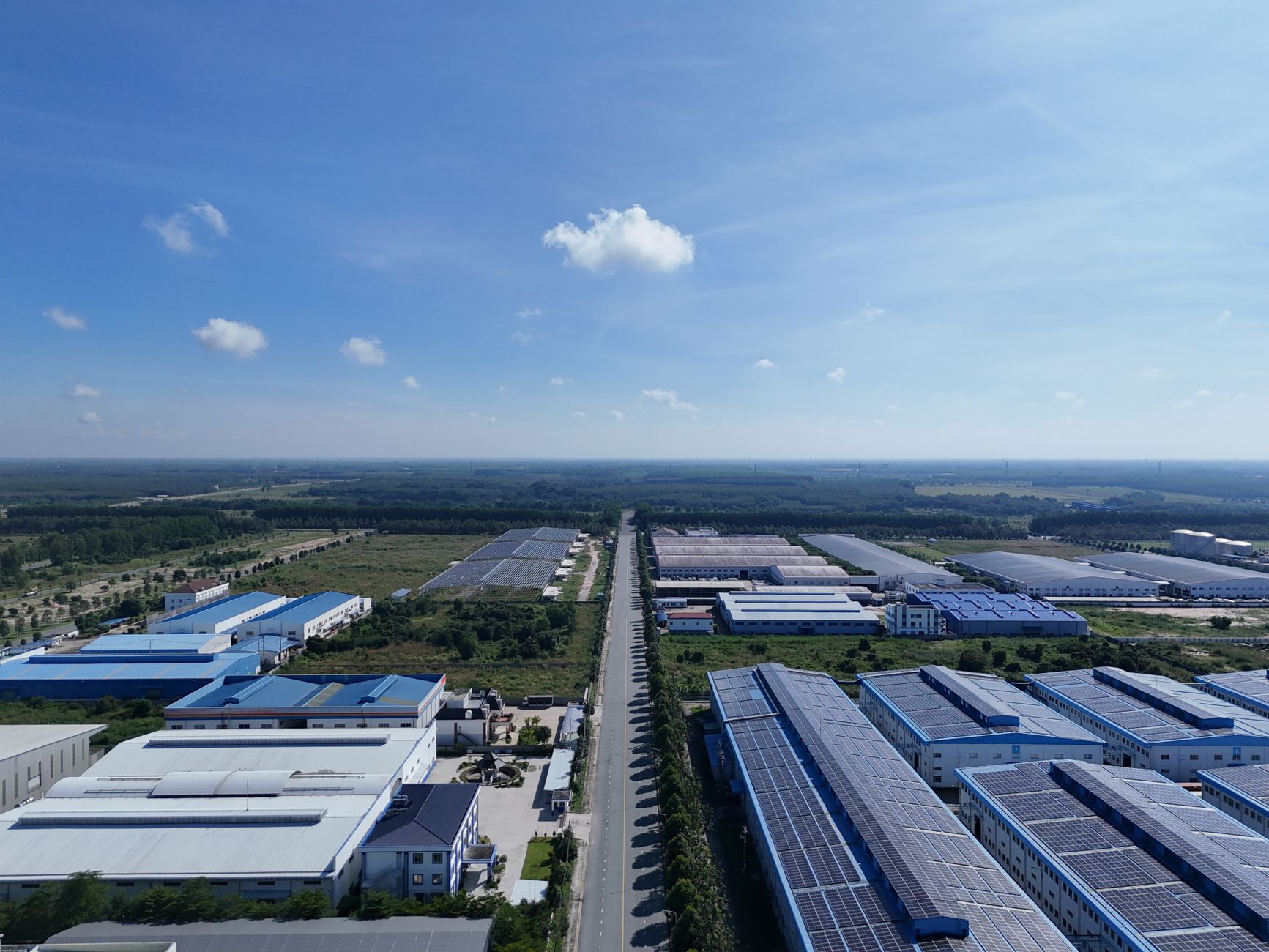
Solar manufacturing expansion is becoming a key focus for companies like Oswal Pumps. This move is expected to enhance production capabilities and meet growing demand.
What is the solar manufacturing expansion?
The solar manufacturing expansion is a strategic initiative aimed at increasing the production capacity of solar panels and related technologies. As countries and companies strive to meet growing energy demands while reducing carbon footprints, this expansion becomes crucial. In recent news, companies like Oswal Pumps are announcing significant investments in solar manufacturing, signaling a shift towards sustainable energy solutions.
The push for solar manufacturing expansion is driven by several factors:
- Increased demand: With global awareness of climate change rising, more consumers and businesses are turning to renewable energy sources.
- Government incentives: Many governments are offering subsidies and tax breaks to promote the adoption of solar technology, further stimulating growth in this sector.
- Technological advancements: Innovations in solar technology are making solar energy more efficient and cost-effective, attracting more investment.
As companies like Saatvik Green Energy secure major contracts, the landscape of solar manufacturing is changing rapidly. The solar manufacturing expansion not only promises economic growth but also helps combat climate change, making it a pivotal focus for the future.
Key players in the solar industry
The solar manufacturing expansion has attracted significant attention from key players in the industry, each aiming to capitalize on the growing demand for renewable energy solutions. Major companies are making strategic moves to enhance their production capabilities and improve supply chains.
- Oswal Pumps has announced a substantial investment in new solar manufacturing facilities, aiming to increase their output and meet rising market needs.
- Saatvik Green Energy recently secured a major solar order, signaling robust growth prospects and further emphasizing the importance of scaling manufacturing operations.
- First Solar continues to lead the market with innovative technologies and a commitment to expanding its manufacturing footprint globally, focusing on sustainability and efficiency.
- JinkoSolar is also enhancing its production capabilities, investing heavily in new technologies to streamline operations and reduce costs.
These initiatives highlight the competitive landscape of the solar industry, where companies are not only seeking to dominate the market but also to contribute to a greener future. As the solar manufacturing expansion unfolds, it remains to be seen how these players will shape the industry’s trajectory and their own growth opportunities.
Impact of solar manufacturing on the market
The impact of solar manufacturing expansion on the market is profound and multifaceted. As companies like Oswal Pumps and Saatvik Green Energy ramp up their production capabilities, the ripple effects can be seen across various sectors.
One significant advantage of this expansion is the potential for job creation. With new manufacturing facilities emerging, thousands of jobs may be generated, ranging from skilled labor to engineering positions. This not only boosts local economies but also fosters a skilled workforce in renewable energy technologies.
Moreover, the increase in solar manufacturing can lead to a decrease in solar panel costs. As companies scale production, economies of scale come into play, making solar energy more accessible to a broader audience. This affordability may catalyze further investments in renewable energy projects, thereby enhancing the overall market landscape.
However, challenges remain. Supply chain constraints and the need for sustainable practices are pressing issues that must be addressed. Companies must balance growth with environmental responsibilities to ensure that solar manufacturing expansion does not compromise ecological integrity.
In summary, while solar manufacturing expansion presents promising growth opportunities, its success hinges on addressing these critical challenges.
Future trends in solar energy production
As the world increasingly shifts towards renewable energy sources, the solar manufacturing expansion is poised to play a crucial role in shaping future trends in solar energy production. Several factors are influencing this evolution in the industry.
- Technological advancements: Innovations in solar panel technology, such as increased efficiency and reduced production costs, are driving manufacturers to expand their operations.
- Government incentives: Many countries are offering incentives for solar energy adoption, prompting manufacturers to ramp up production to meet rising demand.
- Environmental awareness: With growing concerns about climate change, more consumers and businesses are seeking sustainable energy solutions, further boosting the market for solar products.
- Global energy policies: International agreements aimed at reducing carbon emissions are pushing governments to invest in renewable energy, thereby creating a favorable environment for solar manufacturing expansion.
As these trends continue to unfold, it is evident that the solar manufacturing sector will not only contribute to energy production but also drive economic growth and job creation in the long term.
Photo by Vietnam Real Estate on Pexels
References
Related stories
Pope Leo Hospital Admission: A Clear Update on His Health · Hyundai Bayon launch: The Best Proven Features Revealed · US India friendship: The Worst Cheap Alliance Exposed