 Stephen Scott
Indian politicians studied abroad have gained invaluable insights that shape their leadership styles. This article explores notable figures who have studied overseas and how their experiences influence their political careers.
Notable Indian Politicians Who Studied Abroad
Many prominent Indian politicians have pursued their education abroad, bringing diverse perspectives and experiences to their political careers. Among these notable figures is Rahul Gandhi, who completed his master’s degree in Development Studies at the University of Cambridge. His international education has influenced his approach to various socio-economic issues in India.
Another significant name is Mahua Moitra, who studied at the prestigious London School of Economics. Moitra’s time abroad has equipped her with a critical understanding of global economic policies, which she often references in her speeches and debates.
Additionally, Shashi Tharoor stands out as a well-educated politician; he attended St. Stephen’s College in Delhi before earning his master’s and doctoral degrees from the Fletcher School of Law and Diplomacy at Tufts University. Tharoor’s global insights and articulate communication style are widely recognized within Indian politics.
Furthermore, Manmohan Singh, India’s former Prime Minister, studied at the University of Cambridge and the Massachusetts Institute of Technology. His academic background played a crucial role in shaping India’s economic reforms during his tenure.
These leaders exemplify how Indian politicians who studied abroad can leverage their international education to enhance their leadership and policymaking skills.
Impact of Foreign Education on Leadership
The impact of foreign education on leadership among Indian politicians has been significant in shaping their perspectives and approaches to governance. Many leaders who studied abroad have brought back diverse ideas and innovative solutions to address the complex challenges faced by India.
One notable aspect is the exposure to different political systems and governance models that these politicians experience during their studies. This exposure often fosters a more global outlook, allowing them to understand international relations and economic dynamics better. As a result, they can craft policies that are not only relevant domestically but also resonate on a global scale.
Moreover, the networks formed during their time overseas can be invaluable. These connections often lead to collaborations that benefit their constituencies, from attracting foreign investments to fostering cultural exchanges.
Additionally, the critical thinking and analytical skills acquired abroad can enhance their decision-making abilities, making them more adept at navigating the complexities of Indian politics. Leaders such as Rahul Gandhi and Mahua Moitra, who have both studied internationally, exemplify how foreign education can enrich political discourse in India.
In summary, the experience of Indian politicians studied abroad not only contributes to their personal growth but also plays a crucial role in the evolution of India’s political landscape.
Comparative Analysis of Domestic vs. International Education
As the landscape of Indian politics evolves, the educational background of leaders increasingly comes into focus. A comparative analysis of domestic versus international education reveals significant insights into how these experiences shape leadership styles and decision-making processes.
Indian politicians studied abroad often bring unique perspectives and skills that can differ markedly from those who have pursued their education within the country. Some key differences include:
- Exposure to Global Practices: Politicians who have studied overseas are frequently exposed to a variety of governance models and international relations strategies, enhancing their diplomatic acumen.
- Cultural Awareness: International education often fosters a deeper understanding of diverse cultures, which can translate into more inclusive policies and approaches.
- Network Building: Studying abroad allows leaders to build connections with influential figures worldwide, which can be beneficial in forging international alliances.
- Critical Thinking Skills: Many foreign institutions emphasize critical thinking and problem-solving, equipping leaders with the ability to tackle complex issues effectively.
While domestic education provides firm roots in local culture and issues, the global exposure that comes with studying abroad is invaluable. This blend of experiences can create well-rounded leaders capable of navigating the challenges of modern governance.
The Role of Global Experience in Indian Politics
The landscape of Indian politics has been significantly shaped by leaders who have gained their education and experience abroad. The role of global experience in Indian politics cannot be understated, as it provides these politicians with a broader perspective on governance, economics, and international relations. Many Indian politicians studied abroad, exposing them to different political systems and cultures, which often influences their approach to leadership and policy-making.
Having a global viewpoint allows these leaders to connect with a diverse electorate and engage in diplomatic relations more effectively. For instance, politicians who have studied in countries with robust democratic frameworks often advocate for similar reforms in India, promoting transparency and accountability. Additionally, their understanding of global issues enables them to address local challenges with innovative solutions.
Furthermore, exposure to international best practices helps these leaders implement successful policies in areas such as education, health, and economic development. This blend of local knowledge and global insights often results in more effective governance.
In summary, the global experience gained by Indian politicians who studied abroad serves as a vital asset in navigating the complexities of modern governance, ultimately contributing to their effectiveness as leaders in the ever-evolving political landscape of India.
Future Trends in Political Education for Leaders
As the political landscape in India continues to evolve, the trend of Indian politicians studying abroad is likely to gain even more traction. With globalization and increasing interconnectedness, future political leaders are expected to seek international educational opportunities to broaden their perspectives and enhance their capabilities.
Some of the emerging trends in political education for leaders include:
- Increased Collaboration: Institutions worldwide are increasingly partnering with Indian universities to create programs that focus on global governance, diplomacy, and public policy.
- Diverse Learning Environments: Future politicians are likely to experience a variety of educational settings, from traditional classrooms to experiential learning through internships and exchanges.
- Focus on Technology: With the rise of digital platforms, online courses from prestigious international universities are becoming more accessible, allowing aspiring leaders to learn from the best, regardless of their location.
- Emphasis on Soft Skills: Education abroad is not just about academic knowledge; it often emphasizes critical thinking, negotiation skills, and cultural intelligence, which are vital for effective leadership.
As Indian politicians studied abroad continue to shape the future of governance, the emphasis on comprehensive, international education will likely play a pivotal role in fostering a new generation of informed and adaptable leaders.
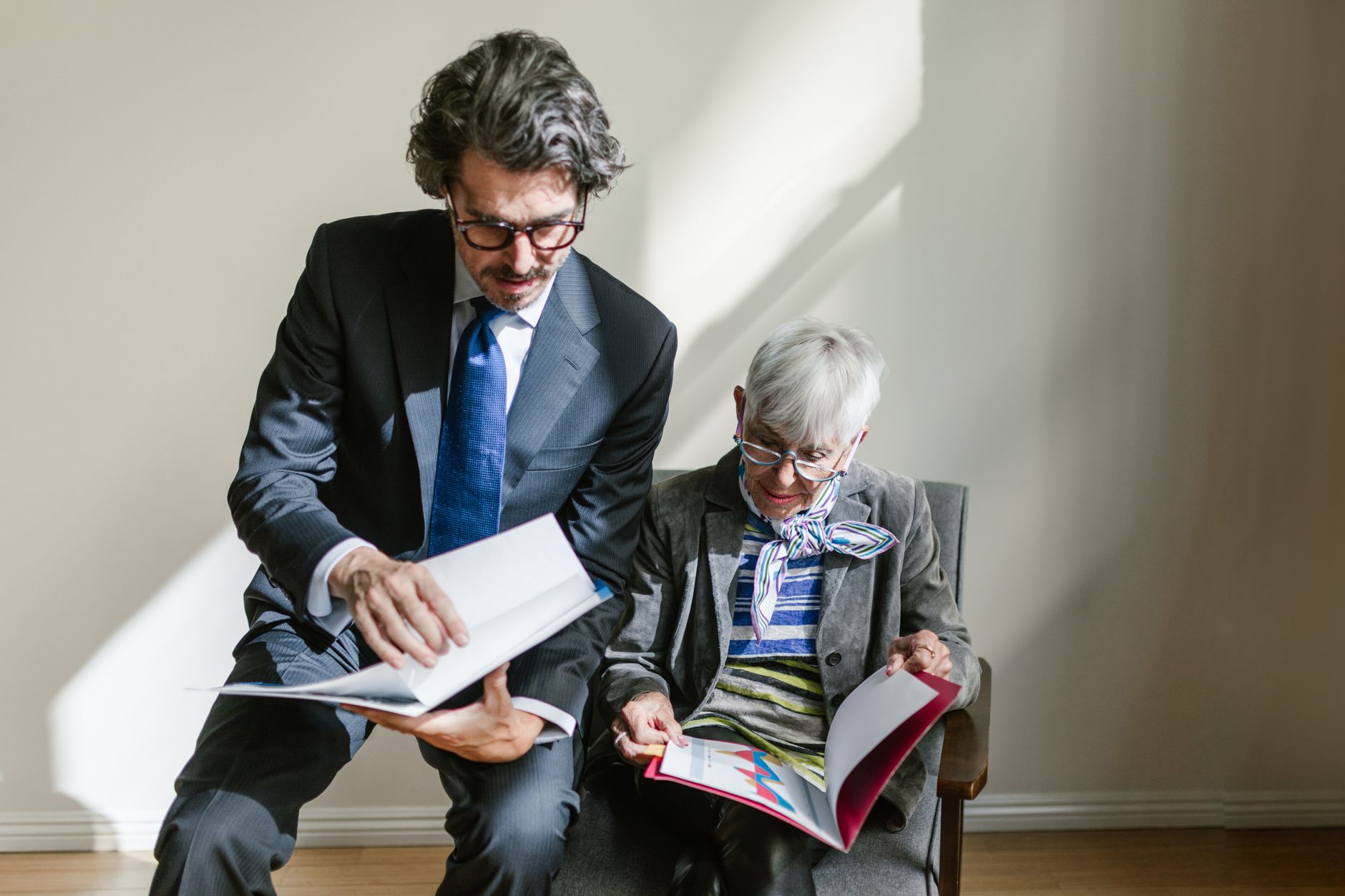
Many Indian politicians studied abroad have gained valuable insights that influence their governance styles. These leaders often bring a global perspective to local issues, showcasing the advantages of education beyond national borders.
Photo by Szymon Shields on Pexels
Sources
You might also like
Books Featured on TODAY: The Best Picks You Can Get Now · Robotic Material Synchronization: Smart Solution for Efficiency · Zelensky meeting promises: What are the best outcomes?