
 Stephen Scott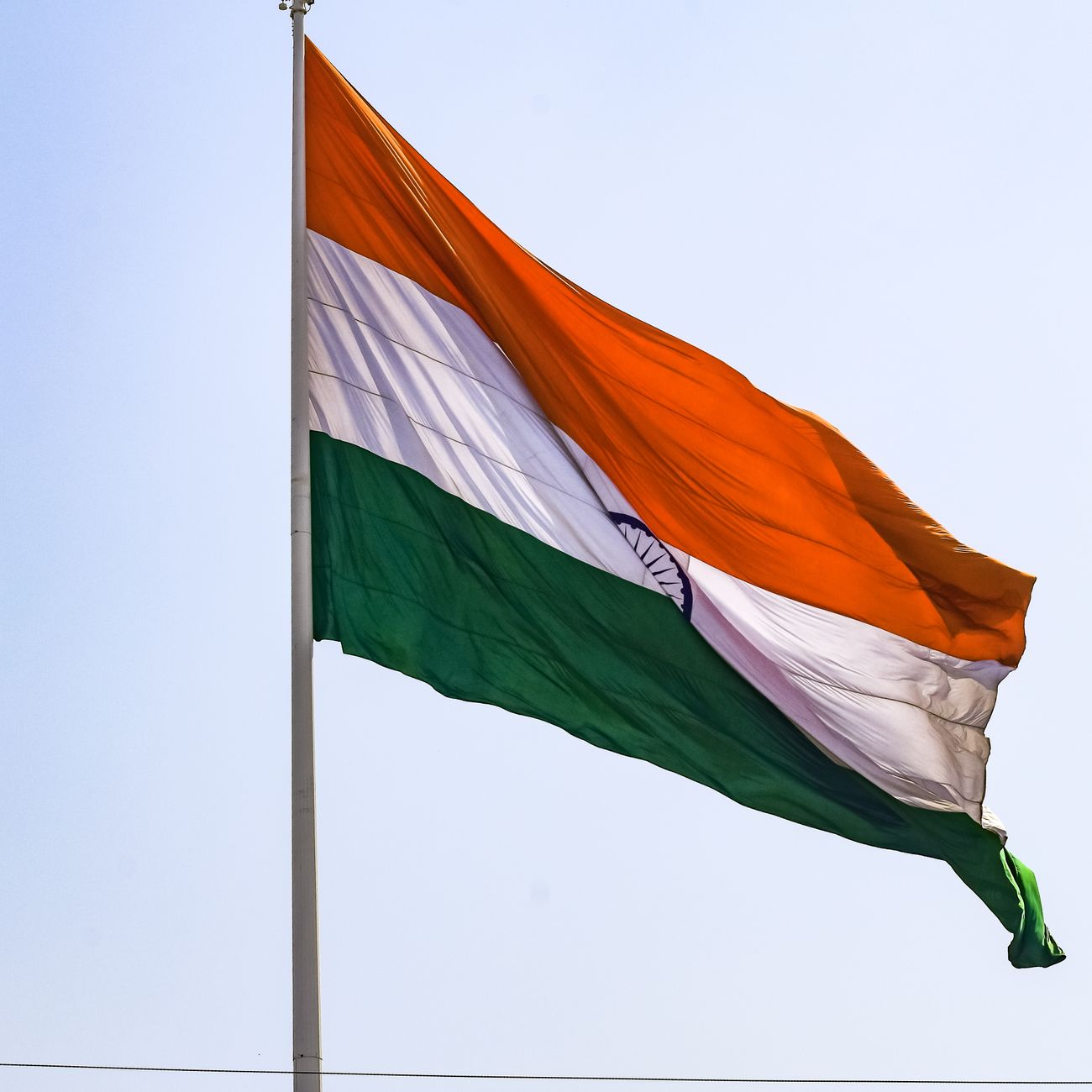
Har Ghar Tiranga Nara is a slogan that has sparked significant discussion in India. Prakash Raj’s remarks question its current relevance and impact.
Introduction to Har Ghar Tiranga Nara
The Har Ghar Tiranga Nara has emerged as a significant movement aimed at instilling a sense of patriotism among citizens. This initiative encourages every household to display the national flag, promoting unity and national pride. In recent discussions, notable figures like Prakash Raj have raised pertinent questions regarding the effectiveness and commitment towards this initiative.
As India continues to evolve, the Har Ghar Tiranga Nara serves as a reminder of the values that bind the nation together. The call for every home to exhibit the tricolor flag resonates deeply with the essence of India’s independence and the sacrifices made by countless individuals throughout history.
However, it is crucial to reflect on the current state of this movement. Are citizens genuinely embracing the Har Ghar Tiranga Nara, or is it merely a symbolic gesture? The answers to these questions can help gauge the level of patriotism in the country and assess how well the initiative is being received.
- National Unity
- Patriotism
- Community Engagement
Ultimately, the journey of the Har Ghar Tiranga Nara is not just about flying the flag; it’s about fostering a deeper connection to the nation and its ideals.
Prakash Raj’s Statement Explained
Prakash Raj, the renowned actor and activist, recently made headlines with his provocative statement questioning the commitment to the Har Ghar Tiranga Nara. His remarks came during a public discussion where he highlighted the importance of the initiative aimed at instilling a sense of patriotism among citizens.
Raj’s comments were directed towards the current political climate, prompting a reflection on whether the spirit of the Har Ghar Tiranga Nara has been genuinely embraced by the populace. He emphasized that the movement should not merely be a slogan but a heartfelt expression of national pride that resonates with every individual.
In his statement, he urged people to evaluate their own contributions to this cause, asking, “What happened to your Har Ghar Tiranga Nara?”. This rhetorical question serves as a challenge to citizens to actively participate in the initiative rather than view it as a passive exercise.
His words underscore the need for collective responsibility and engagement in promoting the values represented by the Tiranga, urging all Indians to reflect on their role in fostering a united and vibrant national identity.
Impact of Har Ghar Tiranga on Society
The Har Ghar Tiranga Nara initiative has sparked significant discussions across various societal segments. Its primary goal is to encourage every household in India to display the national flag, fostering a sense of unity and patriotism among citizens. This movement has not only revitalized national pride but also prompted individuals to reflect on what it means to be part of a diverse nation.
One of the most notable impacts has been the enhancement of community engagement. People from different backgrounds are coming together to participate in flag-hoisting ceremonies and related activities, strengthening their bonds. Additionally, educational institutions have incorporated the initiative into their curricula, helping students understand the importance of national symbols and their relevance in contemporary society.
- Increased awareness about the national flag and its significance.
- Promotion of discussions surrounding national identity and responsibility.
- Encouragement of civic participation through local events.
However, the initiative has also raised questions, as highlighted by Prakash Raj, regarding the consistency of patriotism beyond mere symbolism. As the Har Ghar Tiranga Nara continues to resonate, it challenges citizens to embody the spirit of the flag in their daily lives, promoting actions that reflect their love for the nation.
Public Reaction to Prakash Raj’s Comments
Following Prakash Raj’s recent comments regarding the Har Ghar Tiranga Nara, public reactions have been varied and passionate. Many individuals took to social media platforms to express their thoughts, reflecting a spectrum of opinions on the topic.
Some supporters of Raj appreciated his candidness, emphasizing the importance of accountability in governmental initiatives. They argued that the Har Ghar Tiranga Nara should not just be a slogan, but a movement that brings genuine change to communities across the nation.
- One user remarked, “It’s essential that we hold our leaders accountable for the promises made during campaigns.”
- Another stated, “The Har Ghar Tiranga Nara should inspire pride and unity, not just be a marketing gimmick.”
Conversely, critics of Raj’s comments pointed out that such statements could undermine the spirit of the initiative. They believe that focusing on criticism rather than positivity can detract from the overall goal of fostering patriotism.
As discussions continue, it remains clear that the Har Ghar Tiranga Nara has sparked significant dialogue, urging citizens to reflect on the essence of national pride and responsibility.
Historical Context of Har Ghar Tiranga
The Har Ghar Tiranga Nara campaign, initiated by the Indian government, marks a significant moment in the nation’s history, aiming to instill a sense of patriotism among citizens. This initiative encourages every household to proudly display the National Flag, fostering unity and national identity.
Historically, the promotion of the national flag has been a powerful symbol of freedom and sovereignty. The movement draws inspiration from the Indian independence struggle, where the flag represented hope, sacrifice, and the collective aspirations of the people. By encouraging the flag’s presence in every home, the Har Ghar Tiranga Nara seeks to revive this spirit of patriotism, echoing the sentiments of those who fought for the nation’s independence.
Moreover, the campaign resonates with the ideals set forth in the Indian Constitution, which emphasizes the importance of national integrity and unity in diversity. As citizens engage with the Har Ghar Tiranga Nara, they are reminded of their shared responsibilities towards the nation and the values it stands for.
In this context, the remarks made by public figures, like Prakash Raj, highlight the ongoing dialogue about national pride and the expectations attached to initiatives like the Har Ghar Tiranga.
Political Implications of the Slogan
The political implications of the Har Ghar Tiranga Nara resonate deeply within the current socio-political landscape of India. This slogan, which translates to “Every Home a Flag,” has become a rallying cry for patriotism and national unity. However, it also raises critical questions about the sincerity of political leaders in promoting such ideals.
Prakash Raj’s recent statement, “What Happened To Your Har Ghar Tiranga Nara?” challenges the authenticity of those who champion the slogan while failing to deliver on its promises. This critique highlights a growing sentiment among the public that political leaders often use nationalistic rhetoric to gain support without substantial action to improve citizens’ lives.
Additionally, the slogan’s commercialization has sparked debates regarding the true essence of patriotism. Some argue that merely displaying the national flag is not enough; it should be accompanied by genuine efforts to foster unity and address pressing social issues.
In this context, the Har Ghar Tiranga Nara serves as both a symbol of pride and a litmus test for political accountability. As the nation moves forward, the challenge remains: can political leaders transform this slogan into meaningful change for every citizen?
What is the Future of Har Ghar Tiranga?
The future of the Har Ghar Tiranga Nara remains a topic of intense discussion among citizens, political analysts, and cultural commentators. As the nation reflects on the significance of this slogan, it becomes essential to consider its potential trajectory in the coming years.
Many believe that the Har Ghar Tiranga movement can evolve beyond a mere slogan to become a symbol of national pride and unity. The emphasis on raising the national flag at every home is seen as a catalyst for fostering a sense of belonging among diverse communities across the country.
However, the sustainability of this movement depends on several factors:
- Community Engagement: Initiatives that encourage local participation may enhance the movement’s impact.
- Education: Incorporating the values of patriotism and respect for the national emblem in school curriculums can instill a deeper understanding among the youth.
- Political Will: Support from political leaders can influence public sentiment and ensure that the message resonates widely.
As conversations around the Har Ghar Tiranga Nara continue, it is crucial to keep the dialogue alive, ensuring that it reflects the aspirations and values of the nation while addressing the challenges it may face.
Conclusion: A Call to Action
In conclusion, the Har Ghar Tiranga Nara serves as a poignant reminder of the importance of national pride and unity. As we reflect on the various perspectives surrounding this slogan, it becomes increasingly clear that it is not merely a call to display the national flag, but an invitation to engage in a deeper conversation about our collective identity and responsibilities as citizens.
Prakash Raj’s provocative question, “What happened to your Har Ghar Tiranga Nara?” resonates with many who feel a disconnect between the ideals represented by the flag and the realities of our society. This is an opportunity for each individual to introspect and assess their role in fostering a sense of belonging and patriotism.
To truly embody the spirit of the Har Ghar Tiranga Nara, we must actively participate in community initiatives, promote inclusivity, and address social issues that hinder our progress as a nation. It is time to transform this slogan from a mere phrase into a powerful movement that encourages every citizen to contribute positively to the fabric of our society. Let us embrace this call to action and work towards a brighter future for all.
Photo by Rahul Sapra on Pexels
Where this came from
Related reading
Fake Google Chrome App: Worst Download Disaster on Play Store · 99-year-old record breaker: Is this the best flight ever? · iPhone Duo Pre-Orders: Best Offers and Specs Revealed