
 Stephen Scott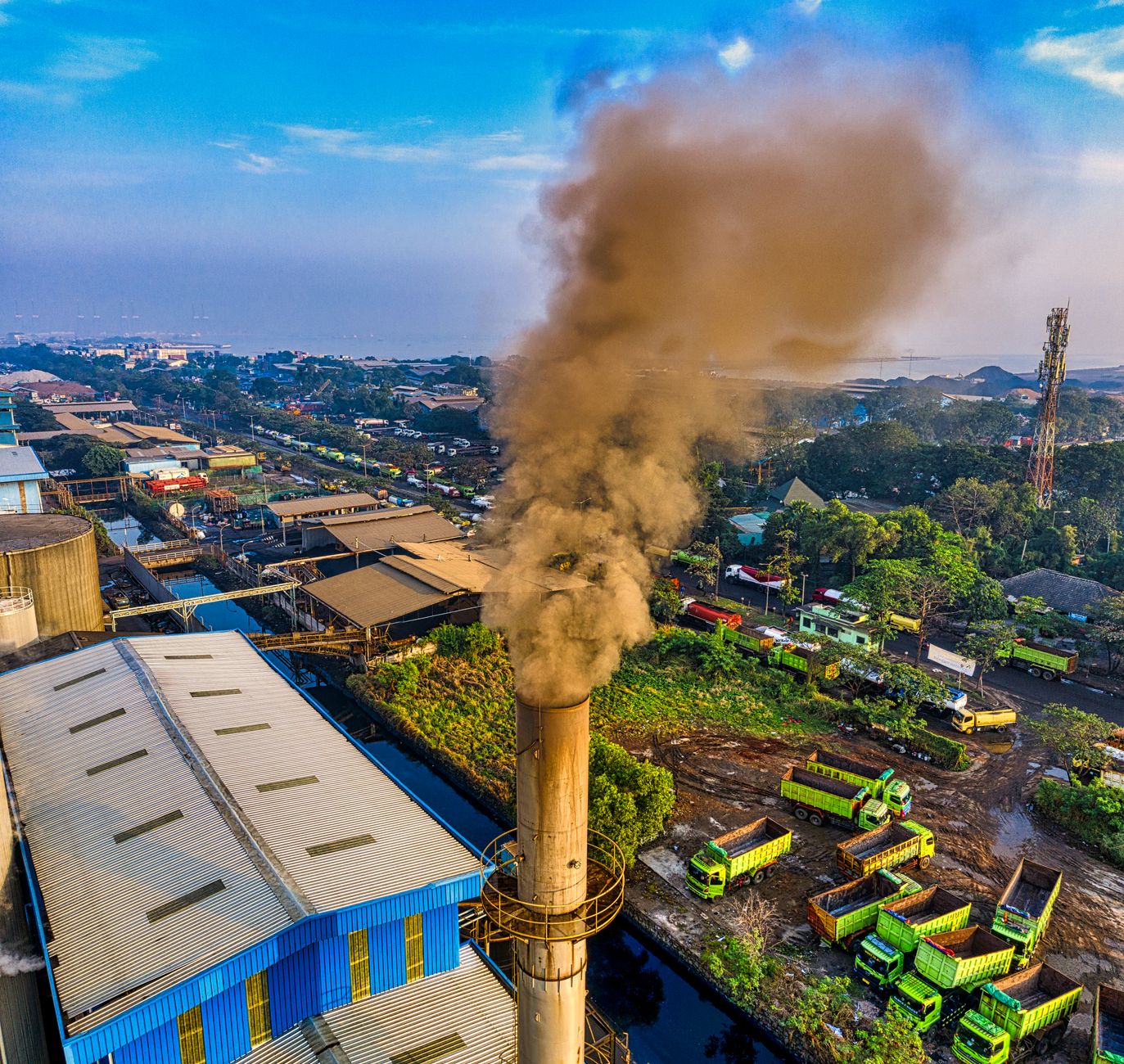
Indonesia carbon monoxide levels have been captured in stunning NASA imagery, highlighting significant environmental concerns. This data sheds light on air quality issues that could impact public health and climate change.
Understanding Carbon Monoxide Levels in Indonesia
The recent analysis of Indonesia’s carbon monoxide levels has raised significant concerns regarding air quality in the region. Carbon monoxide (CO) is a colorless, odorless gas that can have serious health implications when present in elevated concentrations.
In Indonesia, these levels are influenced by various factors, including:
- Industrial emissions from factories and power plants
- Vehicle exhaust from the increasing number of cars and motorcycles on the roads
- Forest fires, especially during dry seasons, which release large amounts of CO into the atmosphere
As reported in recent NASA imagery, the visible spikes in carbon monoxide levels can be linked to specific events, such as agricultural burning and urban pollution. These high concentrations pose risks not only to respiratory health but also contribute to broader environmental issues.
Addressing the ongoing challenges related to Indonesia’s carbon monoxide levels is essential for improving public health and ensuring sustainable air quality management practices in the future.
The Role of NASA Imagery in Environmental Monitoring
Nasa’s advanced satellite imagery plays a crucial role in monitoring environmental conditions, including the carbon monoxide levels in Indonesia. By providing real-time data, these satellites allow scientists and researchers to track pollution sources and their impact on air quality.
The satellite technology captures detailed images of various regions, helping to identify areas with high emissions. This information is vital for understanding how carbon monoxide disperses in the atmosphere and affects urban populations.
Furthermore, the imagery has been instrumental in shaping public policy and environmental regulations. Authorities can utilize this data to implement measures aimed at reducing emissions and improving air quality, particularly in densely populated areas.
In addition to monitoring carbon monoxide levels, NASA imagery assists in:
- Identifying pollution hotspots, allowing for targeted interventions.
- Tracking seasonal variations in air quality, which can influence health outcomes.
- Supporting research on the long-term effects of air pollution.
Overall, the integration of NASA’s technology represents a significant advancement in environmental monitoring in Indonesia.
Health Risks Associated with High Carbon Monoxide
The rising levels of carbon monoxide in Indonesia pose significant health risks to the population. As a colorless and odorless gas, carbon monoxide can be particularly dangerous, often going unnoticed until symptoms arise.
Exposure to high carbon monoxide levels can lead to a variety of health issues, including:
- Headaches: One of the most common early symptoms, persistent headaches can indicate elevated carbon monoxide exposure.
- Dizziness and confusion: Higher concentrations can affect cognitive function, leading to disorientation and impaired judgment.
- Respiratory problems: Individuals with pre-existing conditions may experience exacerbated symptoms, including shortness of breath and increased asthma attacks.
- Cardiovascular effects: For those with heart conditions, carbon monoxide can lead to increased heart rate and even heart attacks.
As Indonesia grapples with air quality issues, monitoring carbon monoxide levels becomes crucial for public health. Understanding these risks is essential for protecting communities from the harmful effects of air pollution.
Steps to Improve Air Quality in Indonesia
Improving air quality in Indonesia requires a coordinated effort from both the government and the public. Several key steps can be taken to address the high levels of carbon monoxide and enhance overall air quality.
- Regulation of Emissions: Implementing stricter regulations on emissions from vehicles and industrial sources can significantly reduce carbon monoxide levels.
- Promotion of Public Transportation: Encouraging the use of public transport over private vehicles can help decrease traffic congestion and lower emissions.
- Awareness Campaigns: Educating the public about the dangers of carbon monoxide and the importance of air quality can lead to more environmentally conscious behavior.
- Investment in Renewable Energy: Shifting towards renewable energy sources can minimize reliance on fossil fuels, thereby reducing harmful emissions.
- Green Urban Planning: Developing green spaces and promoting urban greenery can improve air filtration and contribute to healthier environments.
By taking these actions, Indonesia can work towards lowering carbon monoxide levels and ensuring a healthier future for its citizens.
Recent studies indicate that rising Indonesia carbon monoxide levels are significantly contributing to the deterioration of air quality in urban areas. Addressing these Indonesia carbon monoxide levels is crucial for improving public health and environmental conditions.
Photo by Tom Fisk on Pexels