
 Stephen Scott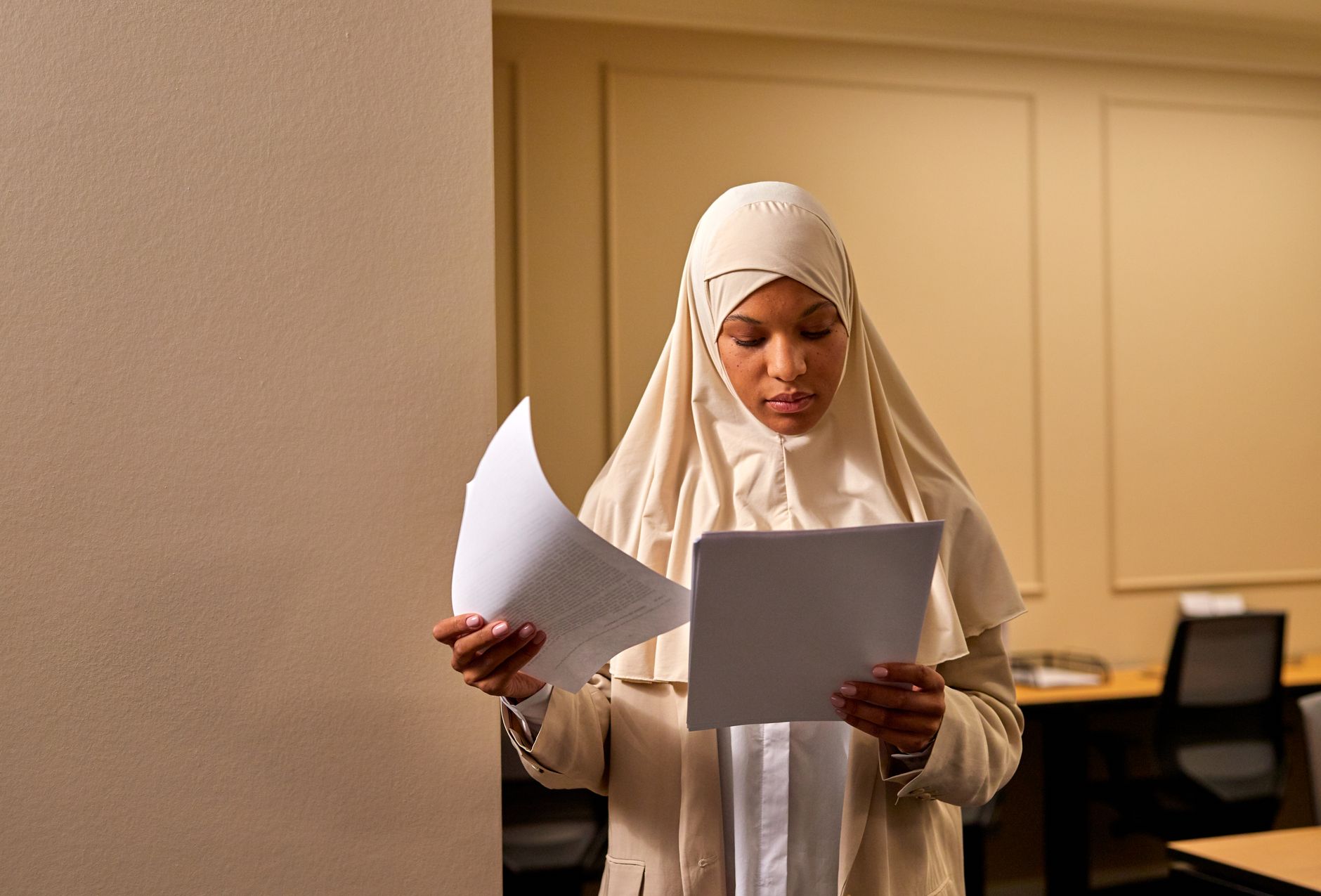
Ilhan Omar DOJ lawsuit claims violations of her rights as a member of Congress. The attorneys argue that the Department of Justice failed to follow court orders designed to protect her.
Background of the Lawsuit
The lawsuit filed by Representative Ilhan Omar against the Department of Justice (DOJ) stems from an alleged violation of her rights as a member of Congress. According to Omar’s legal team, the DOJ has failed to adhere to specific protocols set by a federal judge aimed at safeguarding her constitutional rights. This situation has raised significant concerns regarding the treatment of elected officials and the extent to which governmental agencies respect judicial directives.
In the backdrop of this legal conflict, it is essential to understand the implications of the DOJ’s actions. Omar’s attorneys argue that the failure to comply with the judge’s orders not only undermines her rights but also sets a concerning precedent for other members of Congress. The lawsuit highlights the tension between legislative authority and executive power, questioning the accountability of government agencies when dealing with elected representatives.
As the case unfolds, it will likely attract attention from legal experts and civil rights advocates alike. The outcome of the Ilhan Omar DOJ lawsuit could have far-reaching effects on how future cases involving congressional rights are handled, reinforcing the need for transparency and adherence to judicial processes.
Key Allegations Against the DOJ
In the ongoing Ilhan Omar DOJ lawsuit, several key allegations have emerged that underscore the gravity of the situation. Attorneys representing Representative Ilhan Omar assert that the Department of Justice has repeatedly violated court orders intended to safeguard her rights as a member of Congress. These violations raise pressing concerns regarding the integrity of the judicial process and the protection of congressional privileges.
Among the primary allegations are the following:
- Failure to Comply with Court Orders: The DOJ is accused of disregarding explicit instructions from the court, which were designed to ensure that Omar’s rights were upheld during legal proceedings.
- Lack of Transparency: The lawsuit highlights a troubling absence of transparency from the DOJ regarding the evidence and rationale for their actions, which could undermine public trust in the judicial system.
- Retaliatory Actions: Allegations have surfaced suggesting that the DOJ’s actions may be retaliatory in nature, aimed at silencing a vocal critic and undermining her role as an elected official.
These allegations paint a concerning picture of how the DOJ’s conduct may infringe on the rights of elected representatives, prompting calls for accountability and reform.
Impact on Congressional Rights
The recent Ilhan Omar DOJ lawsuit has raised significant concerns regarding the rights of congressional members to operate free from undue interference. With the Department of Justice accused of violating a judge’s orders, the implications extend beyond Omar herself, impacting the integrity of congressional operations overall.
Lawmakers are expected to perform their duties without fear of reprisal or obstruction. The allegations suggest that the DOJ’s actions not only undermine Rep. Omar’s ability to represent her constituents effectively but also set a troubling precedent for other congressional members. Key impacts include:
- Erosion of Legislative Independence: If the DOJ can bypass judicial directives, it raises questions about the autonomy of Congress.
- Chilling Effect on Future Legislation: Members may hesitate to pursue certain policies for fear of legal repercussions from executive actions.
- Potential for Increased Partisan Tensions: Allegations of rights violations may lead to further polarization between Congress and the executive branch.
As the case progresses, the outcome could redefine the balance of power and the protections afforded to Congress members in their legislative roles.
Responses from the DOJ
In response to the allegations made in the Ilhan Omar DOJ lawsuit, representatives from the Department of Justice (DOJ) have expressed their commitment to upholding the rule of law while addressing the issues raised by Omar’s legal team. A spokesperson stated that the DOJ is reviewing the claims with utmost seriousness and is dedicated to ensuring that all procedures and protocols are adhered to, particularly those aimed at safeguarding the rights of members of Congress.
Many legal experts have weighed in on the situation, emphasizing the importance of maintaining clear communication between the DOJ and congressional representatives. They argue that any failure to comply with judicial orders could undermine the integrity of the judicial process. In a recent statement, a DOJ official noted that the department seeks to balance its law enforcement responsibilities with the need to respect congressional rights.
- Concerns have been raised about the implications of this lawsuit on future DOJ practices.
- Experts are calling for more transparency in how the DOJ handles cases involving lawmakers.
- The lawsuit could set a significant precedent for congressional rights in legal matters.
Next Steps in the Legal Process
As the Ilhan Omar DOJ lawsuit progresses, the next steps in the legal process will be critical for determining the outcome and any potential implications for congressional rights. Following the recent accusations of rights violations by the Department of Justice (DOJ), Omar’s legal team is preparing to present compelling arguments in court that detail how the DOJ allegedly failed to adhere to established protocols designed to protect the rights of members of Congress.
The immediate next step involves a scheduled court hearing where both sides will present their cases. This hearing is expected to address the evidence surrounding the claims made by Omar’s attorneys, particularly the assertion that the DOJ disregarded a judge’s orders. Legal experts believe that the outcome of this hearing could set a precedent for how similar cases are handled in the future.
In addition, Omar’s team may seek a temporary injunction to prevent the DOJ from continuing actions that they argue violate her rights. Furthermore, public opinions and media attention surrounding the case are likely to influence the proceedings, as this lawsuit not only affects Omar but also raises broader questions about the protections afforded to elected officials.
The Ilhan Omar DOJ lawsuit has brought to light significant concerns regarding the treatment of individuals in similar circumstances. As the case unfolds, it highlights the broader implications of the Ilhan Omar DOJ lawsuit for civil rights protections in the United States.
Photo by Ron Lach on Pexels