 Stephen Scott
Air pollution control is becoming increasingly important in India as winter approaches. The government is strengthening measures to combat the rising levels of pollution that can affect public health during this season.
Current Air Pollution Levels in India
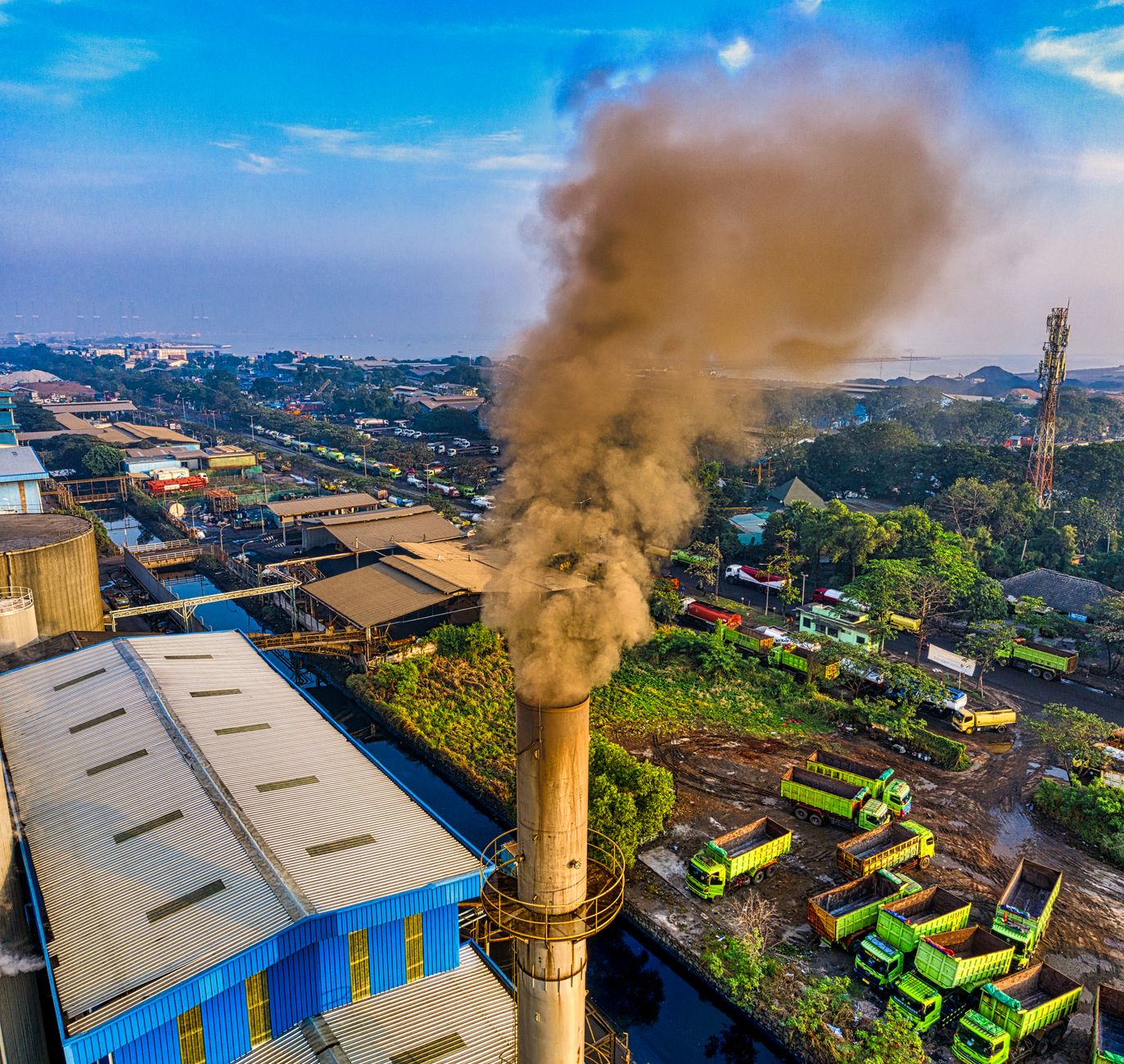
India continues to grapple with severe air pollution, particularly during the winter months. Recent data indicates alarming levels of particulate matter (PM2.5) across major cities, with some areas recording concentrations that are significantly above the safe limits set by the World Health Organization.
In November 2023, cities like Delhi and Mumbai reported hazardous air quality, prompting health advisories from government agencies. According to the Central Pollution Control Board, the average PM2.5 levels in Delhi reached a staggering 400 µg/m³, a figure that poses serious health risks to the population.
In response to these critical conditions, authorities have implemented stringent air pollution control measures, including the suspension of construction activities and the promotion of public transport. However, experts argue that long-term solutions are essential to address the root causes of air pollution, such as vehicular emissions and industrial discharges.
As winter approaches, the effectiveness of these measures will be crucial in determining whether air quality can be improved or if the situation will worsen.
Impact of Winter on Air Quality
The impact of winter on air quality in India is significant, exacerbating existing pollution levels. As temperatures drop, atmospheric conditions change, leading to a phenomenon known as temperature inversion. This occurs when a layer of warm air traps pollutants close to the ground, preventing them from dispersing.
During the winter months, several factors contribute to deteriorating air quality:
- Increased Heating: Many households resort to burning fuels for heating, adding to the concentration of harmful emissions.
- Stubble Burning: Agricultural practices, particularly in northern states, lead to extensive stubble burning, releasing large amounts of smoke and particulate matter.
- Fog and Moisture: The combination of fog and humidity can trap pollutants, resulting in a thick haze that reduces visibility and air quality.
In response to these challenges, the government is intensifying air pollution control measures, aiming to mitigate the adverse effects of winter on public health and the environment.
Government Initiatives for Air Pollution Control
The Indian government has implemented several initiatives aimed at enhancing air pollution control, particularly as winter approaches. These measures are crucial in combating the seasonal spike in air quality issues.
Among the key initiatives are:
- Graded Response Action Plan (GRAP): This framework enables authorities to take specific measures based on pollution levels, ensuring a swift response to deteriorating air quality.
- Introduction of the National Clean Air Programme (NCAP): Launched to reduce particulate matter, this program emphasizes coordinated efforts across various states.
- Promotion of Electric Vehicles (EVs): By encouraging the use of EVs, the government aims to decrease emissions from traditional vehicles, contributing to long-term air pollution control.
- Construction of Green Buffer Zones: These zones are designed to absorb pollutants and improve air quality in urban areas.
Through these initiatives, the government strives to create a sustainable environment and mitigate the adverse effects of air pollution during the winter months.
Public Response to Air Quality Measures
The public response to air quality measures in India has been mixed as the winter season approaches. Many citizens express support for the government’s air pollution control initiatives, recognizing the urgent need for action to combat worsening air quality. However, some residents remain skeptical about the effectiveness of these measures.
In a recent survey, residents shared their thoughts:
- Support for Stricter Regulations: A significant percentage of respondents believe that stricter emissions regulations for industries could lead to better air quality.
- Concerns About Implementation: Many citizens worry that the government may not enforce these regulations effectively, leading to continued pollution.
- Public Awareness Campaigns: There is a call for more educational campaigns to inform the public about the importance of air pollution control and individual actions they can take.
Overall, while there is recognition of the alarming state of air quality, the effectiveness of proposed measures remains a topic of debate among the populace.