 Stephen Scott
Jeffries choice on Trump is shaping the political landscape as he navigates complex decisions ahead. The implications of his actions could be significant for the party’s future.
Understanding Jeffries’ Position
The political landscape in Washington has shifted dramatically as Democrats grapple with their strategy regarding former President Donald Trump. Hakeem Jeffries, the current House Minority Leader, is at a crucial crossroads in determining his party’s approach to Trump’s influence. Understanding Jeffries’ position is vital for assessing the broader implications for the Democratic Party.
Jeffries faces several key considerations as he navigates this complex terrain:
- Electoral Strategy: With the upcoming elections, Jeffries must weigh the potential repercussions of confronting Trump versus taking a more conciliatory stance.
- Party Unity: Balancing the diverse opinions within the Democratic caucus is essential. Some members advocate for a strong opposition to Trump, while others prefer to focus on unifying issues.
- Public Sentiment: The electorate’s views on Trump remain polarized. Understanding voter concerns will play a crucial role in shaping Jeffries’ decisions.
Ultimately, Jeffries’ choice on Trump will not only reflect his leadership style but also set the direction for the Democratic Party as they prepare for the future.
The Impact of Trump’s Policies
The impact of Trump’s policies continues to resonate within the Democratic Party as leaders navigate their responses to his administration’s legacy. The decisions made by House Minority Leader Hakeem Jeffries regarding Trump could shape the party’s future and influence public opinion.
Many argue that Trump’s policies have led to significant changes in various sectors, including:
- Healthcare: Changes in regulations have affected millions, raising concerns over access and affordability.
- Immigration: Policies implemented during his presidency have led to strict enforcement and significant controversy.
- Climate Change: Withdrawal from international agreements has sparked debate about environmental responsibility.
- Economic Policy: Tax cuts and deregulations have had mixed effects on different demographics.
Jeffries’ choice on Trump may also reflect the party’s strategy for the upcoming elections. By addressing the ramifications of Trump’s policies, Jeffries could position the Democrats as a responsive and proactive force in contrast to the previous administration. The effectiveness of this approach will likely depend on how well the party communicates its vision to the electorate while distancing itself from Trump’s legacy.
What This Means for Democrats
As Democrats navigate the complexities of the political landscape, Jeffries’ choice on Trump carries significant implications for the party’s future. The decision not only reflects his leadership style but also signals a broader strategy for engaging with the former president’s influence.
Key considerations for Democrats include:
- Party Unity: Jeffries must balance the diverse opinions within the party to maintain cohesion, especially when addressing Trump’s polarizing impact.
- Electoral Strategy: The choice on how to confront or cooperate with Trump could shape campaign strategies heading into the next election cycle.
- Voter Sentiment: Understanding the electorate’s view on Trump will be crucial. Democrats need to gauge whether to confront his legacy or focus on other pressing issues.
- Legislative Agenda: Jeffries’ decision could influence key legislative priorities, particularly those that may be affected by Trump’s policies.
Ultimately, Jeffries’ choice on Trump will not only define his leadership but may also set the tone for how Democrats position themselves in a rapidly evolving political environment.
Public Reaction to Jeffries’ Choice
As news of Jeffries’ choice on Trump spreads, public reaction has been diverse and intense. Many supporters of the Democratic Party express relief, believing that Jeffries’ decision reflects a strong stance against what they see as detrimental policies from the former president.
On social media, opinions are divided. A number of users have taken to platforms like Twitter to voice their approval, stating:
- “Finally, a leader who stands up to Trump!”
- “This is a risky move, but necessary for the future of the party.”
Conversely, critics argue that Jeffries’ choice could alienate moderate voters, potentially harming the party’s chances in upcoming elections. Comments include:
- “He should be focused on unity, not divisiveness.”
- “This could backfire; not everyone is on board with the anti-Trump sentiment.”
As the debate continues, it remains clear that Jeffries’ decision has sparked a significant conversation about the direction of the Democratic Party and its approach to Trump’s legacy.
Historical Context of Trump and Congress
The relationship between Donald Trump and Congress has been tumultuous since his presidency began. Trump’s approach to governance often disrupted traditional political norms, leading to significant challenges for congressional leaders. As the House Minority Leader, Hakeem Jeffries faces a critical moment in deciding how to navigate this complex landscape, especially concerning his Jeffries choice on Trump.
Historically, Trump has polarized opinions among lawmakers, creating divisions not only within the Republican Party but also among Democrats. His policies, such as tax reform and immigration control, have often been met with resistance, prompting congressional pushback. This context is crucial for understanding Jeffries’ current position.
In past congressional sessions, Democrats have grappled with how to respond to Trump’s legislative initiatives. Impeachment proceedings, for example, highlighted the stark divide in Congress and set a precedent for future interactions. Jeffries must weigh the implications of aligning or distancing himself from Trump as he considers the broader impact on his party and the electorate.
As Democrats look to unify their strategy moving forward, Jeffries’ decision will not only shape party dynamics but also influence the political landscape in the run-up to the next election.
Future Implications for Leadership
The future implications of Jeffries’ choice on Trump could significantly shape the Democratic Party’s leadership and legislative strategies. As the party navigates a polarized political landscape, this decision may serve as a litmus test for unity among party members.
Key factors that will influence future leadership dynamics include:
- Party Cohesion: The ability of Democrats to rally around a common stance will be crucial in upcoming elections.
- Electoral Strategy: Jeffries’ approach may dictate how Democrats position themselves against Trump’s influence, especially in swing districts.
- Legislative Priorities: Decisions regarding support or opposition to Trump’s policies could affect the party’s agenda moving forward.
- Public Perception: How constituents respond to Jeffries’ choice may shape voter sentiment and impact future Democratic leadership.
In essence, Jeffries’ choice on Trump is not just a momentary decision; it represents a pivotal moment that could redefine the Democratic Party’s identity and approach in the years to come. As the political landscape evolves, the ramifications of this choice will undoubtedly resonate throughout the party’s future.
Analyzing Political Strategies
As Democrats navigate the complexities of their political landscape, Jeffries’ choice on Trump represents a pivotal moment for party strategy. By carefully assessing the implications of support or opposition to the former president, party leadership is tasked with maintaining unity while appealing to a diverse electorate.
Several strategies emerge from this analysis:
- Fostering Unity: Jeffries must ensure that the party remains cohesive, as divisions could weaken their position against a resurgent Republican base.
- Engaging with Moderates: A balanced approach that engages moderate voters could be essential. This may involve highlighting bipartisan efforts while still addressing the concerns surrounding Trump’s legacy.
- Mobilizing the Base: To energize grassroots supporters, Jeffries can emphasize accountability and the necessity of standing firm against policies that contradict Democratic values.
- Strategic Messaging: Crafting messages that resonate with various demographics will be crucial. This could involve focusing on issues directly affecting constituents, thereby framing the narrative around Trump’s influence.
Ultimately, the effectiveness of Jeffries’ choice on Trump will depend on how well these strategies align with the evolving political sentiment among voters and party members alike.
Key Takeaways from the Capitol Agenda
As the political landscape continues to evolve, several key takeaways emerge regarding Jeffries’ choice on Trump and its implications for the Democratic Party. These insights highlight the challenges and opportunities that lie ahead.
- Strategic Positioning: Jeffries’ decision reflects a calculated approach aimed at unifying the party while appealing to a broader electorate.
- Impact on Party Dynamics: This choice may reshape relationships within Congress, particularly among progressive and moderate factions.
- Public Sentiment: Understanding the electorate’s feelings towards Trump is crucial. Jeffries must navigate these sentiments effectively to maintain voter support.
- Long-term Goals: By addressing Trump-related issues, Jeffries is not just responding to immediate challenges, but also setting the stage for future electoral strategies.
- Leadership Style: His approach may influence how future Democratic leaders handle controversial figures, reinforcing a culture of accountability.
In summary, Jeffries’ choice on Trump could serve as a pivotal moment for the Democratic Party, with far-reaching effects on its cohesiveness and electoral success in the coming years.
Many analysts believe that Jeffries choice on Trump could reshape the Democratic strategy moving forward. As the party navigates the complexities of the upcoming election, Jeffries choice on Trump will be a focal point for discussion.
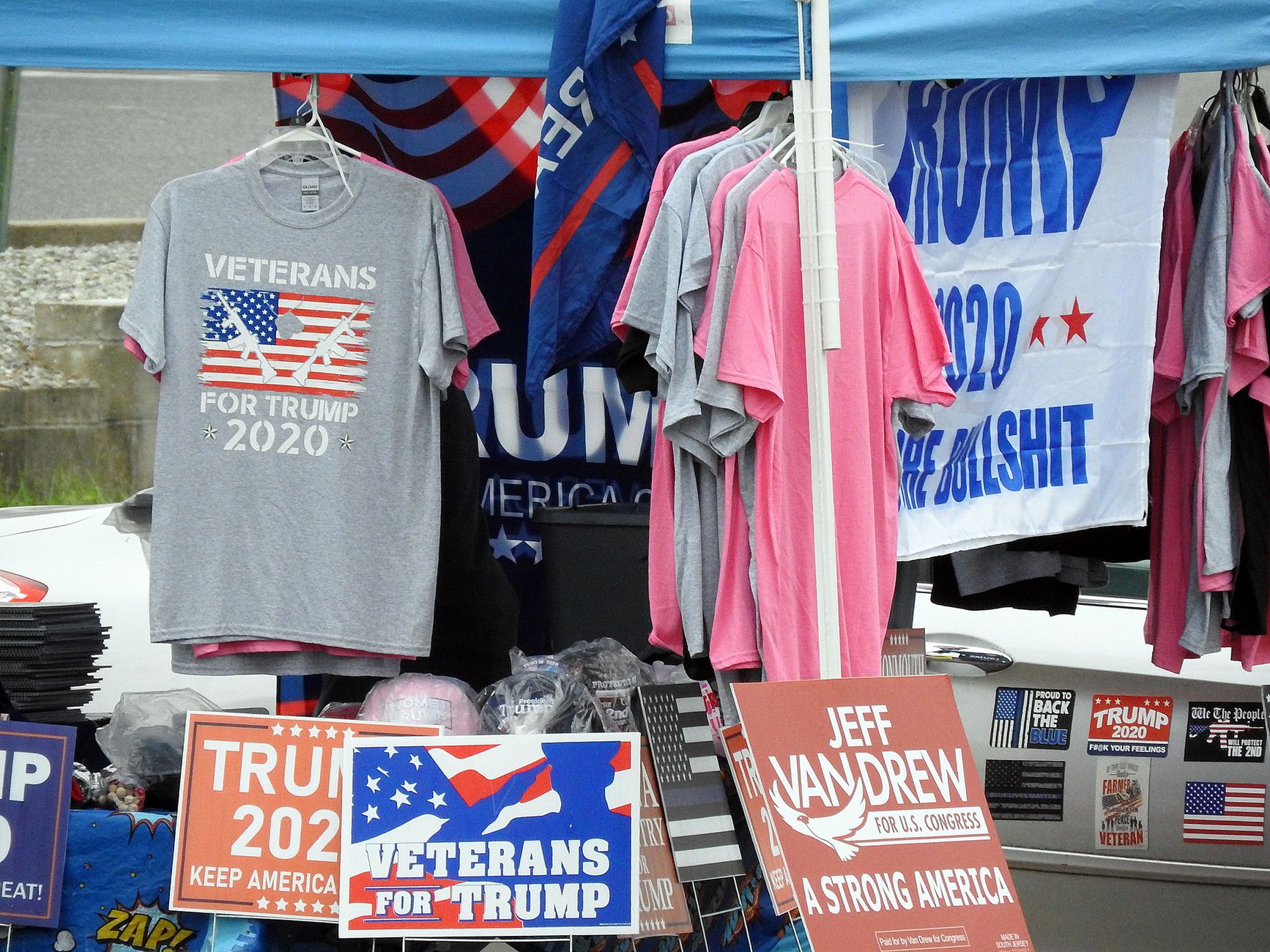
Photo by Allen Beilschmidt sr. on Pexels