
 Stephen Scott
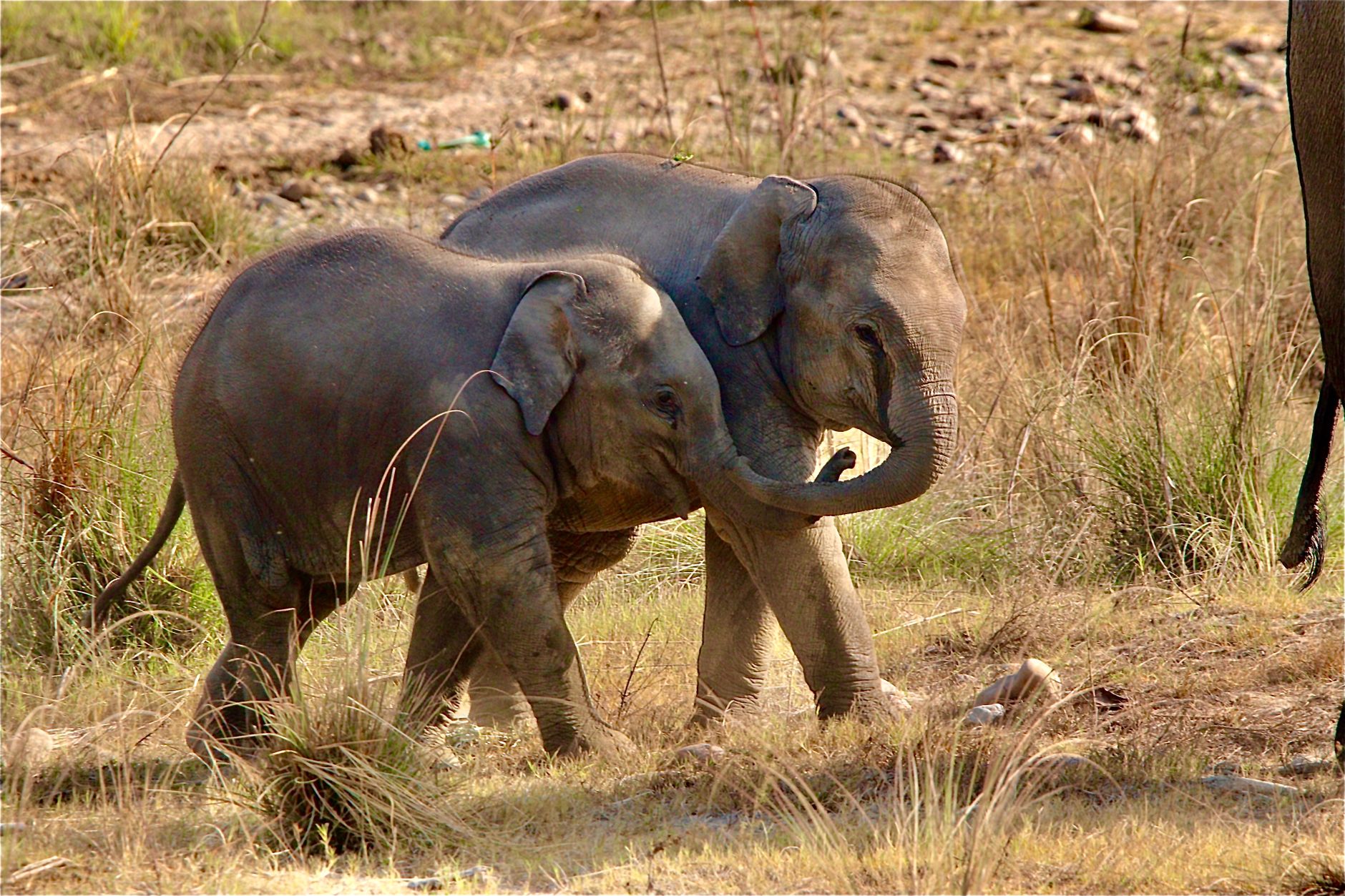
The Uttarakhand biker elephant incident has left many astonished as a motorcyclist narrowly escaped death after being stepped on twice by an elephant.
What Happened During the Incident?
In a shocking event on a highway in Uttarakhand, a biker had a close call with an elephant, an incident that has raised concerns about safety in wildlife areas. The biker, who was traveling when the elephant stepped onto the road, found himself in a perilous situation as the massive animal accidentally stepped on him not once, but twice.
Eyewitnesses reported that the biker was able to escape serious injury despite the elephant’s weight. The incident unfolded early in the morning, drawing the attention of both local residents and wildlife authorities. The biker, visibly shaken but unharmed, shared his experience shortly after the encounter.
Local authorities have since issued warnings to motorists regarding wildlife crossings, emphasizing the need for caution on roads that pass through forested areas. In light of this incident, they are urging bikers and drivers to remain vigilant and reduce speed in such zones.
Key details from the incident include:
- The biker’s miraculous escape from serious injury.
- Eyewitness accounts highlighting the elephant’s unexpected presence on the highway.
- Calls for increased awareness and safety measures for road users in wildlife corridors.
The Uttarakhand biker elephant incident serves as a reminder of the delicate balance between human activity and wildlife habitats.
Eyewitness Accounts of the Biker’s Escape
Eyewitnesses to the Uttarakhand biker elephant incident recounted a harrowing scene that unfolded on the highway. Many bystanders watched in disbelief as the biker, who was reportedly riding at a moderate speed, found himself in a precarious situation when an elephant suddenly appeared on the road.
One witness, Rajesh Kumar, described the moment, stating, “The elephant was massive. It just came out of nowhere. I could hardly believe my eyes when I saw it charging towards the biker.” According to Rajesh, the biker attempted to swerve away, but the elephant was too quick, and the collision was inevitable.
Another eyewitness, Meena Sharma, shared her perspective: “It was terrifying. The elephant stepped on him not once, but twice. I thought he was done for.” Fortunately, the biker managed to roll away, escaping with minor injuries. Meena added, “It was like a scene from a movie. I remember praying for his safety.”
Despite the chaos, the biker’s quick thinking and determination played a crucial role in his survival. Local authorities have since emphasized the need for greater awareness and safety measures on rural highways, especially in areas where wildlife frequently crosses.
Safety Tips for Riding Near Wildlife
The recent Uttarakhand biker elephant incident has raised awareness about the importance of safety when riding near wildlife. Here are some essential tips for bikers to ensure their safety while navigating areas that may be home to wild animals.
- Stay Alert: Always be vigilant and keep an eye on your surroundings. Wildlife can appear suddenly, and being prepared can make a difference.
- Reduce Speed: When riding in areas known for wildlife, slow down. Lower speeds allow for quicker reactions and provide more time to assess potential dangers.
- Use Horn Wisely: If you spot wildlife, use your horn to alert them of your presence. However, avoid startling the animals, as this may provoke unpredictable behavior.
- Avoid Night Riding: Many animals are more active at night. Riding during daylight hours reduces the risk of encounters with wildlife.
- Know the Area: Familiarize yourself with regions where wildlife is common. This knowledge can help you anticipate potential encounters.
- Keep Distance: If you see wildlife on or near the road, maintain a safe distance. Do not attempt to approach or provoke animals.
By following these guidelines, bikers can enhance their safety and reduce the chances of incidents similar to the Uttarakhand biker elephant incident.
Understanding Elephant Behavior on Highways
Understanding the behavior of elephants, especially in areas where human activity occurs, is crucial for ensuring safety on highways. Elephants are known to be intelligent and social creatures, but their movements can be unpredictable, particularly in regions like Uttarakhand where the biker elephant incident recently took place.
Elephants often migrate between feeding grounds and water sources, and their paths may cross with busy roads. Factors such as habitat loss, increasing traffic, and changing weather patterns can exacerbate the likelihood of human-elephant encounters. When elephants feel threatened or are startled, they may react aggressively, leading to dangerous situations for both humans and animals.
Moreover, elephants possess a strong sense of territoriality. If they perceive a biker or vehicle as an intrusion, it can provoke a defensive response. Understanding these behaviors can help riders prepare for unexpected encounters. It is essential for bikers to remain vigilant and drive at reduced speeds in areas known for wildlife crossings.
Education about elephant behavior, combined with awareness campaigns, can play a vital role in minimizing accidents. Both bikers and local communities must work together to create safer environments where humans and elephants can coexist peacefully.
The Uttarakhand biker elephant incident has raised significant concerns about wildlife interactions in the region. As more people flock to these areas, the need for safety measures becomes increasingly urgent in light of the Uttarakhand biker elephant incident.
Photo by Aakarsh Kohli on Pexels