 Stephen Scott
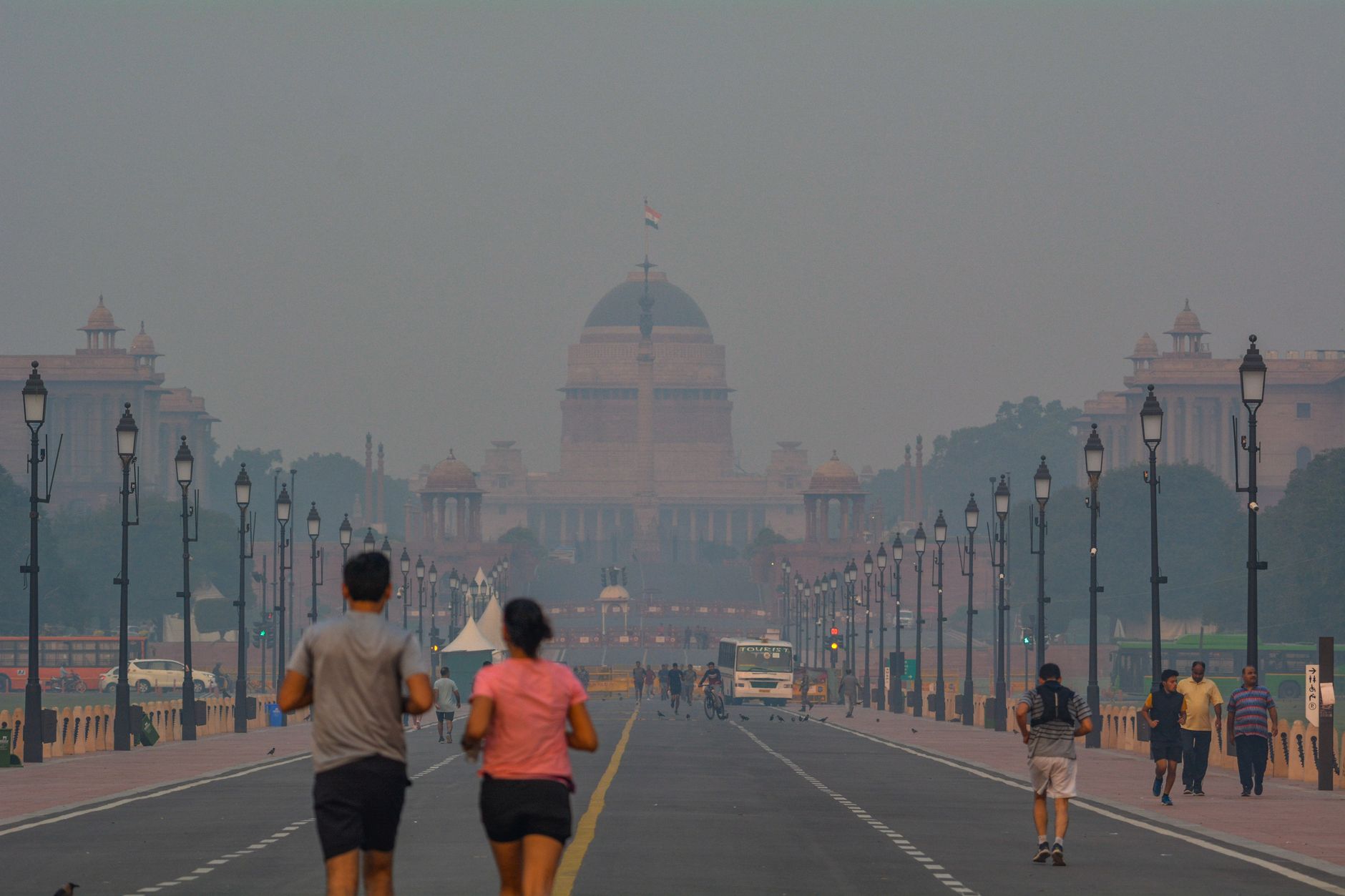
Delhi air quality is facing significant challenges today, as it is categorized as ‘poor’. Starting tomorrow, conditions are expected to worsen to ‘very poor’.
Current Air Quality in Delhi
The current air quality in Delhi has been reported as ‘poor’, according to the latest updates. As residents continue to cope with the adverse effects of pollution, experts warn that the situation may worsen. The air quality index (AQI) in various parts of the city has shown alarming levels, raising serious health concerns.
Based on recent data, the key pollutants contributing to the deteriorating air quality in Delhi include:
- Particulate Matter (PM2.5)
- Nitrogen Dioxide (NO2)
- Sulfur Dioxide (SO2)
- Carbon Monoxide (CO)
Health officials emphasize the importance of monitoring air quality closely. Residents are advised to take precautions, especially those with pre-existing health conditions. The expected transition to ‘very poor’ air quality from tomorrow adds to the urgency for preventive measures.
As the winter season progresses, the combination of weather conditions and pollution from various sources is likely to exacerbate the situation. The ongoing challenges regarding Delhi air quality continue to impact daily life, necessitating immediate action from both the government and citizens.
Health Impacts of Poor Air Quality
The deteriorating Delhi air quality poses significant health risks for its residents, particularly during the winter months when pollution levels escalate. Exposure to poor air quality is linked to a variety of health issues, which can affect vulnerable populations the most.
Health professionals emphasize that the consequences of breathing polluted air can manifest in several ways:
- Respiratory Problems: Individuals may experience increased asthma attacks, bronchitis, and other chronic respiratory diseases.
- Cardiovascular Issues: Prolonged exposure to high levels of air pollution is associated with heart diseases and can lead to increased mortality rates.
- Reduced Lung Function: Children and adolescents are at risk of developing reduced lung capacity, impacting their overall health as they grow.
- Mental Health Effects: Studies suggest that poor air quality can also negatively affect mental health, contributing to anxiety and depression.
As the air quality in Delhi deteriorates, it is imperative for residents to take precautions, such as wearing masks and using air purifiers, to mitigate these health risks.
Government Response to Air Pollution
The Delhi government has taken several steps in response to the alarming air quality levels that continue to affect the city. With the current air quality categorized as ‘poor’ and forecasts predicting it may plunge to ‘very poor’ levels, officials are working to implement immediate measures.
- Graded Response Action Plan (GRAP): The government has activated GRAP, which includes restrictions on construction activities, increased mechanized sweeping, and the shutting down of coal-based power plants.
- Awareness Campaigns: Authorities are running awareness programs to educate citizens about the health risks associated with poor air quality and promoting the use of public transport.
- Monitoring Stations: The number of air quality monitoring stations has been increased, providing real-time data to help in strategizing effective responses to the deteriorating situation.
Officials urge residents to limit outdoor activities, especially the elderly and those with pre-existing health conditions. In light of the ongoing crisis, the need for stringent measures to combat air pollution has never been more pressing, as the focus on improving Delhi air quality intensifies.
Forecast for Delhi’s Air Quality
The forecast for Delhi’s air quality indicates a worrying trend as pollution levels are expected to worsen in the coming days. Today, the air quality is categorized as ‘poor,’ but experts warn that it may deteriorate to ‘very poor’ levels starting tomorrow. This shift is attributed to a combination of factors, including weather conditions and increased emissions from vehicles and construction activities.
According to environmental scientists, the situation could lead to significant health risks for residents, especially vulnerable populations such as children, the elderly, and those with pre-existing health conditions. It is crucial for individuals to take precautions, particularly when engaging in outdoor activities.
In light of these predictions, authorities are urging the public to stay informed and adopt necessary measures to protect their health. Recommendations include:
- Limiting outdoor exposure during peak pollution hours.
- Using air purifiers indoors.
- Wearing masks designed to filter out particulate matter.
As the forecast for Delhi’s air quality remains concerning, continuous monitoring and public awareness are essential to mitigate the impact of poor air quality on the health of its residents.
Comparative Analysis of Air Quality
The comparative analysis of air quality in Delhi reveals alarming trends that highlight the ongoing challenges faced by the city. According to data from recent days, the air quality index (AQI) has consistently hovered in the ‘poor’ to ‘very poor’ categories, with significant fluctuations influenced by factors such as weather conditions and local emissions.
On November 16, 2026, the AQI reached a troubling score of 300, leading health authorities to issue advisories for vulnerable populations. In contrast, just a month earlier, the average AQI was reported at 250, indicating a deterioration in air quality. This consistent trend raises concerns about the long-term implications for public health and environmental sustainability.
Key contributors to the worsening Delhi air quality include:
- Increased vehicular emissions
- Construction dust
- Industrial discharge
- Seasonal burning of crop residues in neighboring states
As residents brace for potentially ‘very poor’ air quality in the coming days, it is crucial for authorities to implement more effective measures to combat air pollution.
Public Awareness and Safety Measures
As Delhi grapples with deteriorating air quality, public awareness and safety measures become essential in mitigating health risks associated with pollution. Residents are urged to stay informed about the daily air quality index (AQI) and to adopt necessary precautions, particularly on days marked by ‘poor’ or ‘very poor’ air quality.
Experts recommend several protective measures:
- Limit Outdoor Activities: When the AQI is categorized as ‘poor,’ it is advisable to minimize outdoor exposure, especially for vulnerable groups such as children, the elderly, and those with pre-existing health conditions.
- Use Masks: Wearing N95 masks can help filter out harmful particles, providing an additional layer of protection when going outside.
- Keep Indoor Air Clean: Utilizing air purifiers and ensuring good ventilation can help mitigate the risk of indoor pollution.
- Stay Hydrated: Drinking plenty of water can aid in alleviating some of the respiratory discomfort caused by poor air quality.
Public education campaigns are crucial in fostering a more informed community that can better navigate the challenges posed by Delhi’s air quality issues.
Tips for Staying Safe in Poor Air
As Delhi continues to grapple with poor air quality, it is essential for residents to take precautions to protect their health. Here are some tips for staying safe in poor air:
- Stay Indoors: Limit outdoor activities, especially during peak pollution hours, typically early morning and late evening.
- Use Air Purifiers: Invest in a good quality air purifier with a HEPA filter to help reduce indoor air pollution.
- Wear Masks: If you must go outside, consider using N95 masks to filter out harmful particles in the air.
- Keep Windows Closed: To prevent outdoor air from entering your home, keep windows and doors closed, especially on days with poor air quality.
- Monitor Air Quality: Stay updated on the latest air quality index (AQI) reports and adjust your activities accordingly.
- Stay Hydrated: Drink plenty of water to help your body flush out toxins.
- Consult a Doctor: If you experience any respiratory issues, seek medical advice promptly.
By following these guidelines, residents can minimize the health risks associated with the deteriorating Delhi air quality.
Future Projections for Delhi Air Quality
As concerns about Delhi air quality continue to escalate, future projections indicate a challenging landscape ahead. Meteorological data suggests that the upcoming months may bring worsening conditions, particularly during the winter season when pollution levels typically peak.
According to environmental experts, several factors will contribute to the deteriorating air quality:
- Increased Construction Activities: Ongoing infrastructure projects are expected to generate significant dust and particulate matter.
- Burning of Biomass: Agricultural burning in neighboring states is likely to exacerbate the air quality crisis, especially in November and December.
- Weather Patterns: Stagnant weather conditions can trap pollutants close to the ground, preventing dispersion and leading to severe smog formation.
- Urban Emissions: Traffic and industrial emissions are projected to remain high, contributing further to the poor air quality levels.
In light of these projections, residents are advised to stay informed about daily air quality indices and take necessary precautions to mitigate health risks associated with Delhi’s air pollution.
Today, the Delhi air quality has reached alarming levels, making it one of the worst days for residents. As authorities scramble to address the situation, understanding the factors affecting Delhi air quality is crucial for future improvements.
Photo by Saakshi Yadav on Pexels