
 Stephen Scott
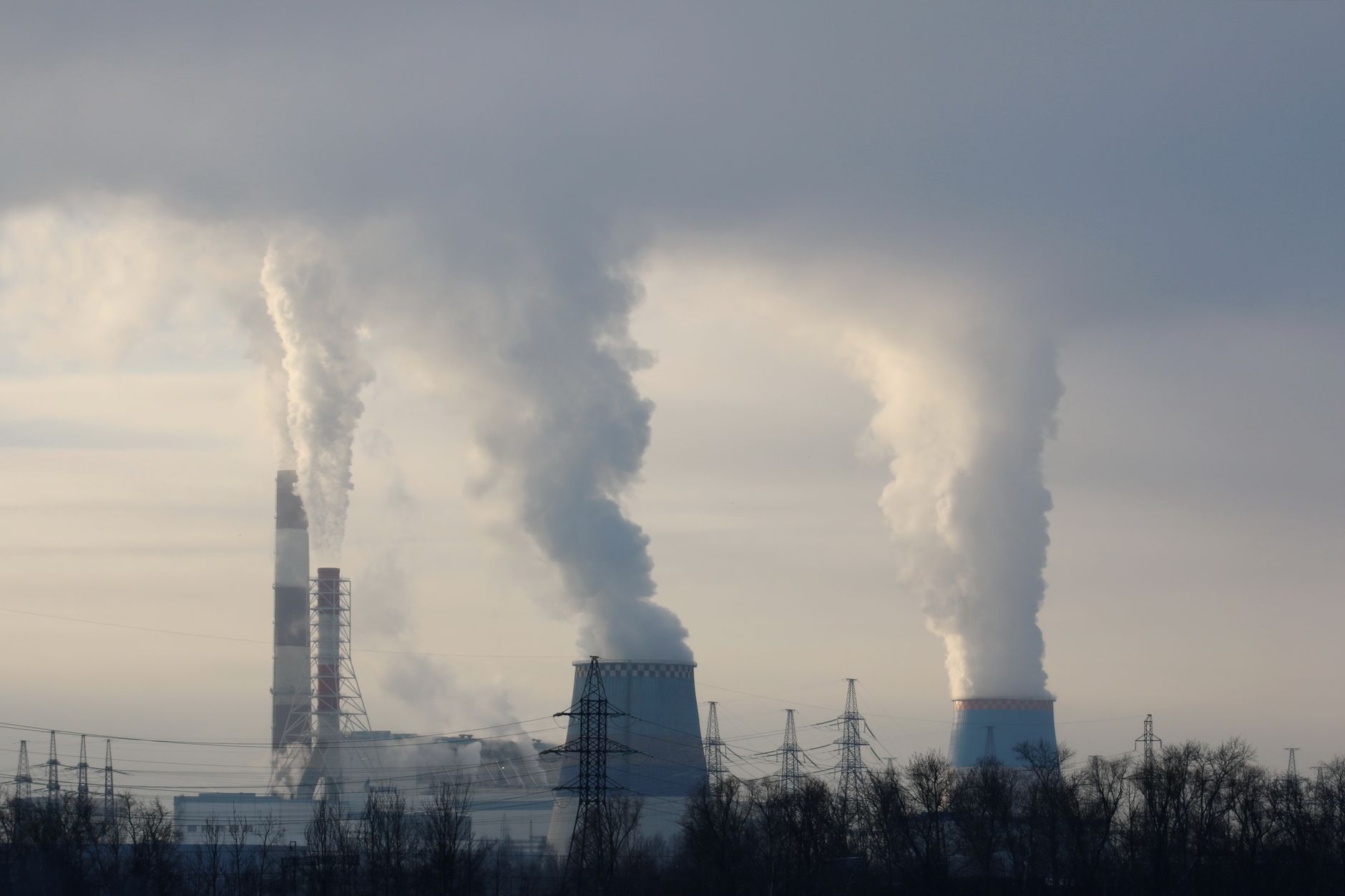
The Russia energy crisis has reached alarming levels, prompting the country to mass-import fuel and seek low-grade alternatives for its pump stations. This situation reflects the severe challenges facing its energy sector.
Understanding the Russia Energy Crisis
The Russia energy crisis has escalated dramatically, forcing the country to seek alternative fuel sources to sustain its infrastructure. This situation arose due to a combination of international sanctions and a decrease in domestic production capabilities. As a result, Russia is now importing significant amounts of fuel, a stark turn from its previous status as a leading energy exporter.
One of the most alarming aspects of the crisis is the shift towards low-grade fuels for critical pump stations. This change indicates not only a desperation to maintain operations but also raises concerns about potential safety and environmental hazards. The reliance on inferior fuel may lead to increased wear and tear on machinery and infrastructure, potentially resulting in wider systemic issues.
Furthermore, this crisis affects not just Russia but also global energy markets, as countries closely monitor the situation. The ripple effects could lead to higher prices and supply shortages in regions dependent on Russian energy resources. Stakeholders are urged to consider the long-term implications as the crisis continues to unfold.
The Impact of Fuel Imports on Russia
The ongoing Russia energy crisis has significantly affected the nation’s fuel import strategies, forcing the government to adapt to a challenging economic landscape. As domestic production falters, the reliance on imported fuel has increased, leading to a complex situation.
Several key factors contribute to the impact of fuel imports on Russia:
- Economic Sanctions: Restrictions imposed by Western nations have limited Russia’s ability to export crude oil and natural gas, prompting a search for alternative sources.
- Domestic Supply Issues: A decline in domestic production and refining capabilities has led to shortages, making imports necessary to stabilize fuel availability.
- Quality Concerns: In response to the crisis, Russia has turned to low-grade fuel options for pump stations, raising concerns about efficiency and environmental impacts.
As the situation evolves, it remains crucial for Russia to navigate these challenges effectively to mitigate the full consequences of its energy crisis.
Low-Grade Fuel: A Viable Solution?
As the Russia energy crisis deepens, experts are exploring unconventional solutions to address fuel shortages. One such option gaining attention is the use of low-grade fuel. This type of fuel, often considered subpar, has the potential to alleviate some of the pressure on fuel imports.
Low-grade fuel can be produced more easily and at a lower cost compared to traditional fuel sources. However, its viability depends on several factors:
- Compatibility: Pump stations must be equipped to handle low-grade fuel without causing damage to their systems.
- Efficiency: The energy output of low-grade fuel may not meet the demands of all vehicles, potentially leading to performance issues.
- Environmental Impact: Concerns about emissions and pollutants from low-grade fuels could complicate their adoption.
While low-grade fuel may not be the ideal solution, it offers a temporary measure that could help mitigate the immediate effects of the ongoing crisis. As Russia navigates its challenging energy landscape, innovative approaches like this may become increasingly prevalent.
Global Reactions to Russia’s Energy Situation
The global reaction to the ongoing Russia energy crisis has been one of concern and urgency. Countries around the world are closely monitoring the situation as Russia struggles to import sufficient fuel to meet its domestic needs.
Many nations have expressed solidarity with the Russian populace, highlighting the humanitarian implications of the energy shortages. Key reactions include:
- European Union: The EU has reiterated its commitment to reducing dependency on Russian energy, while also offering support to member states affected by rising fuel prices.
- United States: The U.S. has implemented measures to provide alternative energy sources to nations affected by the crisis, seeking to stabilize global markets.
- China: China has taken a cautious approach, balancing its energy needs with its diplomatic relationship with Russia, emphasizing collaboration in energy sectors.
As the crisis unfolds, analysts suggest that the geopolitical landscape may shift, with countries reassessing their energy strategies to mitigate the impacts of Russia’s fuel import challenges.
The Russia energy crisis has prompted many countries to reevaluate their dependency on Russian fuel imports. As the situation escalates, the implications of the Russia energy crisis are becoming increasingly evident across global markets.
Photo by Aleksandr Slavich on Pexels