
 Stephen Scott
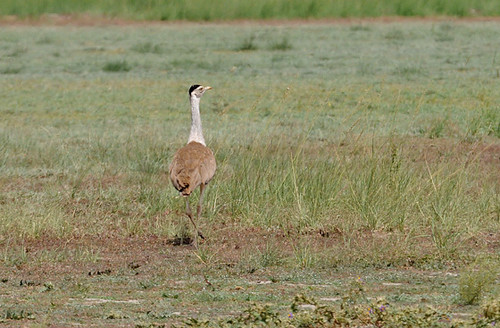
Great Indian Bustard conservation is vital for preserving our natural heritage. This article explores the challenges and strategies involved in protecting this iconic species.
The Importance of Great Indian Bustard Conservation
The Great Indian Bustard, an iconic bird endemic to the Indian subcontinent, faces severe threats due to habitat loss, poaching, and human encroachment. Its conservation is crucial for several reasons.
First, the Great Indian Bustard is a keystone species, playing a vital role in maintaining the ecological balance of its habitat. Protecting this bird contributes to the overall health of grassland ecosystems, which support a myriad of other flora and fauna.
Moreover, the conservation of the Great Indian Bustard can enhance biodiversity. By safeguarding its habitat, we ensure the survival of numerous other species that share the same ecosystem. This interconnectedness highlights the importance of a holistic approach to wildlife conservation.
Additionally, involving local communities in Great Indian Bustard conservation initiatives can foster sustainable development. When people understand the value of preserving such species, they are more likely to engage in protective measures, thus creating a win-win situation for both wildlife and human populations.
Lastly, the Great Indian Bustard serves as a symbol of India’s natural heritage. Its decline could signify broader environmental issues, making its conservation a matter of national pride and responsibility.
Challenges Facing the Great Indian Bustard
The Great Indian Bustard, once widespread across the Indian subcontinent, is now critically endangered, facing numerous challenges that complicate conservation efforts. One of the primary threats is habitat loss due to agricultural expansion and urban development, which has drastically reduced its natural environment.
Additionally, poaching remains a significant concern. Despite legal protections, the bird is targeted for its feathers and meat, which adds pressure to its dwindling population. Moreover, the use of power lines in its habitat leads to accidental collisions, further decreasing its numbers.
Another challenge is the fragmentation of populations, making it difficult for the Great Indian Bustard to find mates and maintain genetic diversity. Conservationists are also grappling with the impact of climate change, which can alter the landscapes and food sources crucial for the species’ survival.
Efforts to address these challenges include establishing protected areas and conducting awareness programs. However, the question remains: is the current focus on Great Indian Bustard conservation enough to ensure its survival, or will more comprehensive measures be required to combat the multifaceted threats it faces?
Effective Rewilding Strategies
Effective rewilding strategies are crucial for the successful conservation of the Great Indian Bustard. These strategies aim to restore and enhance natural habitats, ensuring the survival of this critically endangered species.
Several key approaches have emerged as particularly effective:
- Habitat Restoration: This involves reclaiming and rehabilitating grasslands that have been degraded due to agricultural expansion and urban development. By creating suitable habitats, we can provide essential breeding and foraging grounds for the Great Indian Bustard.
- Community Engagement: Involving local communities in conservation efforts fosters a sense of ownership and responsibility. Educating residents about the importance of the Great Indian Bustard can lead to collaborative initiatives aimed at protecting their habitats.
- Predator Management: Implementing strategies to manage natural predators helps reduce threats to the Great Indian Bustard population. This can include monitoring predator activities and creating safe zones where bustards can thrive.
- Monitoring and Research: Continuous research and monitoring of the Great Indian Bustard populations and their habitats are essential. This data aids in making informed decisions for future conservation actions.
Overall, these effective rewilding strategies play a pivotal role in the ongoing efforts for Great Indian Bustard conservation.
Predator Management Techniques for Wildlife
Effective predator management techniques are crucial for the conservation of the Great Indian Bustard. As the species faces numerous threats, including habitat loss and predation, understanding how to mitigate these challenges is essential.
One of the primary methods involves the careful monitoring of predator populations to assess their impact on Great Indian Bustard nests and young. By identifying key predator species, conservationists can implement targeted control measures. These measures may include:
- Habitat Modification: Altering the landscape to make it less conducive for predators to thrive.
- Exclusion Fencing: Installing barriers around nesting sites to protect them from ground predators.
- Population Control: Managing predator numbers through regulated hunting or relocation efforts.
- Predator Deterrents: Using auditory or visual deterrents to keep predators away from critical habitats.
Furthermore, collaboration with local communities is vital to enhance awareness and support for Great Indian Bustard conservation. Engaging with residents can foster coexistence strategies that protect both the bustards and the local ecosystem. By prioritizing these predator management techniques, conservation efforts can create a safer environment for the Great Indian Bustard, ultimately contributing to its survival.
Great Indian Bustard conservation efforts are crucial not only for the survival of this species but also for the preservation of its habitat. By investing in Great Indian Bustard conservation, we can ensure a healthier ecosystem that benefits both wildlife and local communities.
By Koshyk via Openverse