 Stephen Scott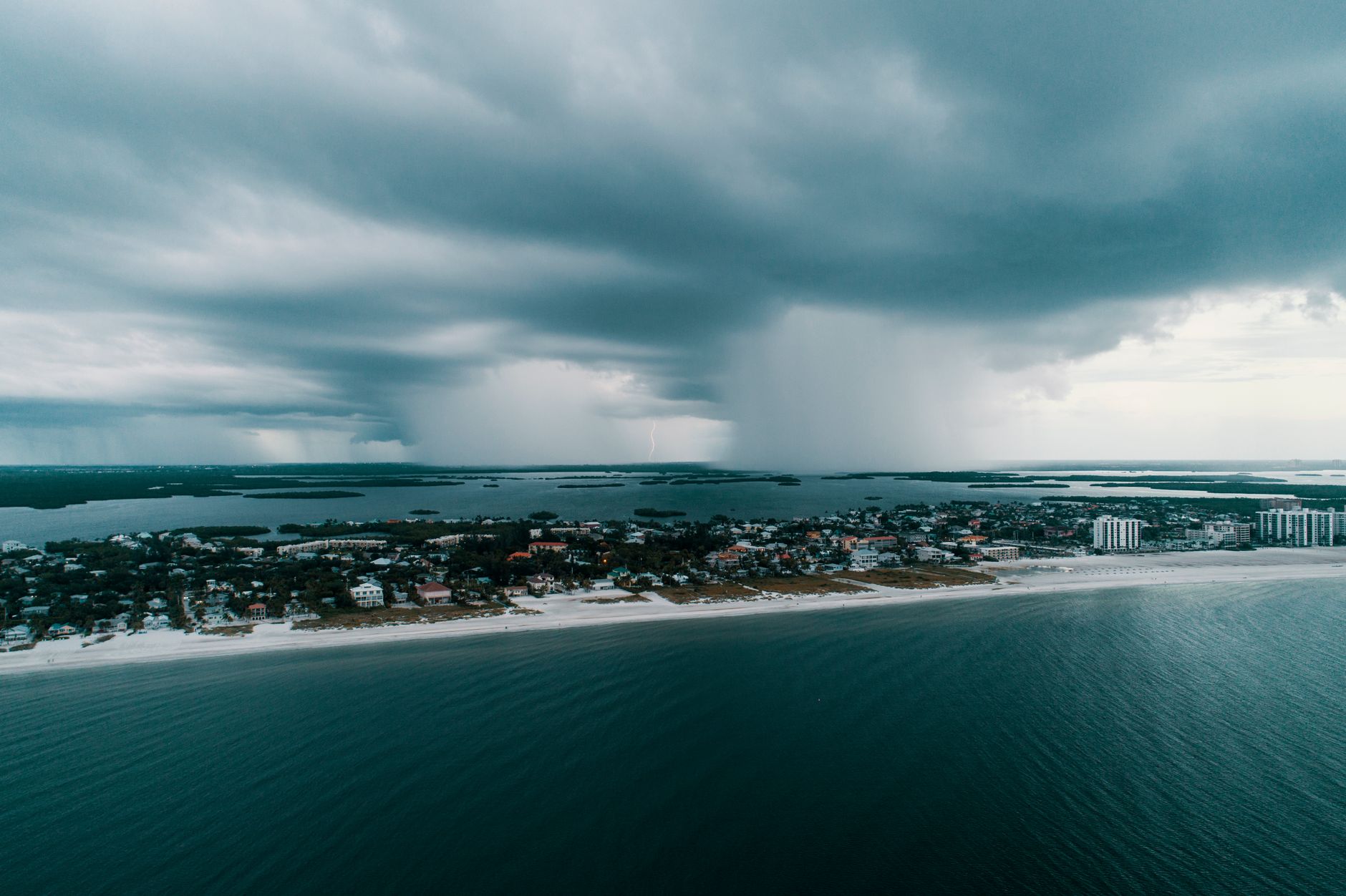
The record-late hurricane season is raising concerns as there have been no hurricanes yet this year. This unprecedented delay highlights the changing dynamics of Atlantic weather patterns.
Understanding the Record-Late Hurricane Season
The 2023 Atlantic hurricane season has made history by experiencing a record-late start, with no hurricanes forming as of mid-October. This unprecedented delay raises concerns among meteorologists and residents in coastal areas alike.
Typically, the hurricane season runs from June 1 to November 30, peaking from August to October. However, this year, factors such as unusually high sea surface temperatures and anomalous atmospheric conditions have contributed to a sluggish start.
Experts are analyzing several elements that may be influencing this record-late hurricane season:
- El Niño’s Impact: The presence of El Niño conditions can suppress hurricane activity.
- Wind Shear: Increased wind shear in the Atlantic can inhibit storm development.
- Climate Change: Ongoing climate change may alter traditional patterns of hurricane formation.
As the season progresses, meteorologists remain vigilant, hoping for a shift that could signal increased storm activity.
Impacts of Climate Change on Hurricanes
The impacts of climate change on hurricanes are becoming increasingly evident, especially during this record-late hurricane season. As global temperatures rise, the conditions that fuel hurricane formation are becoming more unpredictable.
Scientists have identified several key factors that contribute to the changing dynamics of hurricanes:
- Warmer Ocean Temperatures: Higher sea surface temperatures provide more energy for storms, potentially leading to more intense hurricanes.
- Increased Humidity: A warmer atmosphere holds more moisture, which can enhance rainfall and storm intensity.
- Shifting Wind Patterns: Changes in wind currents can affect the paths and development of hurricanes, leading to unusual and unexpected storm trajectories.
- Rising Sea Levels: Higher sea levels increase the risk of flooding from storm surges, impacting coastal communities.
As the Atlantic season sets a record-late start with no hurricanes yet, these climate-related factors raise concerns about what the rest of the season may hold. The combination of these elements suggests that we may face unprecedented challenges in managing and responding to hurricanes in the future.
What to Expect This Season
This year’s hurricane season is shaping up to be unprecedented, as meteorologists warn of a record-late hurricane season. With the Atlantic hurricane season typically peaking in late summer, the absence of any storms thus far raises concerns about what may lie ahead.
As we move further into the season, experts predict several possibilities:
- Increased Storm Intensity: If hurricanes do form, they may be more intense due to warmer ocean temperatures.
- Late-Season Activity: A surge in hurricane formation could occur later in the season, creating a rush of storms.
- Potential for Unpredictability: The unusual start may lead to unpredictable weather patterns, making forecasting more challenging.
It is essential for residents in hurricane-prone areas to remain vigilant, as the later arrival of storms does not lessen their potential for destruction. Preparedness and awareness are crucial as we navigate this record-late hurricane season.
Historical Context of Hurricane Seasons
The historical context of hurricane seasons provides insight into the unusual circumstances we are witnessing. Typically, the Atlantic hurricane season begins on June 1 and runs through November 30. However, the current record-late hurricane season has demonstrated unprecedented patterns, with no hurricanes forming as of mid-October.
In the past, seasons have shown a variety of trends, with some years experiencing early storms and others progressing silently into late summer. Notable years such as 2005 and 2017 saw multiple hurricanes forming early, while 2020 was marked by an unusually active period.
Experts have noted that while certain years may deviate from the norm, the current situation represents a stark contrast to historical data. The record-late hurricane season not only highlights the shifting dynamics of storm formation but also raises concerns regarding preparedness and response efforts.
To understand the significance of this season, it is essential to evaluate past hurricane patterns and analyze how changing climate conditions may be reshaping expectations.
Photo by Josh Sorenson on Pexels