 Stephen Scott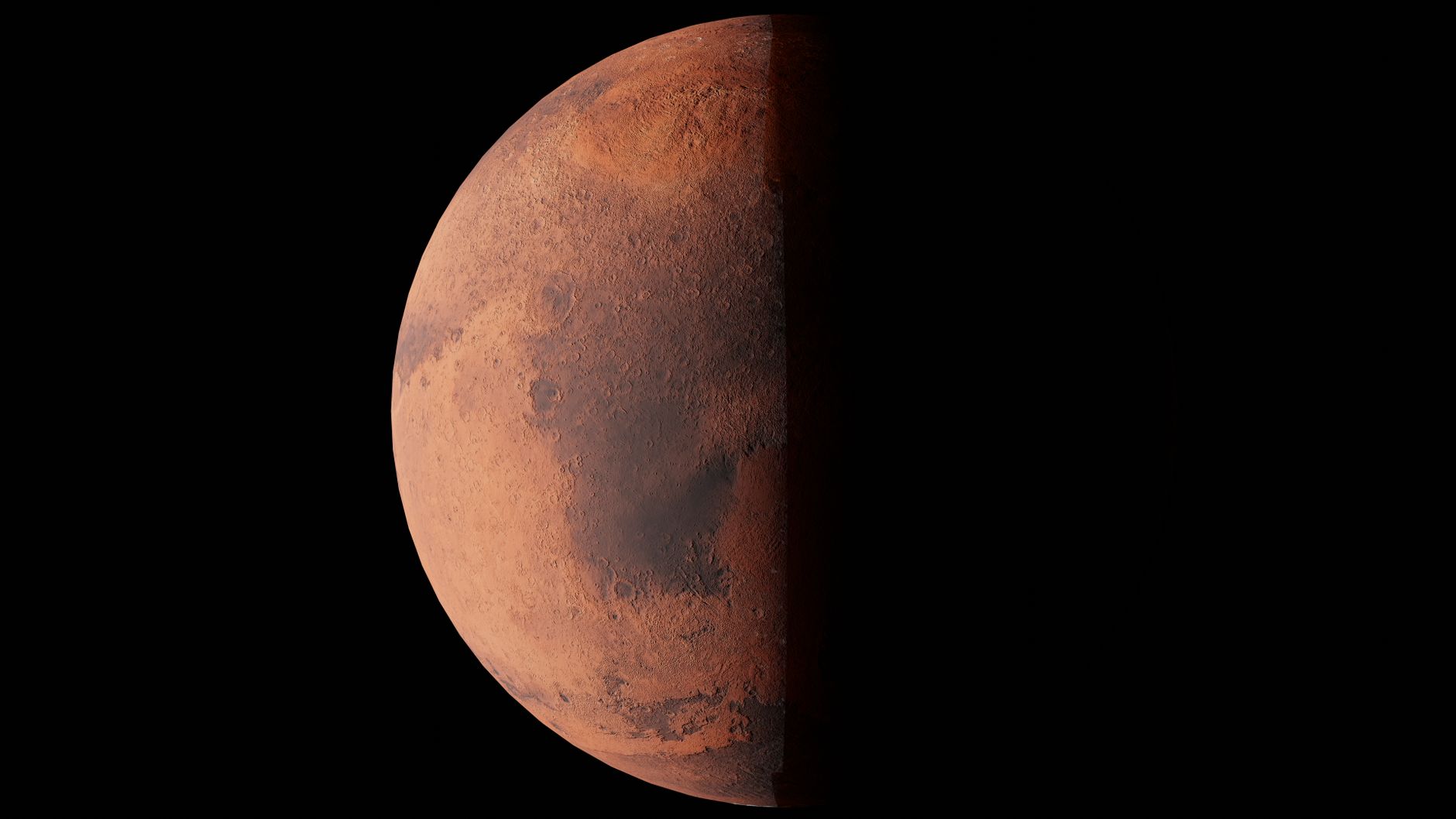
The Mars breathing phenomenon has been unveiled by Indian scientists, showcasing how temperature fluctuations impact the Red Planet’s surface.
Understanding the Mars breathing phenomenon
The concept of the Mars breathing phenomenon refers to the planet’s unique atmospheric changes that occur in response to temperature fluctuations. This phenomenon has intrigued scientists for years, leading to various studies aimed at understanding its implications for both the Martian environment and potential future explorations.
Recent research conducted by Indian scientists has shed light on how these changes manifest. As temperatures on Mars rise and fall, the atmosphere expands and contracts, resulting in a dynamic interplay of gases. This process can be likened to breathing, hence the term “Mars breathing.”
- Temperature Variations: The Martian surface experiences extreme temperature shifts, which cause the atmosphere to respond accordingly.
- Gas Composition: The primary gases involved in this phenomenon include carbon dioxide and water vapor, which play critical roles in the planet’s climate system.
- Impact on Exploration: Understanding this breathing phenomenon is essential for future missions, as it affects atmospheric conditions and spacecraft operations.
These insights not only deepen our comprehension of Mars but also enhance our readiness for exploring the Red Planet’s mysteries.
Temperature variations on Mars
The discoveries made by Indian scientists regarding the Mars breathing phenomenon have shed light on significant temperature variations across the Red Planet. Research indicates that these fluctuations can reach extremes, impacting both the surface and atmospheric conditions. The temperature on Mars can vary drastically, with daytime highs soaring to around 20 degrees Celsius, while nighttime lows can plummet to minus 73 degrees Celsius.
These temperature changes are not just a seasonal occurrence but are influenced by several factors:
- Diurnal cycles: The rotation of Mars affects how heat is distributed across its surface.
- Seasonal shifts: The elliptical orbit of Mars results in varying distances from the Sun, leading to seasonal temperature changes.
- Geographical features: The presence of large volcanoes and canyons creates microclimates that can alter local temperatures.
Understanding these variations is crucial in comprehending the Mars breathing phenomenon, as they reveal how the planet’s surface reacts to solar radiation and atmospheric dynamics.
Insights from Indian scientists
Recent research conducted by Indian scientists has shed light on the intriguing Mars breathing phenomenon, revealing how temperature fluctuations impact the Martian landscape. This groundbreaking study highlights how the planet’s surface expands and contracts with daily and seasonal temperature changes, offering new insights into its geological activity.
The team utilized advanced simulations and observational data from Mars missions to analyze the effects of temperature variations on the Martian crust. Their findings suggest that these expansions and contractions may contribute to the planet’s erosion and impact its atmosphere.
To better understand this phenomenon, the researchers focused on several key factors:
- Thermal expansion: The study examined how materials on Mars respond to temperature changes.
- Seasonal cycles: It investigated how different seasons affect the rate of expansion and contraction.
- Geological implications: The results could provide clues about Mars’ past climate and potential for habitability.
Overall, this research marks a significant step in understanding the dynamic processes shaping the Red Planet.
Implications for future Mars missions
The recent discoveries regarding the Mars breathing phenomenon provide valuable insights that could significantly impact future Mars missions. Understanding how the planet “breathes” in response to temperature fluctuations reveals crucial information about its surface and atmosphere. This knowledge can aid scientists in selecting optimal landing sites for exploration, ensuring that missions are directed towards regions with the highest potential for discovery.
Moreover, the data gathered from these findings can enhance the design of habitats and rovers that will operate on the Martian surface. By considering the temperature variations that lead to the breathing effect, engineers can develop equipment that is better suited to withstand the harsh conditions of Mars.
Additionally, the implications extend to the search for past or present life on the planet. The understanding of how temperature changes affect Martian terrain can inform strategies for locating signs of water sources or organic materials, which are essential in the quest for life beyond Earth.
In summary, the insights gained from studying the Mars breathing phenomenon are pivotal for advancing our exploration efforts and enhancing our understanding of the Red Planet.
Comparing Mars and Earth climates
The climates of Mars and Earth exhibit significant differences, yet they share some intriguing similarities. Both planets experience seasonal changes, but the mechanisms driving these fluctuations vary widely.
On Earth, climate patterns are largely influenced by the presence of liquid water and a protective atmosphere. In contrast, Mars, with its thin atmosphere and frigid conditions, relies on the Mars breathing phenomenon to regulate its surface characteristics. This phenomenon is characterized by the expansion and contraction of the Martian surface as temperatures shift, leading to a unique set of weather patterns.
Key differences include:
- Atmospheric composition: Earth’s atmosphere is rich in nitrogen and oxygen, while Mars has a carbon dioxide-dominated atmosphere.
- Temperature extremes: Mars experiences more severe temperature fluctuations, ranging from -125°C during winter to 20°C in summer.
- Water presence: Earth is abundant in liquid water, whereas Mars shows evidence of past water flow but currently has only ice.
These contrasts highlight the challenges in understanding Martian climate dynamics and the importance of ongoing research.
Recent discoveries in space exploration
Recent discoveries in space exploration have shed light on the intriguing phenomenon often referred to as the Mars breathing phenomenon. Recent data collected by various space missions indicate that the Martian surface undergoes significant changes with fluctuating temperatures. These changes are not merely superficial; they extend to the planet’s atmosphere and structure.
One major finding highlights the cyclic nature of these temperature variations, which can lead to the expansion and contraction of Martian soil. As temperatures rise during the day, the surface may experience a slight swelling, while the cooler nighttime temperatures cause it to contract. This dynamic could have implications for the planet’s geology and potential habitability.
Furthermore, scientists have observed the impact of these phenomena on atmospheric pressure. The interaction between the surface and atmosphere is a key area of study, as it may influence weather patterns and seasonal changes on Mars.
- Understanding surface dynamics
- Effects on atmospheric conditions
- Potential implications for future explorations
These discoveries underscore the significance of ongoing research in unraveling the mysteries of Mars.
The future of Martian research
The future of Martian research holds exciting prospects as scientists delve deeper into the Mars breathing phenomenon. With the recent revelations from Indian researchers, the understanding of how the Red Planet’s surface reacts to temperature fluctuations is set to transform our approach to planetary studies.
One of the primary focuses will be on utilizing advanced remote sensing technologies to monitor Martian climate dynamics. These tools can provide invaluable data on surface changes and atmospheric interactions, further elucidating the breathing cycles of Mars.
Additionally, missions like the Mars Sample Return are becoming crucial. By collecting and analyzing samples, scientists can gain firsthand insights into the geological and atmospheric processes that govern the planet. This could lead to breakthroughs in understanding potential habitability or past life.
Moreover, international collaboration among space agencies will be essential. Sharing knowledge and resources can accelerate research efforts and unveil new mysteries of Mars. As scientists continue to study this intriguing phenomenon, the potential for groundbreaking discoveries about our neighboring planet grows exponentially.
The recent study on the Mars breathing phenomenon has shed light on the planet’s atmospheric changes. Researchers believe that the Mars breathing phenomenon could have significant implications for future exploration efforts.
Photo by Zelch Csaba on Pexels