
 Stephen Scott
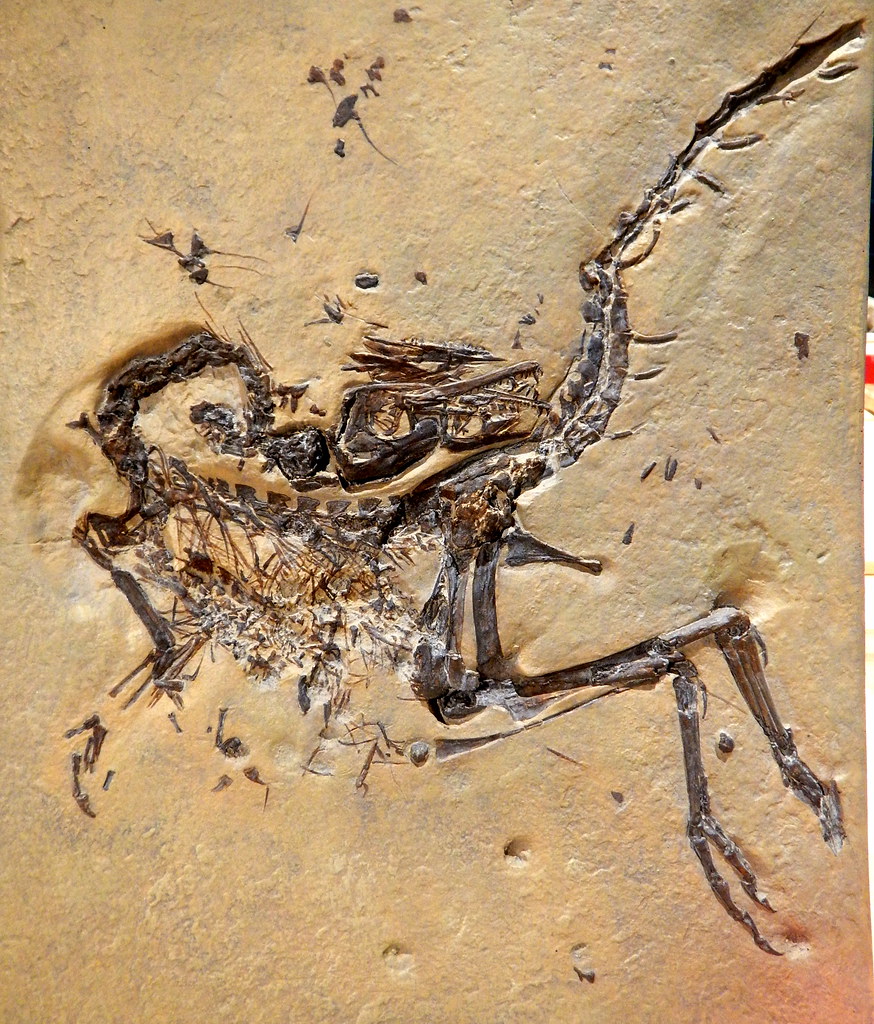
new dinosaur species have been uncovered from fossils at brickworks in England, shedding light on the creatures that roamed the wetlands 125 million years ago.
What We Know About the New Dinosaur Species
Recent discoveries in England have unveiled a fascinating new dinosaur species that roamed the wetlands approximately 125 million years ago. These findings were made possible by fossils unearthed from local brickworks, shedding light on a previously unknown aspect of the region’s prehistoric life.
Researchers have identified key characteristics of this new dinosaur species, offering insights into its size, diet, and habitat. Preliminary analysis suggests that it was a large herbivore, likely feeding on the abundant vegetation of its environment. The dinosaur’s unique skeletal structure indicates it adapted well to the wetland ecosystem.
In addition to its physical traits, this discovery can help scientists understand the evolutionary history of dinosaurs in England. The fossils provide a vital link between known species and contribute to the broader narrative of how these prehistoric creatures thrived during the Early Cretaceous period.
Overall, the identification of this new dinosaur species represents a significant advancement in paleontological research and highlights the importance of ongoing fossil exploration.
The Importance of Fossil Discoveries
Fossil discoveries play a crucial role in enhancing our understanding of prehistoric life, particularly with the recent findings of a new dinosaur species in England’s wetlands. These fossils, uncovered from brickworks, offer a glimpse into the diverse ecosystems that existed 125 million years ago. Each discovery provides invaluable data that helps paleontologists reconstruct the behavior, diet, and environment of these ancient creatures.
Moreover, such findings stimulate interest in paleontology and promote educational outreach, allowing the public to engage with the wonders of natural history. The excitement surrounding a new dinosaur species ignites curiosity, encouraging future generations to explore careers in science and research.
The implications of these discoveries extend beyond academia; they contribute to our understanding of evolution and biodiversity. As more fossils are uncovered, we can better appreciate the complexity of life on Earth and the processes that have shaped it over millions of years.
How Brickworks Uncovered Ancient Creatures
Recent excavations at brickworks in England have led to the extraordinary discovery of a new dinosaur species that roamed the wetlands approximately 125 million years ago. These sites, typically associated with industrial activities, have proven to be treasure troves for paleontologists.
The unearthing of fossils in these areas is not merely an accident; rather, it highlights the significance of urban development in revealing ancient life forms. The discovery process involved:
- Excavating layers of sediment: Workers uncovered well-preserved fossils while extracting clay for brick production.
- Collaboration with scientists: Paleontologists worked alongside brickworks teams to ensure important finds were documented and studied.
- Public engagement: The local community has shown great interest and excitement in these findings, fostering a deeper appreciation for natural history.
This new dinosaur species adds to our understanding of prehistoric ecosystems in England and demonstrates how seemingly ordinary locations can yield extraordinary discoveries.
Insights into England’s Prehistoric Wetlands
Recent discoveries have shed light on England’s prehistoric wetlands, revealing a fascinating ecosystem that existed 125 million years ago. These wetlands were home to a variety of unique species, including the newly identified dinosaur species that has captured the attention of paleontologists worldwide.
Fossilized remains unearthed from brickworks have provided invaluable insights into the ancient environment. The deposits indicate that these wetlands were rich in biodiversity, featuring not only dinosaurs but also numerous plants and aquatic life that thrived in the lush landscape.
Key characteristics of this ecosystem included:
- Diverse Flora: The presence of various plant species supported herbivorous dinosaurs.
- Water Bodies: Numerous lakes and swamps provided habitats for both land and aquatic creatures.
- Climate Conditions: A warm, humid climate that fostered rich biological interaction.
These findings emphasize the significance of the new dinosaur species in understanding the evolutionary history of prehistoric life in England.
Future Research Directions in Paleontology
As researchers continue to explore the implications of the new dinosaur species discovered in England, several future research directions in paleontology have emerged. These avenues aim to deepen our understanding of the prehistoric ecosystems and the evolutionary history of dinosaurs.
- Advanced Fossil Analysis: Ongoing studies will utilize cutting-edge imaging techniques to examine the structural details of the fossils, potentially revealing more about the habits and environment of this new dinosaur species.
- Comparative Studies: Researchers plan to compare these fossils with other known species from different regions, which could shed light on migratory patterns and adaptations to varying climates.
- Ecological Reconstruction: By analyzing sediment samples and fossilized remains, scientists hope to reconstruct the ancient wetlands where these dinosaurs thrived, providing insights into their diet and social behavior.
- Public Engagement: Increased outreach initiatives will aim to educate the public about paleontological discoveries and their significance, fostering greater interest in the field.
These research directions not only promise to enhance our knowledge of the new dinosaur species but also contribute to the broader understanding of prehistoric life.
By subarcticmike via Openverse