 Stephen Scott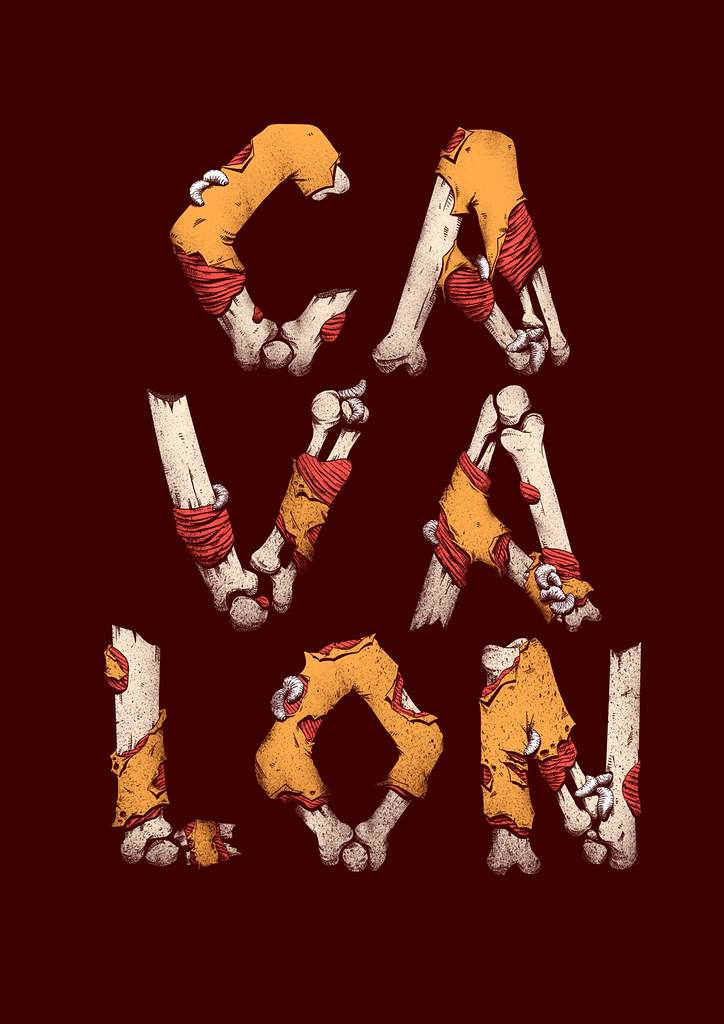
Zombie worms are remarkable organisms that thrive in the deep ocean, feeding on whale bones. This unique discovery highlights the incredible adaptations of life in extreme environments.
What Are Zombie Worms?
Zombie worms, scientifically known as Osedax, are fascinating creatures that inhabit the deep ocean. These unique organisms are renowned for their ability to consume the bones of dead marine animals, particularly whales. They thrive in environments where food is scarce, making their adaptation to such extreme conditions remarkable.
Female zombie worms can host as many as 100 males, creating a complex reproductive strategy that ensures the continuation of their species. The males remain tiny and live within the females, where they contribute to reproduction without needing to leave their host. This unusual lifestyle highlights the intricacies of marine ecosystems and the roles that various species play.
Through their bone-eating habits, zombie worms also participate in nutrient recycling in the ocean, making them essential to the health of deep-sea environments.
How Do Zombie Worms Eat Whale Bones?
Zombie worms, scientifically known as Osedax, have a unique feeding mechanism that allows them to thrive on the bones of dead marine mammals, such as whales. These extraordinary creatures possess specialized teeth that can drill into the hard surface of bones, enabling them to access the nutritious lipids and proteins contained within.
Once they penetrate the bone, zombie worms secrete enzymes that break down the organic material, allowing them to absorb the nutrients directly. This adaptation is crucial for their survival in the nutrient-scarce deep ocean environment.
Interestingly, a single female zombie worm can host as many as 100 males, which live in close proximity to her. This fascinating reproductive strategy ensures that these remarkable creatures can efficiently exploit the resources available in their habitat, making them a vital part of the deep-sea ecosystem.
The Role of Zombie Worms in the Ecosystem
Zombie worms play a crucial role in the deep ocean ecosystem, particularly in the decomposition of organic matter. These fascinating creatures, often found feeding on the bones of dead marine animals, contribute significantly to nutrient cycling in their environment.
As scavengers, zombie worms help break down whale bones, which can take years to decompose naturally. This process not only recycles essential nutrients back into the ecosystem but also provides a food source for various other marine organisms.
Furthermore, the presence of these worms can indicate the health of deep-sea habitats, as they thrive in regions where organic material is abundant. By studying zombie worms, scientists can gain insights into the dynamics of deep ocean ecosystems and the impacts of changes in marine biodiversity.
In this way, zombie worms serve as a vital link in maintaining the balance of life in the depths of the ocean.
Discoveries in Deep Ocean Research
Recent explorations in deep ocean research have unveiled fascinating discoveries, particularly concerning zombie worms. These unique organisms thrive in extreme environments, showcasing the ocean’s hidden biodiversity. Notably, scientists have found that a single female zombie worm can host as many as 100 males, a remarkable reproductive strategy that highlights the complexity of marine life.
These discoveries have significant implications for understanding deep-sea ecosystems, where such organisms play a vital role in nutrient cycling. The ability of zombie worms to consume whale bones not only aids in the decomposition of large marine mammals but also supports a variety of other species in the food web.
- Enhancement of nutrient distribution in the ocean floor
- Support for diverse marine life
- Insight into deep-sea biology and ecology
The ongoing research into these enigmatic creatures continues to shed light on the mysteries of the deep ocean.
Unique Adaptations of Marine Life
Marine life in the deep ocean showcases a variety of unique adaptations, and zombie worms are no exception. These fascinating creatures, known scientifically as Osedax, have evolved remarkable traits to thrive in extreme environments. One of their most notable adaptations is their ability to break down and consume the bones of dead marine animals, such as whales. This is made possible through symbiotic relationships with bacteria that digest the bone material, allowing the worms to absorb nutrients.
Additionally, female zombie worms can host up to 100 males within their bodies, highlighting a unique reproductive strategy that maximizes their chances of survival in the nutrient-scarce depths. These adaptations not only contribute to their survival but also play a significant role in the ocean’s nutrient cycle, proving that even in the darkest depths, life finds a way to thrive.
The Science Behind Zombie Worms
The fascinating world of zombie worms reveals a complex interplay of science and marine biology. These unique organisms, scientifically known as *Osedax*, exhibit remarkable adaptations that allow them to thrive in the deep ocean. They possess a specialized enzyme that enables them to break down the collagen in whale bones, turning a once-imposing structure into a feast.
Interestingly, the reproductive habits of zombie worms are equally captivating. A single female can host up to 100 males, showcasing a rare form of sexual dimorphism in marine life. This behavior not only aids in their reproduction but also ensures that the species can persist in the nutrient-scarce environment of the ocean floor. Overall, the study of zombie worms sheds light on the intricate biological processes at work in the deep sea, offering insights into how life can flourish in seemingly inhospitable conditions.
Future Research on Deep Sea Creatures
As research on deep sea creatures continues to advance, scientists are increasingly interested in the role of zombie worms in marine ecosystems. Future studies aim to uncover the potential impacts these unique organisms have on nutrient cycling in the ocean.
Moreover, researchers are exploring how zombie worms can adapt to extreme environments, which may provide insights into the resilience of life in harsh conditions.
Key areas of focus for upcoming research include:
- Genomic Studies: Understanding the genetic makeup of zombie worms could reveal their evolutionary history.
- Habitat Mapping: Identifying the specific habitats where these worms thrive can help in conservation efforts.
- Interactions with Other Species: Investigating their relationships with other deep-sea organisms may shed light on ecosystem dynamics.
These efforts could significantly enhance our knowledge of deep ocean biodiversity.
By Pedro Corrêa via Openverse
Sources
Inshorts · Zombie Women of Satan
Related reading
Maharashtra drought news: Worst Effects on Agriculture Revealed · Asian Games 2026 India: What Are the Best Medal Winners? · Trump funding cuts: The Worst Impact on Programs