 Stephen Scott
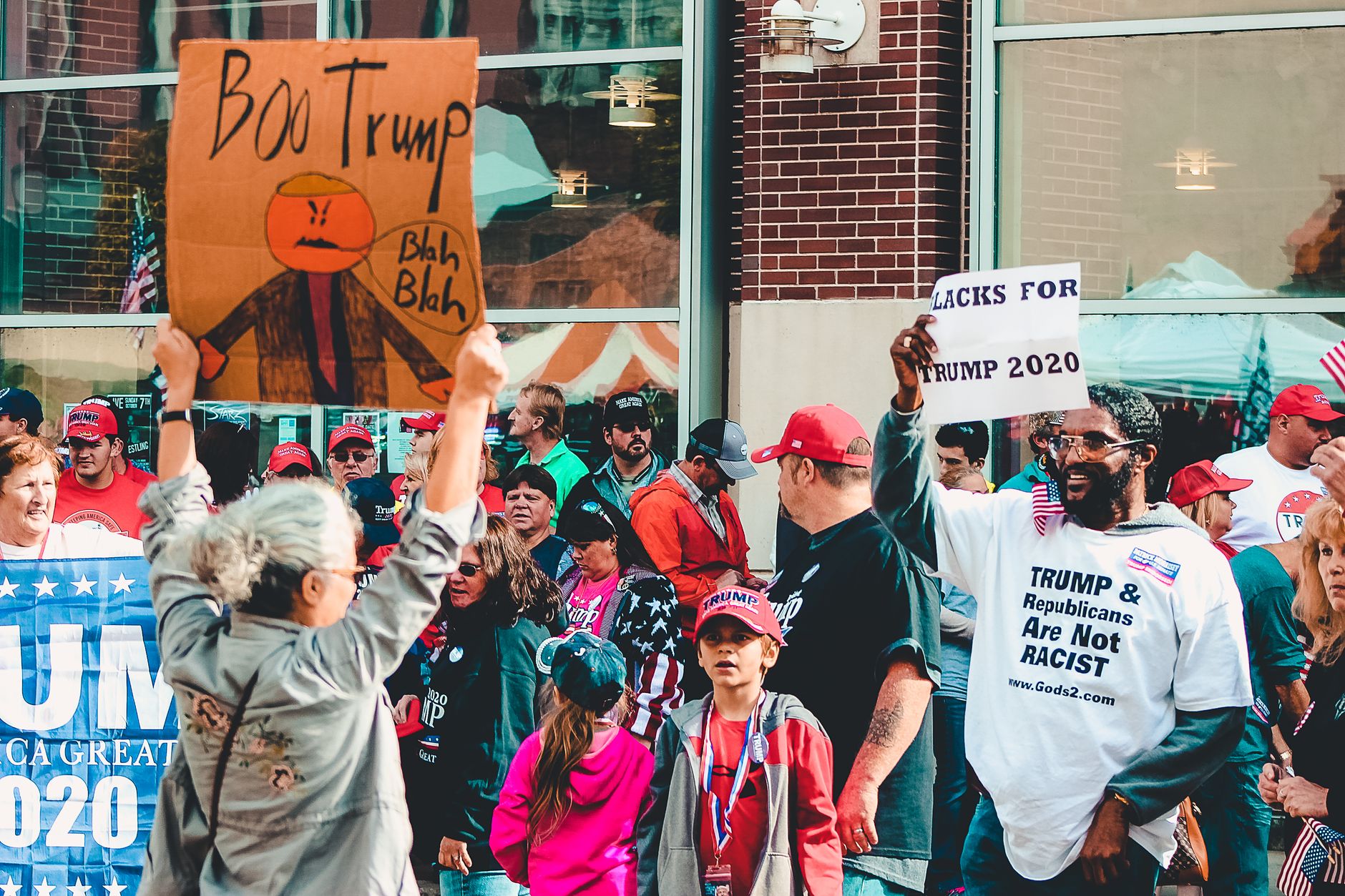
Trump funding cuts have recently been announced, affecting nearly $1 billion in support for illegal immigrants and race-focused programs. This decision has sparked significant debate and concern across various sectors.
Overview of Trump’s Funding Cuts
In a controversial move, President Trump has implemented significant funding cuts that have raised concerns among various advocacy groups and community organizations. These cuts, totaling nearly $1 billion, target programs aimed at supporting illegal immigrants and race-focused initiatives. The decision has been characterized as a ‘pocket’ rescission, allowing the administration to reduce funding without extensive congressional approval.
The impact of these Trump funding cuts is expected to be widespread, affecting several areas, including:
- Educational Programs: Many programs designed to assist underprivileged students, particularly those from immigrant backgrounds, may face significant reductions or complete elimination.
- Healthcare Services: Funding for community health initiatives that serve marginalized populations could see substantial cuts, potentially jeopardizing access to essential services.
- Support Services: Organizations that provide legal and social support to immigrants may struggle to maintain operations, leading to increased vulnerability among these communities.
Advocates argue that these funding cuts not only undermine the resources available to fight inequality but also send a message of exclusion to already marginalized groups. As the implications unfold, many are left questioning how these decisions align with the administration’s broader goals and the potential long-term effects on society.
Impact on Illegal Immigration Programs
The recent announcement of Trump funding cuts has raised significant concerns regarding the impact on illegal immigration programs. The cancellation of nearly $1 billion in funding is expected to have far-reaching consequences for various initiatives aimed at managing immigration and supporting affected communities.
Many organizations that rely on federal funding to assist undocumented immigrants and provide essential services are now facing severe budget constraints. This decision has prompted a wave of reactions from advocacy groups and local governments. The following are some key areas affected by these cuts:
- Legal Aid Services: Funding cuts will limit access to legal assistance for immigrants navigating the complex U.S. immigration system.
- Community Support Programs: Programs that offer essential resources such as housing, healthcare, and education for undocumented individuals may face significant reductions.
- Public Safety Initiatives: Local law enforcement agencies that collaborate with community organizations to address illegal immigration may experience a decrease in resources, which could affect public safety measures.
As these funding cuts take effect, the future of these programs remains uncertain, and the impact on immigrant communities could be profound. Many advocates are calling for a reevaluation of these decisions, emphasizing the need for support rather than further restrictions.
Reactions from Community Leaders
Community leaders across the nation are expressing their concerns regarding the recent Trump funding cuts, particularly the nearly $1 billion in funding canceled for various programs aimed at supporting immigrant populations and addressing racial disparities. These cuts have sparked outrage among advocates who argue that they undermine critical services that many communities rely on.
In a statement, Maria Gonzalez, a local nonprofit director, emphasized the detrimental effects these funding cuts will have on vulnerable populations. “These programs are not just numbers on a page; they represent real lives and opportunities. Without this funding, we risk losing vital support for families who are already struggling,” she stated.
Similarly, James Patel, a community organizer, remarked on the broader implications of the cuts. “This decision sends a message that our communities do not matter. It is essential for us to stand together and advocate for the resources we need to thrive,” he said.
Many leaders are calling for immediate action to restore the funding, stressing the importance of maintaining programs that address the needs of all citizens, regardless of their background. As the debate continues, community leaders remain hopeful that united efforts can reverse the Trump funding cuts and protect essential services for those who need them most.
Analysis of Race-Focused Programs
The recent decision by former President Trump to implement funding cuts has raised significant concerns regarding the impact on race-focused programs. These cuts, part of a broader strategy to redirect resources, have been criticized for disproportionately affecting minority communities.
Race-focused programs are essential for addressing systemic inequalities and providing support to marginalized groups. The cancellation of nearly $1 billion in funding has led to fears about the future of various initiatives aimed at promoting education, health, and economic opportunities for these communities. The analysis of these cuts reveals several key areas of concern:
- Educational Support: Programs that offer scholarships and mentorship for underprivileged students are at risk of severe reductions, potentially widening the achievement gap.
- Health Services: Funding cuts could lead to a decrease in accessible healthcare options for minority populations, exacerbating existing health disparities.
- Community Development: Initiatives designed to foster economic growth in disadvantaged areas may face significant setbacks, hindering efforts to create jobs and improve living conditions.
In summary, the Trump funding cuts pose a serious threat to programs that have worked tirelessly to uplift marginalized communities. The long-term implications could be detrimental, further entrenching the very inequalities these programs seek to combat.
The Political Ramifications of Budget Cuts
The recent decision by the Trump administration to implement significant funding cuts has sparked a wave of political ramifications that could reshape the landscape of various programs. These cuts, particularly affecting initiatives aimed at supporting illegal immigration programs and race-focused efforts, have led to intense debates among lawmakers and advocacy groups.
Critics argue that the Trump funding cuts reflect a broader agenda to undermine support for marginalized communities. Many Democrats have condemned the cuts, asserting that they will disproportionately affect vulnerable populations already struggling with limited resources. This has led to calls for a restoration of funding to ensure that essential services remain intact.
On the other hand, some Republicans see the budget cuts as a necessary move towards fiscal responsibility. They argue that reallocating funds can contribute to reducing the national deficit and promote more efficient government spending. This divide has resulted in increased polarization within Congress, with both parties leveraging the issue to rally their bases ahead of upcoming elections.
As the political fallout from these cuts continues to unfold, it remains to be seen how these measures will impact local communities and their ability to access vital programs. The stakes are high, and the implications of these budgetary decisions will likely reverberate through the political arena for years to come.
Public Opinion on Trump’s Decision
As the nation grapples with the implications of Trump’s funding cuts, public opinion has become increasingly divided. Many citizens express concern over the potential consequences for various programs, particularly those aimed at supporting vulnerable populations.
A recent poll revealed that 58% of respondents disapprove of the funding cuts, citing fears that essential services will be compromised. Among those most affected, community members have voiced their disappointment over the loss of support for programs that assist immigrants and promote racial equity. A local resident stated, “These cuts will only exacerbate the challenges we face as a community.”
Conversely, a notable segment of the population supports Trump’s decision, believing it reallocates funds to more pressing issues. A supporter argued, “It’s time to prioritize American citizens over programs that don’t directly benefit us.” This sentiment reflects a broader trend among those who feel that government resources should focus on domestic priorities.
In light of these contrasting views, it is clear that Trump’s funding cuts have sparked significant debate. As the public continues to respond, the long-term effects on programs and the communities they serve remain uncertain. Ultimately, the divide in public opinion highlights the complex nature of policy decisions in today’s political landscape.
Future of Immigration Funding
The future of immigration funding remains uncertain following Trump funding cuts, which have significant implications for various programs aimed at supporting immigrant communities. With nearly $1 billion in funding canceled, states and localities are left grappling with the aftermath of these budget reductions.
Several key programs may be affected:
- Legal Aid Services: Funding reductions jeopardize access to legal representation for immigrants facing deportation.
- Community Support Initiatives: Programs that offer language classes, job training, and integration services may face closures or significant cutbacks.
- Health Services: Many local health clinics that rely on federal funding to provide care for immigrants could be forced to reduce their services or shut down entirely.
The cascading effects of these cuts could lead to greater challenges for immigrant families seeking assistance. Community leaders have expressed concerns that the elimination of funds will exacerbate existing vulnerabilities, leaving many without critical resources.
As the situation evolves, advocates are calling for a reevaluation of budget priorities to ensure that the needs of immigrant communities are not overlooked. The debate surrounding these Trump funding cuts highlights the ongoing struggles faced by immigrants in navigating an increasingly hostile environment.
Conclusion and Next Steps
In conclusion, the recent Trump funding cuts represent a significant shift in the allocation of federal resources, particularly concerning programs aimed at supporting illegal immigration and race-focused initiatives. The implications of these cuts extend beyond immediate financial constraints; they also raise critical questions about the future of social equity and community support. As various stakeholders, including community leaders and advocacy groups, express their concerns, it is essential to evaluate the long-term effects on vulnerable populations.
Moving forward, policymakers must consider the following steps:
- Assessment of Impact: Conduct comprehensive studies to measure the effects of the funding cuts on communities most affected by these changes.
- Engagement with Stakeholders: Facilitate discussions between government officials, community leaders, and service organizations to address concerns and explore alternative funding solutions.
- Advocacy for Reinstatement: Mobilize grassroots efforts to urge lawmakers to reconsider the cuts, emphasizing the importance of funding for comprehensive immigration support and race-focused programs.
- Monitoring Public Sentiment: Continuously gauge public opinion on Trump’s funding cuts to inform future policy decisions and potential reversals.
Ultimately, the path forward will require collaboration and commitment to ensure that the needs of all communities are met, and that essential programs continue to receive the support they require.
The Trump funding cuts have led to significant reductions in vital community programs that support low-income families. Many experts warn that the Trump funding cuts could exacerbate existing inequalities and leave vulnerable populations without essential services.
By Michael Vadon via Openverse