
 Stephen Scott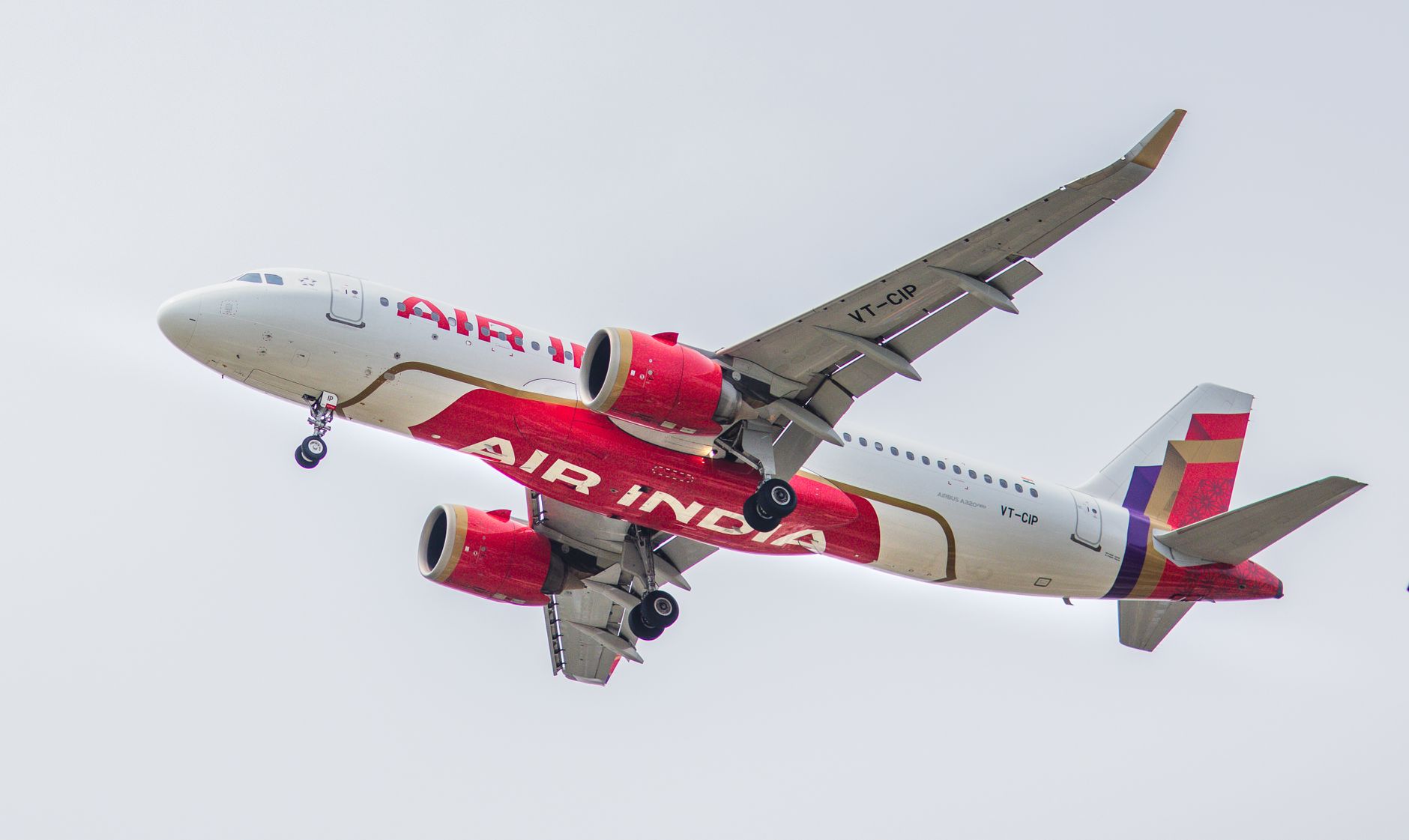
Air India flight diversion has raised questions after the Frankfurt-Delhi flight was redirected to Jaipur. Understanding the reasons behind this incident is crucial for passengers and aviation enthusiasts alike.
What Happened to the Air India Flight?
On a recent Air India flight from Frankfurt to Delhi, passengers were taken by surprise when the aircraft was diverted to Jaipur. This unexpected diversion was prompted by a serious security concern that arose mid-flight. The flight crew reported a situation classified under the Squawk Code 7500, which indicates a hijacking or potential threat to the aircraft.
Upon receiving the alert, air traffic control took immediate action, instructing the pilots to divert to the nearest airport. Fortunately, the plane landed safely in Jaipur, where it was met by security personnel and emergency services. Passengers were evacuated and screened, ensuring their safety and addressing any potential threats.
The decision to divert the Air India flight highlights the airline’s commitment to passenger safety and the protocols in place for handling such emergencies. The swift response from the crew and ground control was crucial in averting a possible crisis. Investigations are currently underway to determine the full context of the situation that led to the flight diversion and to ensure such incidents are managed effectively in the future.
Understanding Squawk Code 7500
Understanding the significance of Squawk Code 7500 is essential in the context of the recent Air India flight diversion. This specific code is a universal alert used by pilots to indicate that there is a hijacking or unlawful interference occurring on board the aircraft.
When a pilot sets the transponder to Squawk Code 7500, it sends a silent distress signal to air traffic control without alarming passengers or potential hijackers. This allows for a coordinated response from aviation authorities and law enforcement.
In the case of the Air India flight diversion, the activation of Squawk Code 7500 raised immediate concerns among air traffic controllers, prompting them to take swift action. The flight, which was en route from Frankfurt to Delhi, was diverted to Jaipur to ensure the safety of everyone on board.
Authorities are trained to respond quickly to such situations, often leading to an increased police presence upon landing. Understanding Squawk Code 7500 helps illuminate the serious nature of the incident and the procedures that are set in place for handling potential threats during air travel.
Passenger Reactions to the Diversion
Passengers on the diverted Air India flight expressed a mix of confusion and concern regarding the unexpected change in their travel plans. Many took to social media to voice their reactions, highlighting the anxiety that such a situation can cause. One traveler noted, “It was unsettling to learn about the diversion. We were all wondering what was happening.”
Several passengers described the atmosphere on the aircraft as tense, with many clutching their phones, seeking updates from family or news sources. “We just wanted to know if we were safe,” said another passenger. The decision to divert the flight to Jaipur under Squawk Code 7500 raised questions among those onboard, leading to discussions about aviation safety protocols.
As the flight landed safely, relief washed over the passengers, but many still felt unsettled. “I’m just glad we’re on the ground,” one passenger remarked. The Air India flight diversion sparked conversations about the importance of communication during emergencies, with many advocating for clearer updates in such situations.
Impact on Air Travel
The recent Air India flight diversion has raised significant concerns regarding air travel safety and security. Passengers and airlines alike are now grappling with the implications of such incidents. The diversion of the Air India flight not only disrupted travel plans but also highlighted the urgent need for enhanced security protocols in aviation.
Experts suggest that the incident could have a ripple effect on passenger confidence. Many travelers may reconsider their flying choices, leading to a potential decline in bookings for airlines that experience similar disruptions. Additionally, the need for effective communication during such emergencies has become apparent. Miscommunication can exacerbate passenger anxiety, making it crucial for airlines to establish clear channels of information.
Furthermore, air travel regulations may come under scrutiny as authorities reassess procedures surrounding security alerts, including the use of Squawk Code 7500. As the aviation industry seeks to address these concerns, it must balance the necessity of maintaining tight security measures with the importance of ensuring a smooth travel experience for passengers.
Ultimately, the impact of the Air India flight diversion extends beyond a single incident—it raises broader questions about the future of air travel safety.
Expert Opinions on Flight Safety
Experts in aviation safety have weighed in on the recent Air India flight diversion, emphasizing that such measures are crucial for maintaining passenger safety. The decision to divert the flight, which was originally bound for Delhi from Frankfurt, is a testament to the protocols in place to handle potential security threats effectively.
According to Captain Ramesh Singh, a retired airline pilot, “The use of Squawk Code 7500 indicates a serious concern. It is not taken lightly and signifies a need for immediate action. Diversions are often the safest option in these scenarios.”
Dr. Anita Verma, an aviation safety analyst, added, “The recent Air India flight diversion highlights the importance of vigilance in aviation. Airlines must be prepared to respond swiftly to any indication of trouble to ensure the safety of all onboard.”
Moreover, the reactions from the aviation community have been largely supportive of the decision. Flight diversions are seen as a necessary precaution, reinforcing the idea that safety must always come first, even if it leads to unexpected changes in travel plans.
As the investigation continues, experts recommend that passengers remain informed and cooperative during such incidents.
Future of Air India Operations
The recent Air India flight diversion has sparked discussions about the future of Air India operations and its protocols regarding in-flight safety. With heightened awareness around aviation security, airlines are re-evaluating their procedures to ensure passenger safety remains a top priority.
In light of the incident involving the Frankfurt-Delhi flight being diverted to Jaipur, Air India is likely to implement several changes to its operational protocols. These may include:
- Enhanced Training: Flight crews may undergo additional training on handling in-flight emergencies and recognizing potential threats more effectively.
- Improved Communication: Airlines could focus on better communication channels between the cockpit and ground control to ensure timely responses to any unusual situations.
- Passenger Awareness Programs: Educating passengers about the significance of security measures and how they can contribute to a safer flying environment.
As the aviation industry continues to adapt, the Air India flight diversion incident serves as a reminder of the evolving challenges in air travel. The airline’s commitment to safety will likely play a crucial role in maintaining passenger trust and confidence moving forward.
The recent Air India flight diversion has raised questions among passengers and aviation experts alike. Investigations into the Air India flight diversion reveal a complex interplay of safety protocols and operational challenges.
Photo by Ethan Sarkar on Pexels