
 Stephen Scott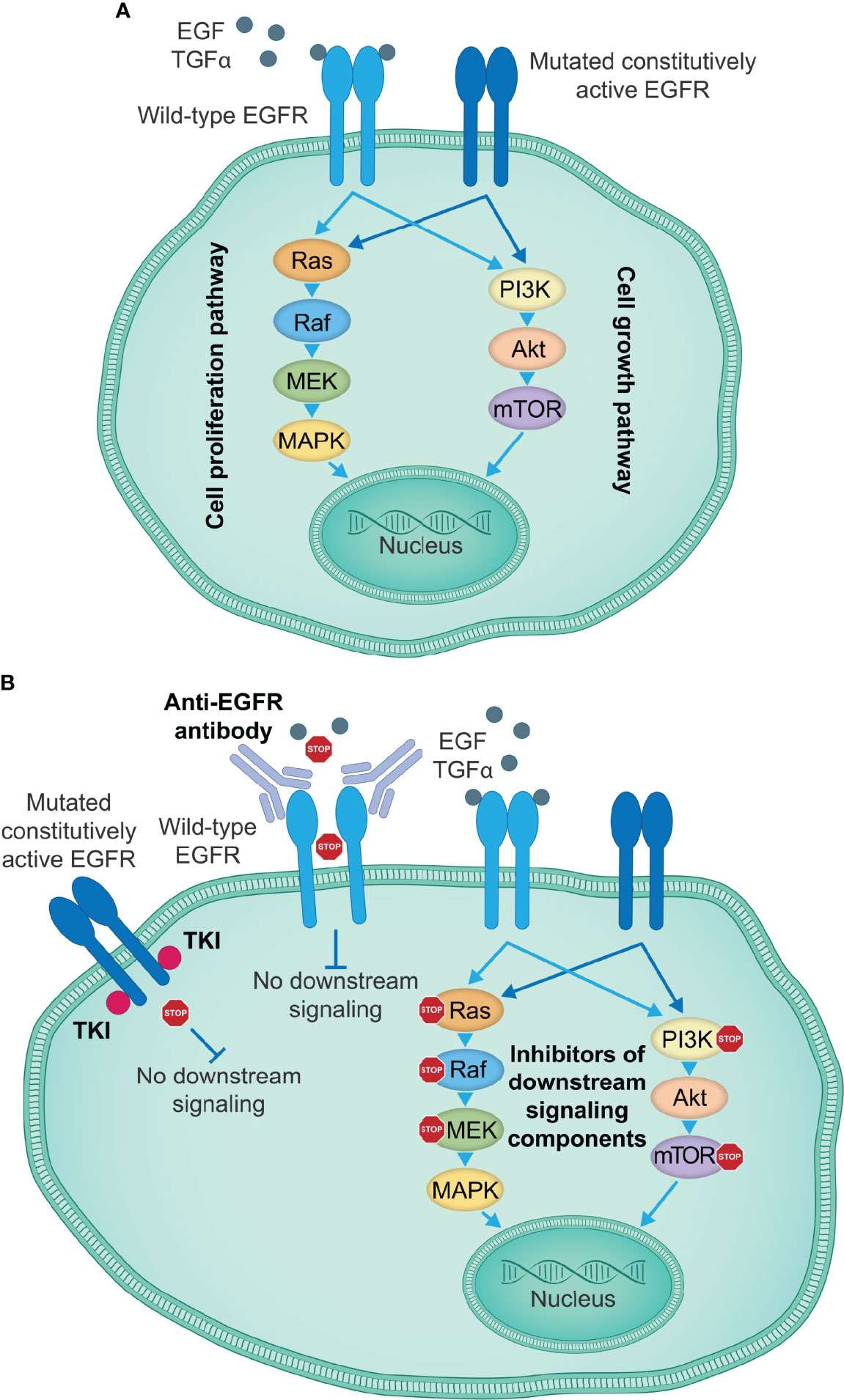
EGFR-targeted therapy is reshaping NSCLC treatment options, offering new hope for patients. The recent developments presented by Samvel Bardakhchyan at COGC 2026 highlight its potential.
Overview of NSCLC and Its Treatment
Non-small cell lung cancer (NSCLC) is the most prevalent form of lung cancer, accounting for approximately 85% of all cases. Characterized by various subtypes, NSCLC can be associated with specific mutations that significantly influence treatment options. Among these, mutations in the epidermal growth factor receptor (EGFR) have emerged as a critical target for therapy.
The management of NSCLC has evolved dramatically over the years, with traditional approaches such as chemotherapy and radiation being supplemented by more advanced treatments. EGFR-targeted therapy has gained prominence due to its ability to directly inhibit the growth of cancer cells harboring EGFR mutations. This approach has shown improved survival rates and quality of life for patients.
Current treatment strategies often involve:
- Identifying EGFR mutations through genetic testing.
- Administering first-line targeted therapies such as tyrosine kinase inhibitors (TKIs).
- Continuing research into novel agents that can overcome resistance to existing therapies.
As new data emerges, the landscape of NSCLC treatment continues to shift, particularly with the introduction of innovative EGFR-targeted therapies that promise to reshape patient outcomes.
What is EGFR-Targeted Therapy?
EGFR-targeted therapy refers to a class of treatments specifically designed to inhibit the activity of the epidermal growth factor receptor (EGFR), a protein that plays a crucial role in the growth and spread of cancer cells, particularly in non-small cell lung cancer (NSCLC). This type of therapy is particularly effective for patients whose tumors harbor specific mutations in the EGFR gene.
By blocking the signals that promote tumor growth, EGFR-targeted therapy can significantly improve patient outcomes, leading to increased survival rates and better quality of life. Commonly used EGFR inhibitors include:
- Gefitinib – an oral medication that targets specific EGFR mutations.
- Erlotinib – another oral agent that has shown efficacy in treating advanced NSCLC.
- Osimertinib – a third-generation EGFR inhibitor designed to overcome resistance to earlier treatments.
As research advances, the landscape of EGFR-targeted therapy continues to evolve, offering new hope for patients diagnosed with NSCLC. Emerging studies, such as those presented by Samvel Bardakhchyan at COGC 2026, suggest that novel therapies are reshaping the treatment paradigm for this challenging disease.
Benefits of EGFR-Targeted Therapy
EGFR-targeted therapy offers several significant benefits for patients diagnosed with non-small cell lung cancer (NSCLC). One of the primary advantages is its ability to specifically target cancer cells harboring mutations in the epidermal growth factor receptor (EGFR) gene. This targeted approach often leads to improved treatment outcomes compared to traditional chemotherapy.
Some notable benefits of EGFR-targeted therapy include:
- Higher response rates: Clinical trials have shown that patients receiving EGFR-targeted therapy often experience a higher rate of tumor shrinkage.
- Improved quality of life: Many patients report fewer side effects compared to conventional treatments, allowing them to maintain a better quality of life during therapy.
- Prolonged survival: Studies indicate that patients treated with EGFR inhibitors may benefit from increased overall survival rates, particularly those with specific EGFR mutations.
- Personalized treatment: EGFR-targeted therapy can be tailored to individual patients based on their genetic profile, enabling more effective treatment strategies.
Overall, the advancements in EGFR-targeted therapy are reshaping the landscape of NSCLC treatment, providing new hope for many patients.
Samvel Bardakhchyan’s Insights
In a recent presentation at the COGC 2026, Samvel Bardakhchyan offered compelling insights into the evolving landscape of NSCLC treatment. He emphasized that EGFR-targeted therapy has become a cornerstone in managing this challenging disease. According to Bardakhchyan, the advancements in understanding EGFR mutations are pivotal in tailoring therapies that significantly improve patient outcomes.
Bardakhchyan noted the importance of personalized medicine in NSCLC, stating, “The integration of genetic profiling in treatment plans allows us to choose the most effective therapies based on individual patient needs.” He highlighted several case studies demonstrating the efficacy of EGFR-targeted therapies in prolonging survival and enhancing the quality of life for patients.
Moreover, Bardakhchyan discussed emerging treatments and combinations that leverage EGFR-targeted therapy, which could potentially overcome resistance mechanisms that often limit effectiveness. He concluded by affirming that ongoing research is crucial, as it holds the promise of further optimizing treatment strategies and improving the prognosis for NSCLC patients.
As the field continues to evolve, Bardakhchyan’s insights reflect a hopeful future for those battling this disease.
Future of Cancer Treatments
The landscape of cancer treatments is continually evolving, with a focus on precision medicine and targeted therapies. EGFR-targeted therapy has emerged as a promising approach in the management of non-small cell lung cancer (NSCLC), but future advancements may further refine its effectiveness.
Recent discussions at the COGC 2026 conference highlighted the potential for novel combinations and next-generation therapies that could enhance outcomes for patients. Experts like Samvel Bardakhchyan are advocating for research that integrates biomarker-driven strategies and innovative drug delivery systems. This may lead to more personalized treatment plans that are tailored to individual patient profiles.
As clinical trials progress, the focus is shifting towards understanding resistance mechanisms that limit the efficacy of current therapies. Future treatments may incorporate
- combination therapies with chemotherapy and immunotherapy
- explorations into alternative pathways beyond EGFR
- improvements in patient monitoring and feedback mechanisms
to ensure that each patient receives the most effective regimen.
Ultimately, the future of cancer treatments, particularly for NSCLC, looks promising as ongoing research seeks to optimize EGFR-targeted therapy and develop innovative solutions for improved patient outcomes.
Patient Experiences with New Therapies
Patient experiences with new therapies, particularly EGFR-targeted therapy, have been a focal point in recent discussions surrounding non-small cell lung cancer (NSCLC). Many individuals diagnosed with NSCLC have reported significant improvements in their quality of life after starting EGFR-targeted treatments. These therapies have been associated with reduced side effects compared to traditional chemotherapy, allowing patients to maintain their daily activities with minimal disruption.
Several patients shared their journeys at a recent conference, highlighting the transformative impact of these therapies. Maria Lopez, a long-term NSCLC survivor, described her experience: “After starting EGFR-targeted therapy, I felt a renewed sense of hope. The side effects were manageable, and I was able to spend more time with my family.” Another patient, James Wu, emphasized the importance of personalized medicine, stating, “This therapy was tailored to my genetic profile, and it made all the difference.”
As more patients share their success stories, the evidence supporting the efficacy of EGFR-targeted therapy for NSCLC continues to grow, prompting further investigation into its long-term benefits and potential as a standard treatment option.
By Hintzen G, Dulat HJ and Rajkovic E via Openverse
Read the original
Related stories
Flydubai pilot airlifted: A quick and safe rescue story · Apple Pay India: Easy Setup Steps for Users · Drrishabhsharma News: The Best Proven Updates You Need