
 Stephen Scott
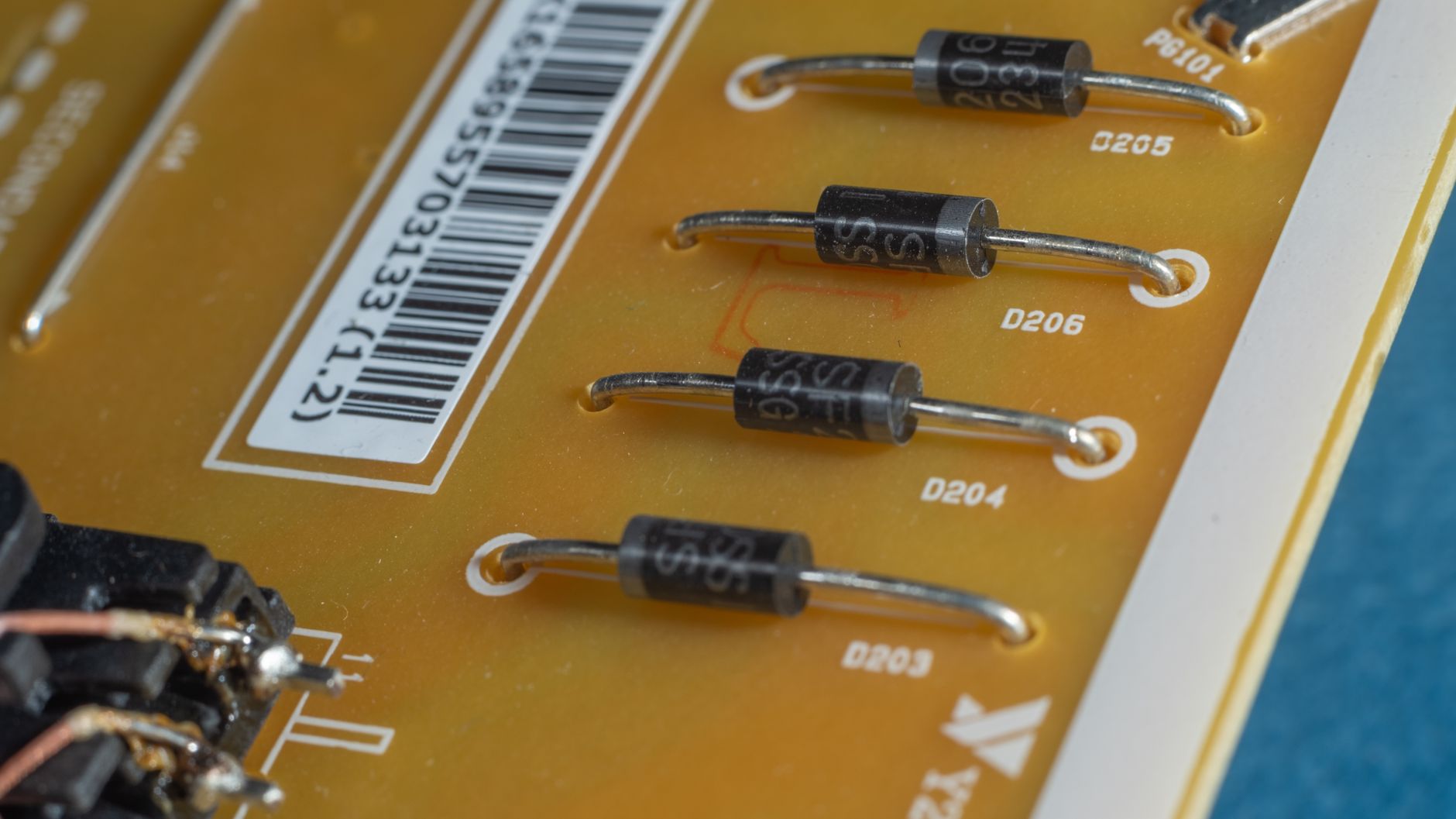
The high-temperature Josephson diode is a groundbreaking development in superconductivity, showcasing a field-free effect that could change the landscape of electronic devices.
What is a Josephson Diode?
A Josephson diode is a remarkable device that operates on the principles of quantum mechanics, specifically utilizing the Josephson effect. This phenomenon occurs when two superconductors are separated by a thin insulating barrier, allowing for the tunneling of Cooper pairs—paired electrons that contribute to superconductivity.
The high-temperature Josephson diode represents a significant advancement in this field, as it functions effectively without the need for an external magnetic field. This capability not only enhances its efficiency but also broadens its potential applications in quantum computing and other advanced technologies.
Key characteristics of a Josephson diode include:
- Nonlinear current-voltage relationship
- Field-free operation
- Potential for integration into electronic circuits
Overall, this innovative device is a testament to the progress in superconducting materials and their applications.
Understanding High-Temperature Superconductors
High-temperature superconductors are materials that exhibit superconductivity at temperatures significantly above conventional superconductors. These materials are critical for advancing technology in various fields, including quantum computing and energy transmission. The discovery of the high-temperature Josephson diode represents a significant breakthrough in the understanding of these materials and their potential applications.
Superconductors can expel magnetic fields and allow for the flow of electric current without resistance, which is essential for the functionality of the high-temperature Josephson diode. This diode operates based on the principles of quantum mechanics and offers advantages such as:
- Improved energy efficiency
- Enhanced performance in electronic devices
- Potential applications in quantum technologies
As research continues, high-temperature superconductors may unlock new possibilities in the realm of advanced electronics.
The Science Behind the Breakthrough
The recent breakthrough in physics surrounding the high-temperature Josephson diode revolves around its unique ability to operate without an external magnetic field. This phenomenon is attributed to the intricate interplay between superconductivity and quantum tunneling. Researchers have discovered that at elevated temperatures, specific materials exhibit superconducting properties that allow for a significant reduction in energy loss, making these diodes highly efficient.
Key aspects of this discovery include:
- Enhanced Performance: The diode maintains functionality even under varying temperatures.
- Reduced Energy Consumption: Operating without magnetic fields minimizes energy waste.
- Scalability: Potential applications range from quantum computing to energy transmission.
As scientists continue to explore these properties, the implications for future technologies appear promising, paving the way for advancements in electronic devices.
Applications of the Josephson Diode
The high-temperature Josephson diode presents numerous applications that could revolutionize various fields. Its unique properties enable advancements in:
- Quantum Computing: The diode can enhance qubit performance, leading to more efficient quantum processors.
- Energy Transmission: With reduced energy loss, the diode can improve power grid efficiency, especially in long-distance electricity transmission.
- Medical Imaging: The technology may enhance the performance of MRI machines, providing clearer images with shorter scanning times.
- Sensors: High-temperature Josephson diodes can be utilized in highly sensitive magnetic field sensors, benefiting various industrial applications.
As research continues, the potential uses of the high-temperature Josephson diode may expand, promising transformative impacts across technology and science.
Field-Free Effects Explained
The recently discovered field-free effects in high-temperature Josephson diodes present an exciting advancement in the understanding of superconductivity. These effects allow the diode to operate without the need for an external magnetic field, which traditionally influenced its performance. This breakthrough demonstrates that high-temperature Josephson diodes can maintain efficient current flow even in the absence of magnetic interference.
Researchers have identified several key characteristics of this phenomenon:
- Enhanced efficiency: The absence of a magnetic field reduces energy loss during operation.
- Increased stability: Field-free operation minimizes the risk of disruptions in current flow.
- Broader applications: The potential for integration into various electronic devices is significantly expanded.
These findings mark a vital step forward in the development of advanced superconducting technologies.
Implications for Future Technology
The recent advancements in high-temperature Josephson diodes promise to revolutionize various technological sectors. By enabling efficient energy transfer at unprecedented temperatures, these devices could significantly enhance the performance of quantum computing systems.
Key implications include:
- Improved Quantum Computing: The high-temperature Josephson diode can facilitate faster qubit operations, leading to more powerful quantum processors.
- Energy Efficiency: With lower energy losses, these diodes can contribute to greener technologies and reduce overall operational costs.
- Enhanced Communication Systems: The development of faster and more reliable communication technologies could stem from the integration of high-temperature Josephson diodes.
- Broader Applications: As their versatility is explored, these diodes may find use in medical imaging and advanced sensors.
Overall, the implications extend far beyond academia, potentially reshaping industries worldwide.
Recent Research Findings
Recent studies have highlighted significant advancements in the functionality of the high-temperature Josephson diode. Researchers have successfully demonstrated that this innovative device operates effectively without the need for an external magnetic field, a feature that could revolutionize its applications in quantum computing and energy transfer systems.
In one notable experiment, a team utilized a unique material composition that enhances the diode’s performance at elevated temperatures. The results reveal a robust current flow, showcasing the potential for integration into existing technologies.
Moreover, the findings indicate that the high-temperature Josephson diode can operate efficiently in various environmental conditions, making it a versatile component for future electronic systems. As the research progresses, the implications for practical applications in computing and energy sectors appear increasingly promising.
Expert Opinions on the Discovery
Experts in the field of superconductivity are lauding the recent discovery of the high-temperature Josephson diode as a significant advancement in physics. Dr. Emily Chen, a leading physicist, stated, “This breakthrough not only enhances our understanding of quantum phenomena but also opens up new avenues for technology development.”
Similarly, Dr. Raj Patel emphasized the potential impact of this discovery, noting, “The high-temperature Josephson diode could revolutionize energy transmission systems, making them more efficient and sustainable.”
Furthermore, Dr. Maria Lopez highlighted the implications for quantum computing, saying, “Integrating high-temperature Josephson diodes could lead to faster and more reliable quantum circuits.”
These expert opinions reflect a collective optimism about the future of superconducting technologies and their potential to address pressing energy challenges.
Photo by Ivan Chumak on Pexels
Sources
Related reading
PlayStation Network Problems: Worst Issues Before GTA VI Release · Hindu population growth shows worst decline in India · Top Headlines November 18, 2026: Clear Insights You Need