
 Stephen Scott
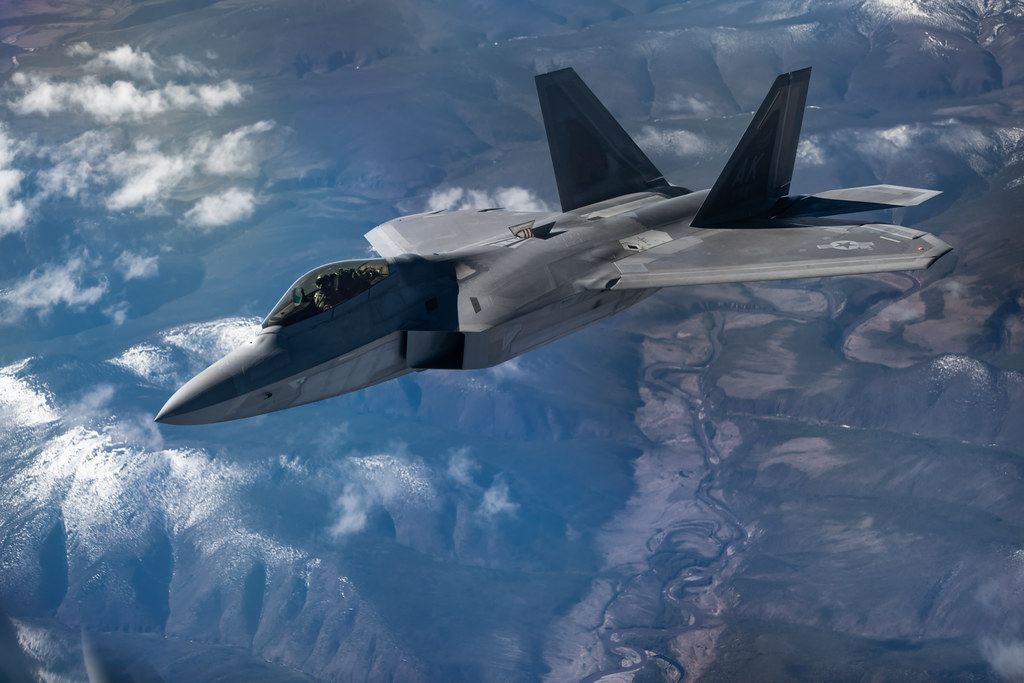
Indo-Pacific developments have prompted India to enhance its vigilance in the region. IAF chief AP Singh emphasizes the nation’s readiness to protect its interests amidst evolving geopolitical challenges.
Understanding Indo-Pacific Developments
Recent Indo-Pacific developments have underscored the necessity for heightened vigilance among regional nations. As geopolitical tensions rise, India is positioning itself to safeguard its interests in this strategically vital area. The Indian Air Force (IAF) chief, AP Singh, emphasized the importance of readiness in response to evolving challenges in the Indo-Pacific region.
In this context, several key factors are shaping the landscape:
- Increased military presence: Nations are ramping up their military capabilities to ensure security and deterrence.
- Alliances and partnerships: Countries are forging new alliances to enhance collective security and cooperation.
- Economic interests: The region’s economic significance necessitates strategic maneuvers to protect trade routes and resources.
India’s proactive strategy reflects its commitment to maintaining stability and asserting its role in the evolving Indo-Pacific framework.
India’s Role in the Indo-Pacific
India’s role in the Indo-Pacific is becoming increasingly significant as the region witnesses a surge in strategic developments. As major powers assert their influence, India is positioning itself as a key player, focusing on safeguarding its national interests.
The Indian Air Force (IAF) chief, AP Singh, emphasized the need for vigilance amidst these evolving Indo-Pacific developments. India aims to enhance its military capabilities and strengthen partnerships with like-minded nations to counter regional threats.
To navigate this complex landscape, India is:
- Expanding defense collaborations with the United States, Japan, and Australia.
- Investing in advanced technologies to bolster its maritime security.
- Engaging in multilateral exercises to improve operational readiness.
By adopting a proactive approach, India is not only protecting its interests but also contributing to a stable and secure Indo-Pacific region.
IAF Chief’s Insights on National Security
The Chief of the Indian Air Force (IAF), Air Chief Marshal AP Singh, emphasized the critical need for vigilance amid the evolving Indo-Pacific developments. He highlighted that India is prepared to safeguard its national interests in a region marked by increasing geopolitical tensions.
During a recent address, Singh outlined several key strategies that the IAF is implementing to enhance national security. These strategies include:
- Strengthening air defense capabilities.
- Enhancing interoperability with allied forces.
- Investing in advanced technologies and infrastructure.
Singh underscored the importance of a proactive approach, stating that India’s military forces must remain agile and responsive to potential threats. He acknowledged that the Indo-Pacific theatre is crucial for regional stability and that India is committed to ensuring peace and security in collaboration with partner nations.
As the situation evolves, the IAF stands ready to adapt to new challenges in the Indo-Pacific landscape.
Geopolitical Challenges Ahead
The Indo-Pacific region faces a myriad of geopolitical challenges that demand careful navigation and strategic foresight. As tensions rise among major powers, India must adapt its approach to safeguard its national interests. Key factors influencing these developments include:
- Military Expansion: The growing military capabilities of neighboring countries raise concerns about regional stability.
- Alliances and Partnerships: The formation of new alliances necessitates a reevaluation of existing partnerships.
- Trade Routes: Securing vital maritime trade routes is crucial for economic prosperity.
- Environmental Issues: Climate change and its impacts pose additional threats to security and resources.
In this complex landscape, the IAF chief emphasizes that vigilance is paramount. As the Indo-Pacific developments unfold, India is poised to implement a smart strategy, ensuring it remains resilient against emerging threats while fostering cooperative relationships in the region.
Strategies for Regional Stability
As the landscape of the Indo-Pacific continues to evolve, India is adopting a multifaceted approach to ensure regional stability. This strategy includes:
- Strengthening Alliances: India is enhancing its partnerships with nations like the United States, Japan, and Australia, fostering a collaborative network aimed at promoting security and economic growth.
- Military Modernization: The Indian Armed Forces are undergoing significant upgrades, with an emphasis on advanced technologies and capabilities to respond effectively to emerging threats.
- Diplomatic Engagement: Regular dialogues and participation in multilateral forums are crucial for addressing common challenges and reinforcing India’s commitment to a free and open Indo-Pacific.
- Economic Initiatives: By bolstering trade relationships and investing in regional infrastructure, India aims to create a prosperous environment that discourages conflict.
These strategies reflect India’s proactive stance in navigating the complexities of Indo-Pacific developments while safeguarding its national interests.
India’s proactive approach in navigating the Indo-Pacific developments showcases its commitment to safeguarding national interests. Furthermore, these Indo-Pacific developments highlight the importance of strategic partnerships in enhancing regional security.
By aeroman3 via Openverse