
 Stephen Scott
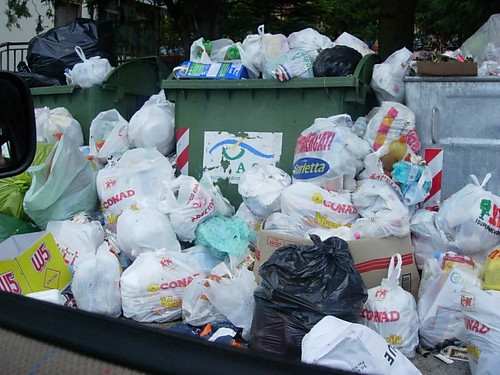
recycling hard plastics has always been a significant challenge in waste management. Recently, scientists have discovered a groundbreaking method to convert one of the world’s hardest-to-recycle plastics into high-performance lubricating oil, offering a promising solution to this environmental issue.
The Challenge of Recycling Hard Plastics
The challenge of recycling hard plastics has become increasingly significant as the world grapples with mounting waste and environmental concerns. Hard plastics, such as polycarbonate and acrylic, are durable and versatile but notoriously difficult to process in traditional recycling systems.
Many recycling facilities are ill-equipped to handle these materials, leading to a significant amount of hard plastics ending up in landfills. This not only contributes to environmental degradation but also wastes valuable resources. The complexity of the molecular structure of hard plastics makes them resistant to conventional recycling methods, necessitating innovative solutions.
Recent research has focused on developing advanced techniques to improve recycling rates. Some scientists are exploring chemical recycling methods that break down hard plastics into their original monomers, which can then be repurposed to create new plastics or even high-quality lubricating oils. This approach not only reduces the volume of waste but also opens up new markets for recycled materials.
- Environmental Impact: Hard plastics contribute significantly to pollution.
- Recycling Methods: Innovative chemical processes are being tested.
- Resource Recovery: Converting hard plastics into usable products minimizes waste.
As research progresses, the path to effective recycling of hard plastics is becoming clearer, paving the way for a more sustainable future.
Innovative Solutions in Waste Management
Innovative solutions in waste management are crucial for addressing the growing issue of hard plastics. Traditional recycling methods often struggle with these materials due to their complex structures and chemicals. However, recent advancements offer promising alternatives that could revolutionize the recycling of hard plastics.
One notable approach involves the use of chemical recycling, which breaks down plastics into their original monomers. This process allows for the creation of new plastic products without compromising quality. Researchers are increasingly focusing on developing efficient catalysts that can expedite this process, making it more viable on a large scale.
Another promising solution is the conversion of hard plastics into valuable resources, such as lubricating oils. A recent study highlighted the potential of transforming difficult-to-recycle plastics into high-performance lubricants, which can significantly reduce the environmental impact of plastic waste.
Furthermore, innovative technologies, such as pyrolysis and gasification, are being explored to convert hard plastics into fuels or other useful products. These methods not only provide a solution for recycling hard plastics but also contribute to a circular economy.
As scientists continue to explore these innovative avenues, the future of hard plastic recycling looks increasingly hopeful.
How Scientists Made This Breakthrough
In a groundbreaking study, scientists have developed an innovative method for recycling hard plastics, specifically targeting one of the most difficult types to process. This breakthrough involves a novel chemical recycling technique that transforms these stubborn materials into valuable resources. By utilizing high temperatures and specific catalysts, researchers can efficiently break down the polymer chains of hard plastics, converting them into high-performance lubricating oil.
This method not only addresses the pressing issue of plastic waste but also provides a sustainable alternative to traditional oil extraction. The process ensures minimal energy consumption while maximizing output quality, proving to be both economically viable and environmentally friendly. Scientists conducted extensive testing, demonstrating that the lubricating oil produced meets industry standards for performance and reliability.
- Enhanced Efficiency: The new technique significantly reduces the time and energy required for recycling hard plastics.
- High-Quality Output: The resulting lubricating oil exhibits superior performance compared to conventional products.
- Environmental Impact: This approach helps divert hard plastics from landfills, contributing to a circular economy.
As awareness of plastic pollution grows, such advancements in recycling hard plastics highlight the importance of continued research and innovation in waste management.
Impact on the Environment and Industry
The impact of recycling hard plastics extends beyond environmental benefits to influence various industries significantly. Properly managing hard plastics is crucial, as they account for a substantial portion of global plastic waste. When these materials are not recycled efficiently, they contribute to pollution, harming wildlife and ecosystems.
On the industrial front, the recycling of hard plastics can lead to the creation of new products, reducing the demand for virgin materials. This shift not only conserves natural resources but also reduces energy consumption associated with the production of new plastic. The implementation of innovative recycling methods has sparked interest among manufacturers, prompting them to explore sustainable alternatives.
Moreover, the development of high-performance lubricating oils from hard plastics demonstrates the potential for circular economy practices. As industries recognize the value of recycling hard plastics, more companies are likely to invest in technologies that facilitate this process. This trend could lead to new job opportunities in the recycling sector while promoting environmental stewardship.
Ultimately, the transition to more effective recycling methods can play a pivotal role in reducing plastic waste and ensuring a healthier planet for future generations.
By Chiara Marra via Openverse