
 Stephen Scott
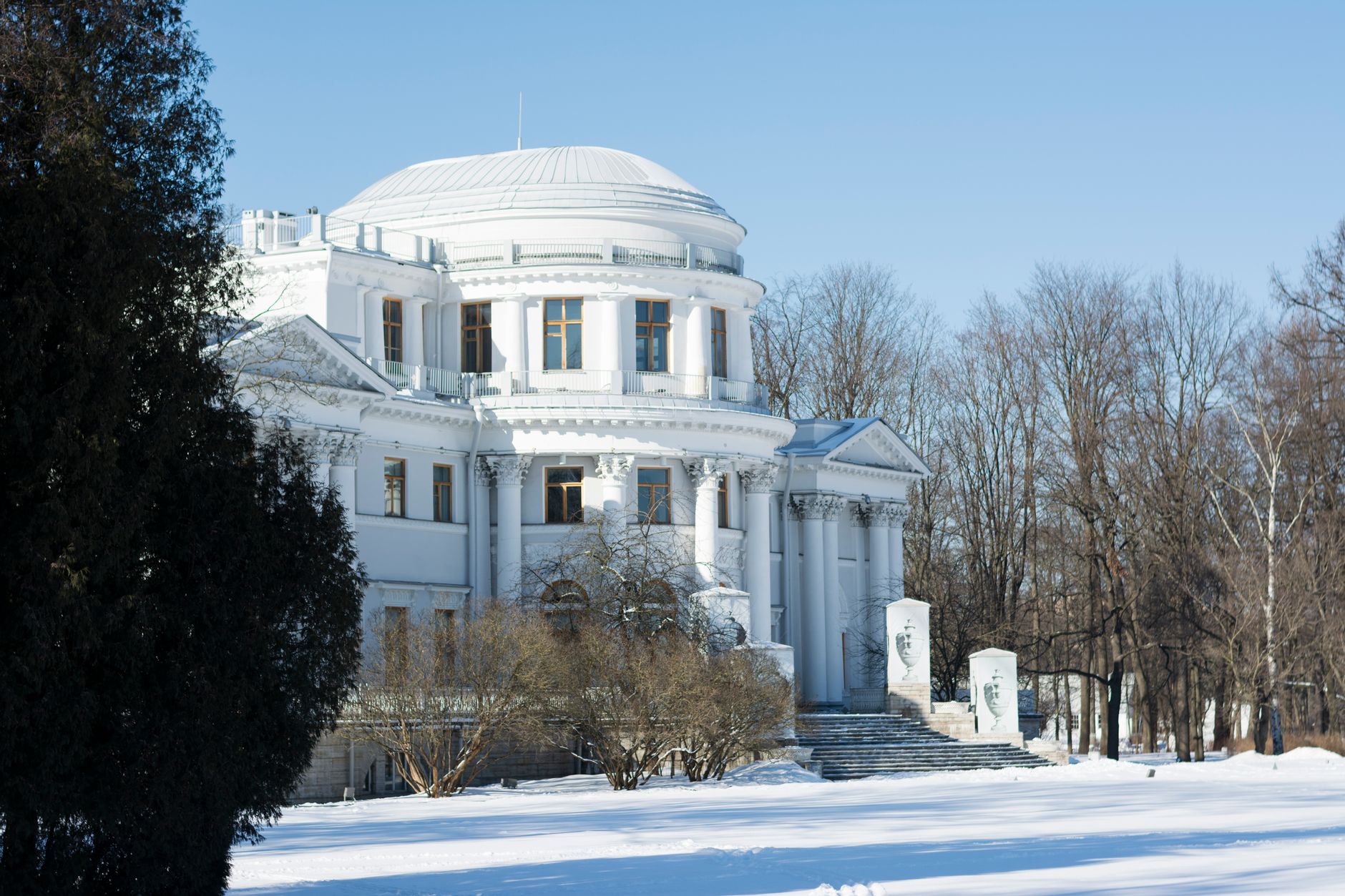
The Russian imperial family mystery has captivated historians for decades. Recent DNA analysis has shed light on the fates of the executed members of this royal family, revealing significant connections to the British royal family.
The Historical Context of the Russian Imperial Family
The Russian imperial family, once a symbol of opulence and power, faced a tragic end during the Bolshevik Revolution in 1918. The execution of Tsar Nicholas II and his family marked a pivotal moment in history, leaving behind a complex legacy filled with intrigue and unanswered questions. The subsequent mystery surrounding their fate captivated historians and the public alike for decades.
Following the revolution, the remains of the Romanov family were believed to have been disposed of, sparking numerous theories about their survival. Rumors circulated about potential escapes, and claims emerged of impostors claiming to be the lost heirs of the Russian imperial family. The mystery deepened when, in the 1990s, remains were discovered near Ekaterinburg, leading to renewed interest and investigation.
In recent years, advancements in DNA technology have provided crucial insights into this historical enigma. By comparing DNA from the remains with living descendants of the Romanovs, researchers have made significant strides in uncovering the truth behind the Russian imperial family mystery.
How DNA Testing Changed the Narrative
The advent of DNA testing has significantly altered our understanding of the Russian imperial family mystery. For decades, the fates of Tsar Nicholas II and his family remained shrouded in uncertainty following their execution in 1918. Initial investigations yielded limited results, leaving many questions unanswered. However, advancements in genetic analysis have opened new avenues for exploration.
In recent years, DNA samples from the remains discovered in Ekaterinburg provided vital clues. Scientists matched these samples with living relatives, notably members of the British royal family, which established a clear connection to the lineage of the Romanovs. This breakthrough not only confirmed the identities of the remains but also helped to clarify the historical narrative surrounding the tragic events of that era.
Moreover, the use of DNA testing has enabled researchers to examine the genetic health of the family, revealing potential hereditary issues that plagued the Romanovs. As a result, the Russian imperial family mystery is gradually being unraveled, providing closure to a story that has captivated historians and enthusiasts alike.
Connections to the British Royal Family
The mystery surrounding the Russian imperial family has captivated historians and enthusiasts alike, particularly regarding their connections to the British royal family. These ties have been pivotal in unraveling the fate of the Romanovs, who were executed in 1918.
Historically, the Russian and British royal families have shared a complex relationship, underscored by numerous marriages and alliances. This connection became increasingly significant when DNA testing was employed to identify the remains of the Romanovs found in Ekaterinburg in the 1990s.
- Genetic Links: The DNA of the Romanovs matched that of living relatives in Britain, confirming their lineage.
- Historical Alliances: Queen Victoria, a common ancestor, linked the two families through her numerous children, who married into various European royal houses.
- Closure for Descendants: The findings have provided closure for descendants of the Romanovs, reinforcing their historical connections and affirming their legacy.
Ultimately, the Russian imperial family mystery intertwines with British history, illuminating the paths of both royal lineages.
The Fate of the Romanovs
The fate of the Romanovs has long been shrouded in mystery, leading to numerous theories about the last Russian imperial family. After the Bolshevik revolution, the execution of Tsar Nicholas II and his family in 1918 left many questions unanswered. For decades, rumors persisted that some members had survived, fueling speculation and intrigue.
Recent advancements in DNA testing have shed light on this enduring mystery. In the early 1990s, researchers exhumed the remains of the Romanovs, which had been buried in a mass grave. DNA analysis confirmed the identities of the remains, decisively linking them to the imperial family. This breakthrough not only clarified what happened to the Romanovs but also reinforced their connections to other royal families, particularly the British royal family.
The revelation that the last Russian imperial family had been definitively identified through DNA testing has allowed historians and genealogists to piece together the tragic events surrounding their deaths and has helped close the chapter on a mystery that had lingered for over seventy years.
Public Reaction to the Findings
The recent revelations surrounding the Russian imperial family mystery have sparked a significant public reaction, igniting conversations across social media and news outlets. Many individuals express a mix of fascination and sorrow as they reflect on the tragic fate of the Romanovs.
Supporters of the findings hail the advancements in DNA testing as a crucial breakthrough in uncovering historical truths. As one historian noted, “These discoveries not only shed light on the past but also bring a sense of closure to the descendants of the Romanovs.”
Conversely, some critics question the implications of these findings. They argue that while DNA evidence is compelling, it does not fully encapsulate the emotional and cultural significance of the imperial family. A member of a cultural heritage organization stated, “Understanding the history of the Romanovs requires more than just scientific analysis; it demands a deep appreciation of their impact on Russian identity.”
This ongoing dialogue highlights the broader interest in the Russian imperial family mystery, as people seek to reconcile the past with the present.
Implications for Historical Research
The recent revelations surrounding the Russian imperial family mystery have significant implications for historical research. The advancements in DNA testing not only provide clarity on the fate of the Romanovs but also open new avenues for understanding the complex relationships between royal families in Europe.
As historians delve deeper into genetic analysis, several key areas are likely to benefit:
- Validation of Historical Accounts: DNA evidence can corroborate or challenge existing narratives about the Romanovs and their connections to other royal houses.
- Broader Genetic Studies: The findings may lead to further examination of royal lineages, revealing previously unknown connections or diverging branches of family trees.
- Public Engagement: As interest in the Russian imperial family mystery grows, public fascination with royal history could lead to increased funding and support for historical research initiatives.
- Ethical Considerations: The use of DNA in historical contexts raises questions about privacy and the ethical implications of revealing genealogical information.
Ultimately, these developments underscore the potential of modern science to reshape our understanding of history.
Expert Opinions on the DNA Results
Experts in genetics and history have weighed in on the recent revelations regarding the Russian imperial family mystery. Dr. Anna Petrov, a leading geneticist, stated, “The DNA findings provide irrefutable evidence that the remains found in Ekaterinburg belong to the Romanovs.” This breakthrough has not only confirmed long-held suspicions but has also opened up new avenues for research into the family’s lineage.
Historian Dr. Michael Ivanov added, “The implications of these results are profound. They challenge existing narratives and highlight the interconnectedness of royal families across Europe.” The connections to the British royal family, in particular, have intrigued researchers, as they reveal a complex web of alliances and shared bloodlines.
Moreover, Dr. Elena Sokolov emphasized the emotional impact of these findings, noting, “For descendants of the Romanovs, this brings closure to a painful chapter in their history.” As experts continue to analyze the DNA results, the Russian imperial family mystery remains a captivating subject for both historians and the public alike.
Future of Royal Family Mysteries
The ongoing investigation into the Russian imperial family mystery has opened up new avenues for understanding not only the past but also the future of royal family mysteries. As DNA testing becomes more advanced and accessible, it is likely that more historical figures will come under scrutiny. Historians and geneticists are now considering how similar methods could be applied to other royal families around the world.
Furthermore, the findings related to the Romanovs have sparked interest in unsolved cases of historical significance. The use of genetic analysis could reveal hidden connections among European monarchies, potentially reshaping our understanding of royal lineages and their intertwined destinies.
As researchers continue to explore this field, they must also navigate ethical considerations, especially concerning privacy and the potential ramifications of uncovering royal secrets. The future of royal family mysteries is bright, with the promise of further discoveries that could challenge long-held beliefs and change the narratives surrounding historical figures.
- Increased collaboration among historians and scientists.
- Potential for new discoveries about other royal families.
- Ethical considerations in genetic research.
The recent advancements in genetic testing have shed new light on the Russian imperial family mystery. As scientists analyze the DNA samples, they hope to unravel more secrets surrounding the tragic fate of the Romanovs in the early 20th century, adding depth to the Russian imperial family mystery.
Photo by Vitali Adutskevich on Pexels